
Ever found yourself staring blankly at a canvas, unsure of where to begin? We’ve all been there. Understanding the concept of outline in art can be a game changer, offering both structure and inspiration for any artistic try. Think of an outline as the backbone of your masterpiece, it’s where creativity meets groundwork, laying the foundations for what could become a stunning piece of art. So, grab your sketchbook and pencil as we jump into the intriguing realm of outlines.
Outline in Art Definition
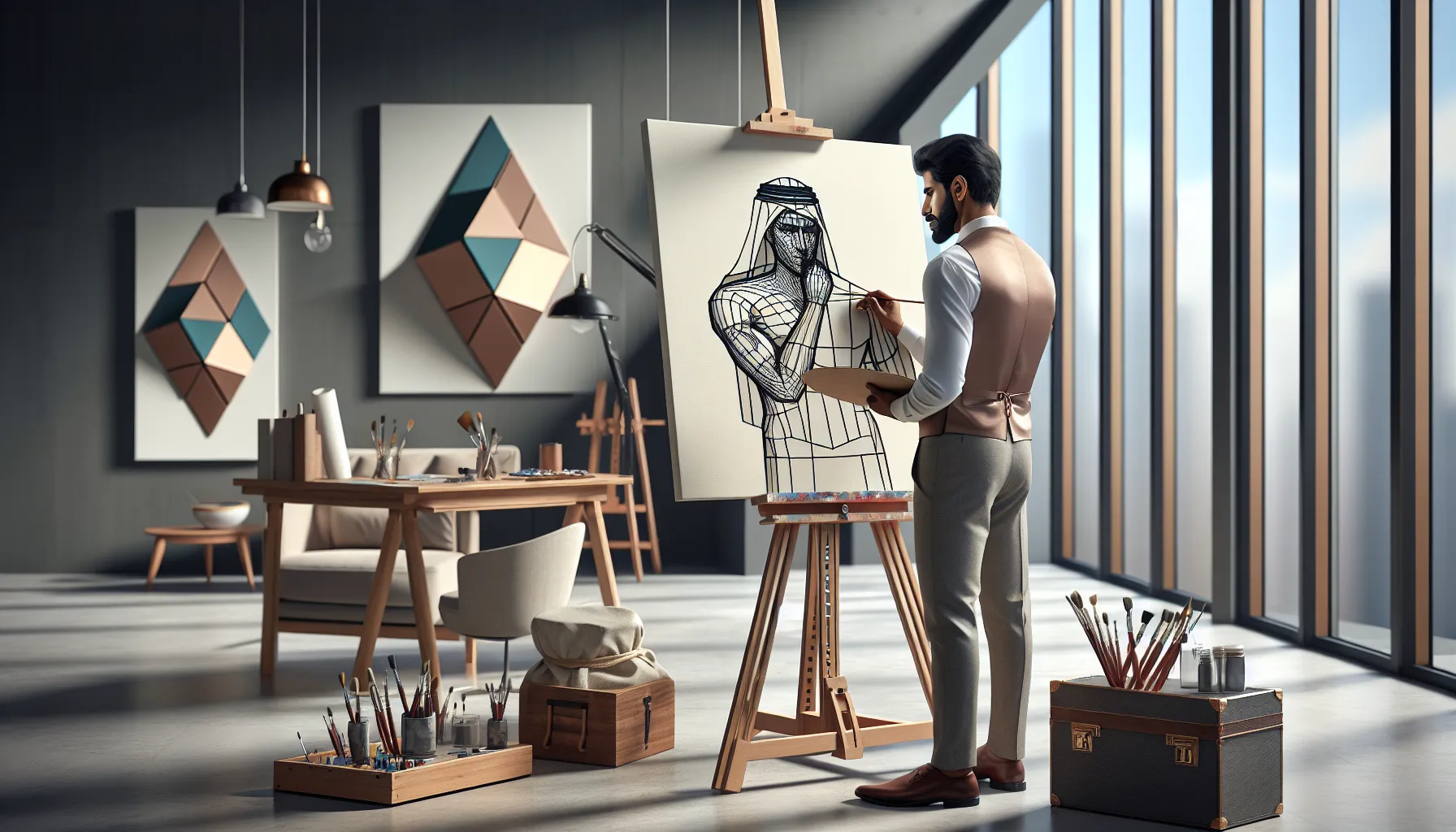
An outline in art serves as a simplified representation of objects, providing shape and definition without the distraction of detail. It’s like the contour lines on a map, helping us visualize boundaries and forms. We can think of outlines as a blueprint for our creations. They encapsulate the essence of subjects, distilling them into their most recognizable forms. By focusing on outlines, we clarify our ideas and direct our artistic energies more effectively.
In practice, outlines help us maintain proportionality and composition. When we start with an outline, we create an initial framework upon which we can build complexity later. Whether with a pencil, brush, or digital tool, outlines are often the first step in our artistic journey.
Historical Context of Outline Drawing
To truly appreciate outlines, we should step back and examine their historical roots. Ancient civilizations, from the Egyptians to the Greeks, utilized outlines in their artistic expressions. For instance, we can observe hieroglyphics where figures were often sketched in simple, outlined forms. This approach emphasized clarity, focused on storytelling without overwhelming viewers with excessive detail.
As time progressed, outline drawing evolved through various art movements. The Renaissance artists, like Leonardo da Vinci, employed outlines not only for sketches but also as integral parts of their painted works, enhancing the realism depicted in their subjects. Paintings with an outline style became synonymous with clarity and precision. In modern art, outlines have also played a significant role, influencing styles ranging from Cubism to Abstract Expressionism. It is clear that outlines have stood the test of time, adapting and thriving across generations.
Techniques for Creating Outlines
When it comes to outlining in various art forms, there isn’t a one-size-fits-all approach. Let’s break down the techniques we can use in different mediums:
The Role of Outline in Various Art Forms
Outlines serve diverse purposes across different artistic disciplines. In some forms, they act as the primary focus, while in others, they underpin more complex narratives. Understanding how outlines function in each medium can significantly enhance our art.
Outline in Painting
In painting, outlines can help define shapes and guide viewers’ eyes. We can start with a light pencil sketch and then layer colors while keeping our original shapes intact. Alternatively, some painters prefer to use bold, visible outlines to create a defined style, as seen in Pop Art.
Outline in Sculpture
In sculpture, outlines take on a three-dimensional aspect. Here, we can think of outlines as the contours of our forms, guiding the internal structure. For example, when crafting a bust, we start with an outline to establish proportions before moving on to adding texture and detail.
Outline in Graphic Design
Graphic designers frequently use outlines as layers and borders. By understanding the significance of outlines, we can create harmonious compositions, ensuring every element works together smoothly. In digital design, outlines can also define clickable areas or help us emphasize elements by contrasting them against negative space.