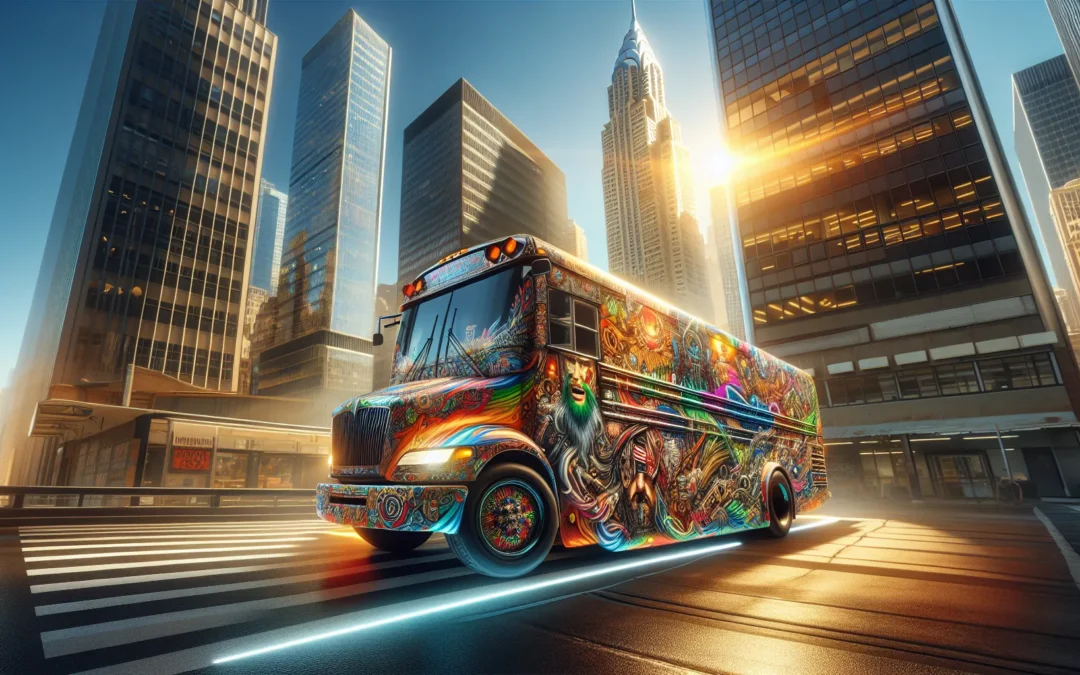
Let’s face it: we don’t just commute in our vehicles: we express ourselves through them. Vehicle art is more than just graffiti on bumpers or slick decals. It’s a vibrant tapestry of creativity that transforms ordinary cars into rolling masterpieces. Have you ever seen a bus adorned with a colorful mural or a motorcycle that looks like it just rolled out of a fantasy movie? That’s vehicle art, a delightful mix of aesthetics and culture, inviting us to look closer and appreciate the artistry surrounding us. Buckle up as we investigate into the lively world of vehicle art.
Vehicle Art Definition

At its core, vehicle art represents a unique blend of creativity, culture, and personal expression. We see this art form manifesting as simple paint jobs, intricate murals, or even the application of vinyl wraps. Each vehicle becomes a canvas, where the owner’s personality shines through. Think of vehicle art as an informal gallery on wheels, constantly moving from one location to another. It tells stories, celebrates culture, and sometimes, it even makes a statement. From taxi cabs featuring cityscapes to custom painted motorcycles showcasing mythical creatures, every piece invites us to engage with the artist’s vision.
What sets vehicle art apart is its accessibility: you don’t need to visit a museum to admire it. Instead, you can encounter it in everyday life, turning a mundane trip into a visual feast. With this vibrant background, we start to appreciate why vehicle art has captured our imaginations and become part of urban culture.
Historical Context of Vehicle Art
Vehicle art has roots that trace back to ancient civilizations, where ceremonial vehicles were often adorned with intricate designs. We can look to the Egyptians, whose chariots bore elaborate paintings and carvings, showcasing their craftsmanship and beliefs. Fast forward to the 20th century, and we see a significant rise in automobile personalization. As cars became more common, so did the desire to differentiate them.
The 1960s and 70s saw the explosion of the custom car culture, igniting a revolution in vehicle art. During this era, artists began to experiment with bright colors and bold designs, creating a movement that would influence car enthusiasts for decades. As we moved into the age of motorcycles and scooters, these forms of transport also embraced artistic expression. So, what started as a mere embellishment evolved into a full-fledged art movement, shaping not only the vehicles we drive but also the culture surrounding them.
Types of Vehicle Art
When we explore vehicle art, we encounter various types that cater to different tastes and styles. Let’s break it down:
- Custom Paint Jobs: These are often the most striking, with professional artists creating one-of-a-kind designs that can range from subtle to wildly extravagant.
- Vinyl Wraps: This modern method allows for striking graphics and colors to cover a vehicle without permanent alterations. It’s a popular choice for businesses looking to make a splash.
- Graffiti and Street Art: Often seen on city buses or delivery trucks, these vibrant designs bring life to urban settings and challenge conventional notions of beauty.
- Mural Art: Some vehicle owners commission murals that tell a story or depict a significant theme, turning their cars into impressive walking galleries.
- Functional Art: This type includes artistic touches that also serve a purpose, like headlights shaped like mythical creatures or tailpipes that resemble art sculptures.
Each type offers something unique, appealing to car lovers, artists, and everyday drivers alike. What’s apparent is how each person or artist adds their flair to the ever-evolving landscape of vehicle art.
Cultural Significance of Vehicle Art
Vehicle art not only enhances our aesthetic experience but also serves as a reflection of cultural identity. As we drive through different neighborhoods, we notice variations in art styles influenced by local culture and community issues. In many regions, vehicle art acts as a form of social commentary, with artists using their work to highlight social issues or celebrate communal pride.
For instance, in areas with strong cultural histories, vehicle designs may incorporate symbols or colors significant to local heritage. This sense of belonging resonates deeply with both artists and viewers. By transforming everyday vehicles into art, we’re fostering a shared experience that connects individuals across backgrounds.
Also, vehicle art often defies traditional art norms, breaking barriers and inviting everyone into the conversation, encouraging artistic exploration beyond conventional spaces. We find ourselves inspired to appreciate beauty from a wider lens.
Modern Manifestations of Vehicle Art
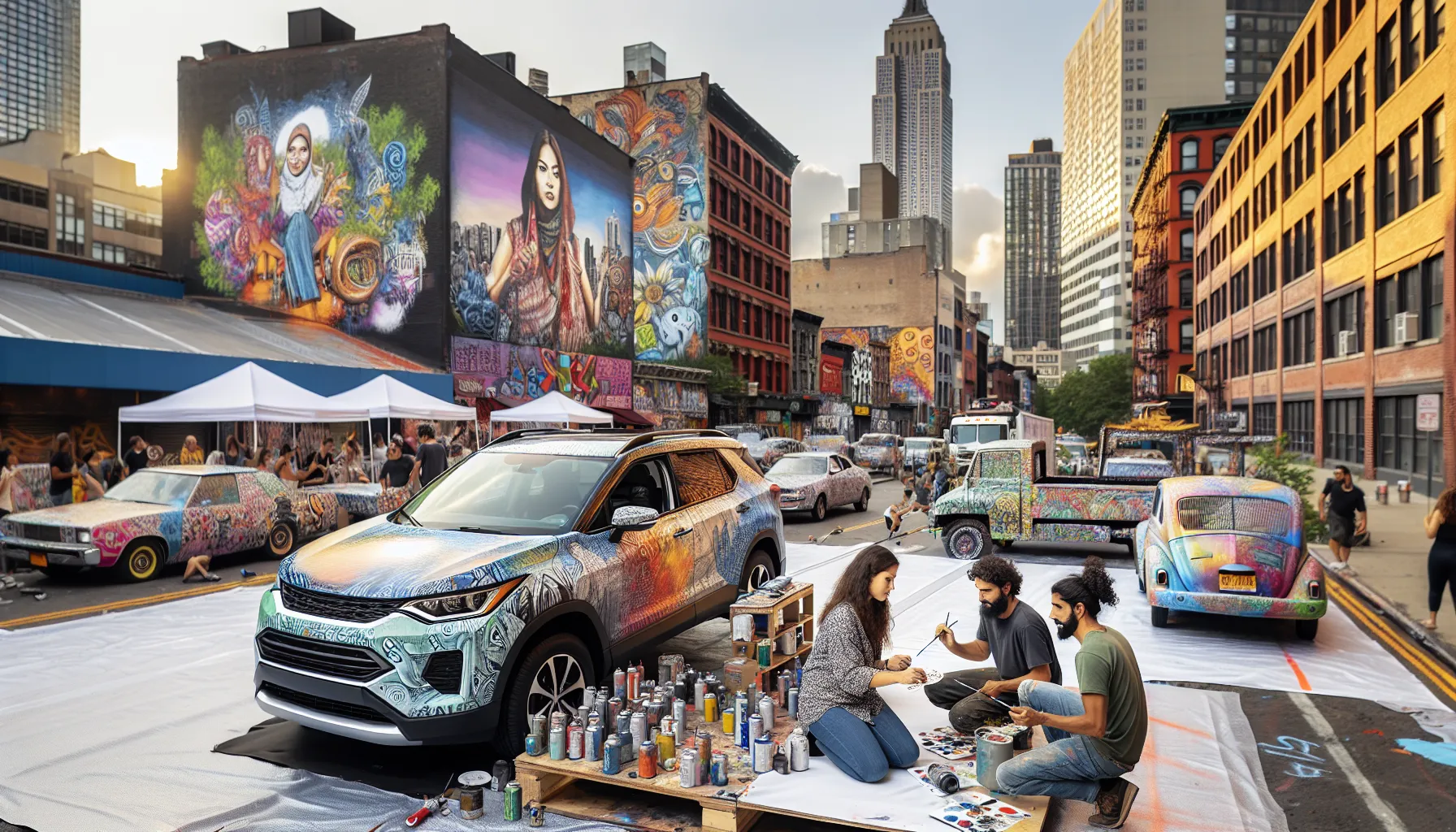
In today’s world, vehicle art has evolved thanks to technology and social media. Artists now share their works online, reaching global audiences. We observe a renaissance in urban spaces where street art merges with vehicle art, creating dynamic environments where every vehicle tells a story. Events like the annual “Art Car Parade” have become iconic, showcasing vehicles transformed into moving art installations.
Also, companies recognize the marketing power of vehicle art. With more businesses adopting delivery vehicles wrapped in eye-catching designs, it’s clear that vehicle art is not only about individual expression but also savvy advertising.
Besides, art in automotive design is becoming mainstream, as we see auto manufacturers collaborating with artists to create special edition models, making it easier for us to own a piece of art on wheels.