
Have you ever seen artwork that captures your imagination with just a few simple lines? That’s the magic of outline art. From ancient monuments to contemporary illustrations, we can’t help but be intrigued by how mere outlines can tell powerful stories. Join us as we jump into the captivating world of outline art, unraveling its definition, history, characteristics, and practical tips for creating our own masterpieces. So grab a pencil, and let’s sketch out the essentials.
What Is Outline Art?
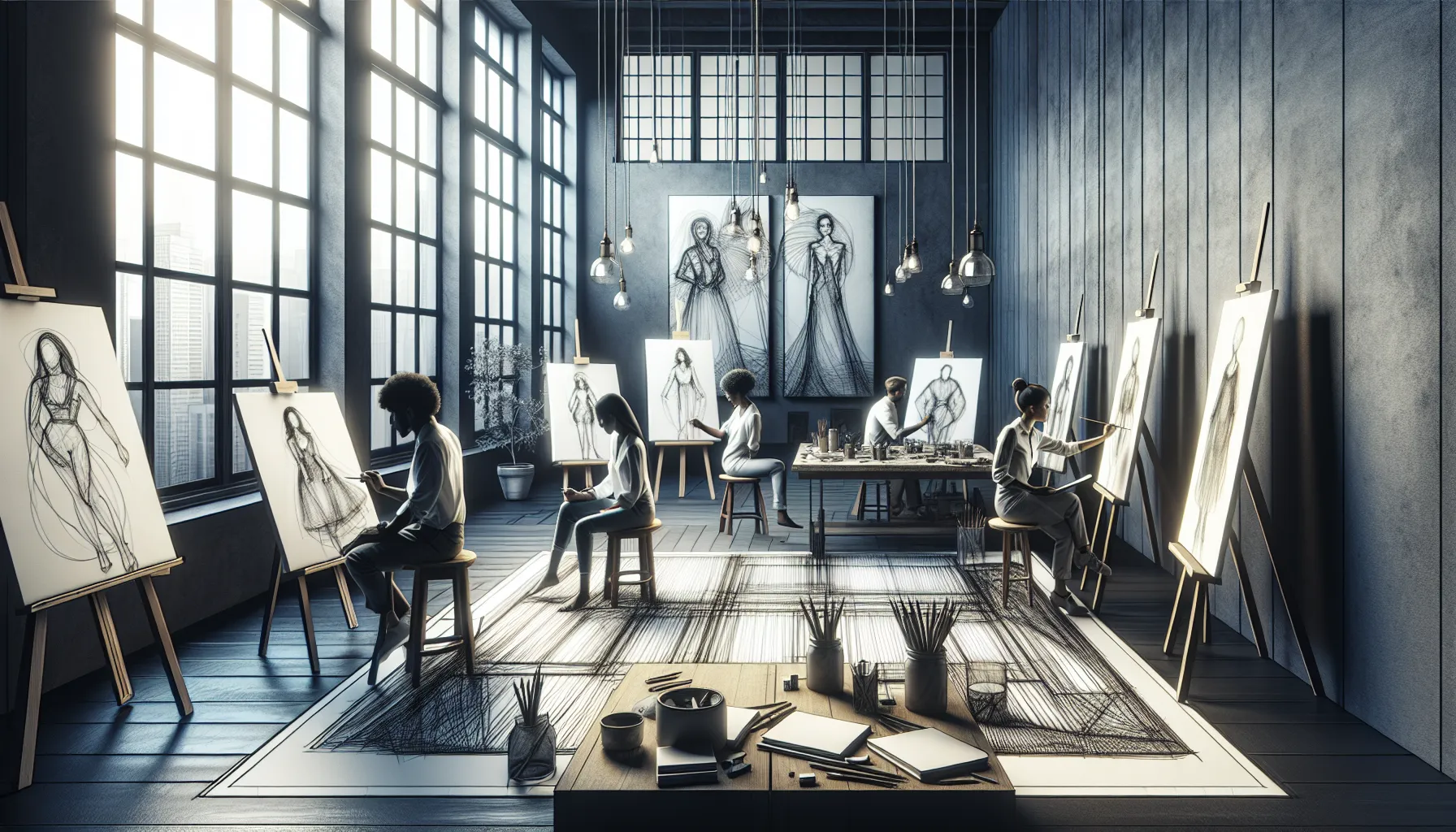
Outline art primarily revolves around the use of lines to create forms and shapes, often without the distractions of color or shading. It’s like the artist is inviting us into their creative world, relying solely on contours to convey emotion and meaning. In essence, outline art serves as the skeleton of more complex artworks, emphasizing structure over substance. This simplicity allows viewers to interpret the art uniquely, sparking conversations about what lies beneath the surface. We can appreciate both its elegance and its ability to evoke creativity.
Historical Context of Outline Art
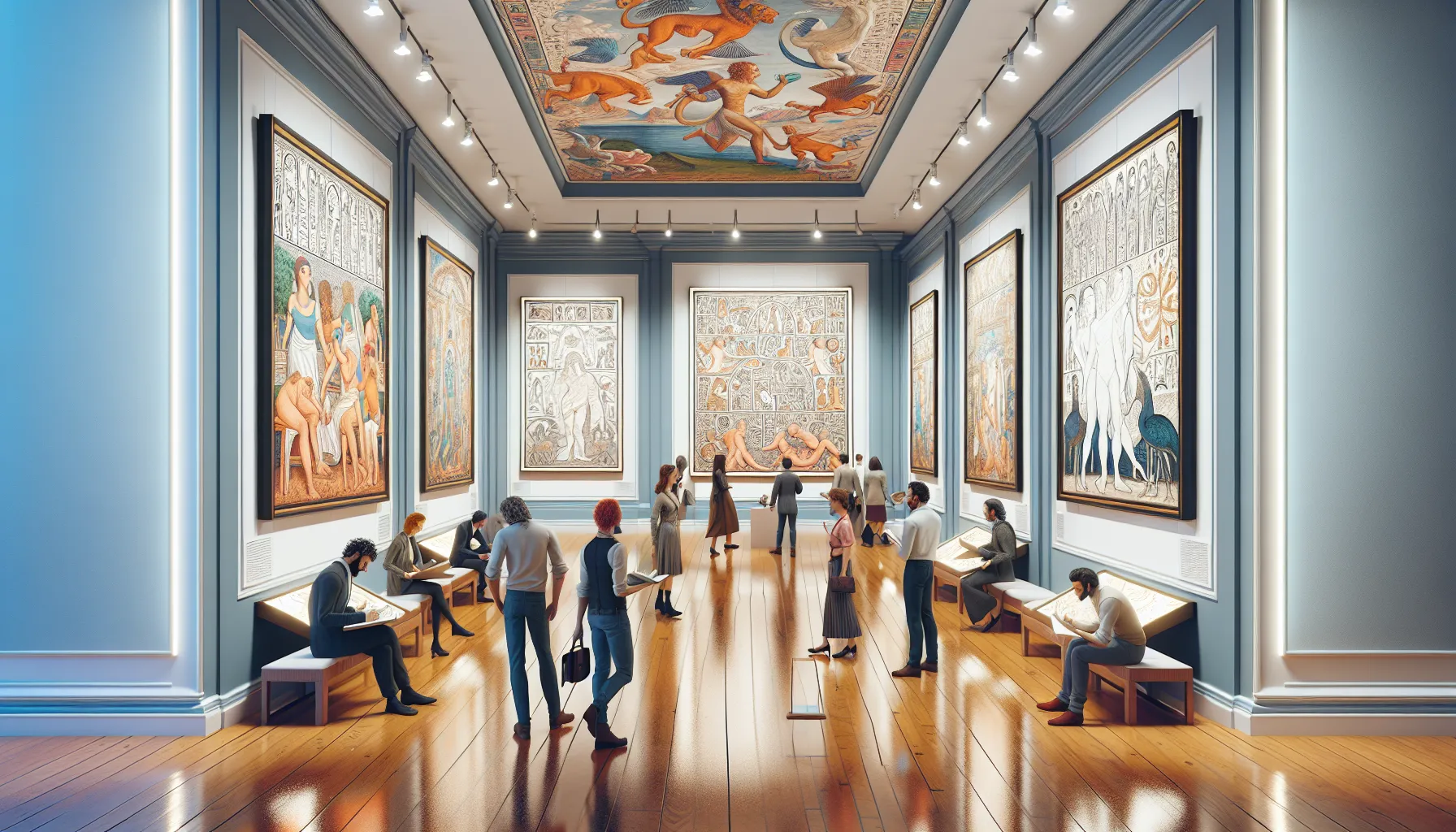
The roots of outline art can be traced back to ancient civilizations. For instance, in Egypt, hieroglyphs and frescoes often utilized stark outlines to define figures against vibrant backgrounds. Fast forward to the Renaissance, where artists began to refine this approach in their sketches, breathing life into countless masterpieces. We can look at the likes of Leonardo da Vinci, who used outlines in his anatomical studies, highlighting the importance of structure in the human form. This legacy carried into modern art movements, such as minimalism, which embraced the purity of outline art as a means to express deeper concepts. The evolution of outline art is indeed a fascinating journey.
Characteristics of Outline Art

Outline art isn’t just lines on a page: it possesses distinct characteristics that set it apart. Simple yet profound, its defining trait is the clarity of form achieved through the use of line alone. Artists typically employ varying line thickness to convey depth and intrigue, combining sharp edges with fluid curves to create captivating visuals.
Different Styles of Outline Art
When we think of styles, we can see this form manifest in several ways. Some prefer a sleek, modern aesthetic with clean lines, while others might gravitate towards a rough, sketch-like quality. The beauty of outline art lies in its versatility. Whether it’s whimsical doodles or complex illustrations, we see how outline art speaks volumes, even with minimalistic representation.
Outline Art Definition
As we explore outline art, it’s essential to recognize how it transcends mediums. From pencil and ink to digital applications, artists can adapt outline art to fit various formats. In traditional settings, we might use fine liners or watercolors to complement the outlines, allowing for a dynamic interplay of color. Meanwhile, digital artists leverage software like Adobe Illustrator to manipulate lines with precision, creating stunning visuals that pop off the screen.
Across all mediums, outline art retains its core principles, allowing us to appreciate its beauty in different contexts. Whether we’re sketching on paper or designing on a tablet, the essence of outline art remains timeless.
Techniques and Tips for Creating Outline Art
Creating breathtaking outline art requires a blend of technique and creativity. Here are some practical tips to help us get started:
- Start with Basic Shapes: Before diving into intricate designs, we should map out our artwork with basic shapes. This approach lays the foundation for more complex outlines.
- Experiment with Line Thickness: Using different line weights can add depth to our work. Thicker lines can emphasize primary shapes, while thinner lines can introduce subtler details.
- Incorporate Negative Space: Often, the absence of a line can be just as powerful as the presence of one. We should consider how negative space interacts with our outlines to create balance.
- Practice Regularly: Like any skill, outline art improves with consistent practice. We can challenge ourselves by recreating outlines from famous artworks or even our own photos.
- Embrace Mistakes: Finally, we must remember that mistakes can lead to happy accidents. Sometimes the best parts of our artwork arise from unplanned moments.