
Have you ever stared at a blank canvas and felt the pressure to create something extraordinary? We’ve all been there. Just imagine diving into the world of art without a map, chaotic, right? This is where outlines come to the rescue. They’re not just for school projects or your favorite superhero’s battle plan: outlines define the space within which creativity unfolds, providing structure while still allowing for expression. So, grab your sketchbook and let’s explore the essential role of outlines in art.
Understanding Outline In Art
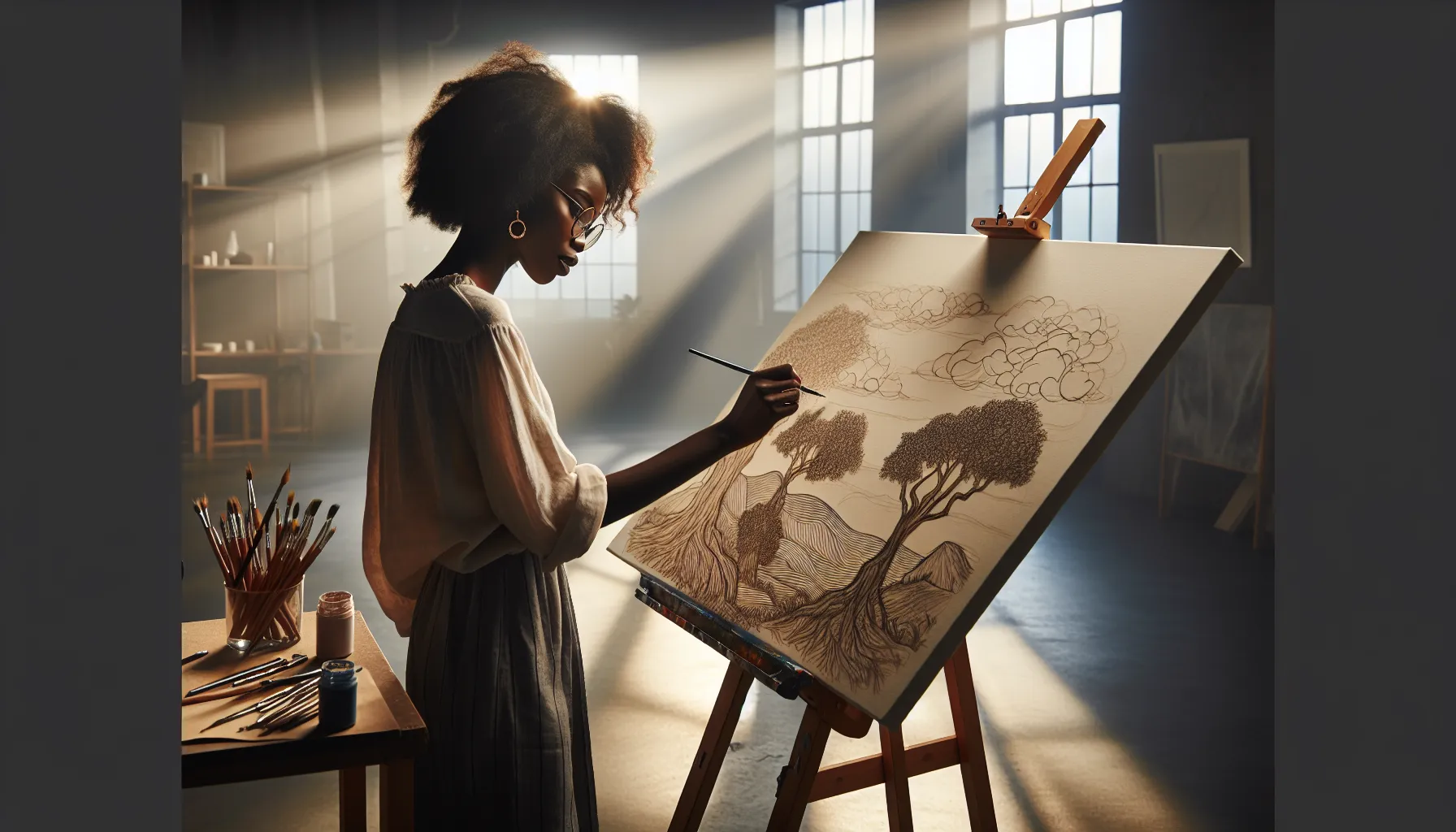
When we talk about an outline in art, we’re referring to the fundamental shape or form of an object, drawing a boundary that helps define it. Outlines serve as the skeleton upon which artists add flesh, color, and texture. Think of it as the first step, setting the stage before the story unfolds.
From simple shapes to complex forms, outlines can vary in thickness and style, depending on the desired effect. They guide our eyes and help communicate the essence of the artwork. So, when we sketch an outline of a beautiful scenery or an intricate figure, we’re not just drawing lines: we’re outlining our vision.
Outlines can also serve as a tool for clarity. By emphasizing shapes and proportions, we create a clearer representation of our subject. In essence, the outline shines a spotlight on the elements that matter most.
The Importance Of Outlines In Artistic Expression

Outlines are like the unsung heroes of the art world. While they might seem basic, their importance is profound. For starters, they establish proportions and relationships between objects within a composition. This foundational step ensures that everything fits harmoniously and conveys the intended message.
Also, outlines offer a roadmap for our creativity. They help us organize our thoughts and ideas before we dive deeper into details. When we outline, we’re essentially drafting the storyboard for our artistic journey, which can be particularly helpful in more complex works.
In a way, outlines free us to explore. By removing some of the pressure to get everything perfect right away, we encourage experimentation and spontaneity. With a clear outline, we can focus on refining our style and adding those little nuances that make our work uniquely ours.
Types Of Outlines Used In Art

Outlines come in various forms, each serving a different purpose in our artistic endeavors.
- Contour Outlines: These are perhaps the most recognized. Contour outlines capture the outer edges of a subject and can vary in thickness, enhancing visual interest. It’s similar to tracing the silhouette of an object, emphasizing its shape.
- Gesture Outlines: A more dynamic approach, gesture outlines capture the essence of movement and position. It’s all about speed and fluidity, giving life to the figure before any details are added.
- Structural Outlines: These focus on depicting the underlying forms within a subject. By breaking down complex objects into manageable shapes, we create a clearer path for detailing later.
- Abstract Outlines: Sometimes, art doesn’t have to adhere to specific forms. Abstract outlines explore shapes, lines, and forms purely for their visual impact, paving the way for unique artistic expression.
Each type of outline serves its unique reason, guiding us as we navigate the world of art.
Outline Definition in Art
Creating a remarkable outline isn’t just about picking up a pencil and drawing. We can use several techniques to make our outlines more impactful:
- Start Light: Use a light hand when initially sketching outlines. This allows for adjustments without destroying the underlying work.
- Vary Line Thickness: Changing the thickness of lines can provide depth and interest. Thinner lines can denote delicate features, while thicker lines might emphasize stronger elements.
- Incorporate Shapes: Breaking down complex subjects into simple geometric shapes can make outlining more manageable. It’s like assembling a puzzle.
- Focus on Movement: Don’t just outline static shapes. Capturing the essence of movement can bring life to our work. Observe how lines change in action, and incorporate that into your outlines.
Examples Of Outline-Driven Artworks
Throughout art history, many renowned artists have employed outlines to create stunning masterpieces.
- Pablo Picasso: His early works and experiments with line demonstrate the power of outline in modern art. From simple sketches to complex compositions, his outlines often convey intricate emotional depth.
- Henri Matisse: Known for his expressive use of color and form, Matisse’s outlines define shapes in bold, confident strokes, giving his work a distinctive flair.
- Keith Haring: His graffiti-inspired style heavily relies on outlines. Haring’s work demonstrates how outlines can create powerful imagery and convey social messages effectively.