
When we think of art, we often picture colorful canvases or intricate sculptures. But what about the humble outline drawing? It’s like the warm-up routine before the big game, the foundation upon which masterpieces are built. In this guide, we’re going to navigate the intriguing realm of outline drawing, unveiling its secrets and significance in the artistic realm. Buckle up, because we’re about to draw some boundaries, and we promise, it’ll be a fun ride.
what is outline drawing
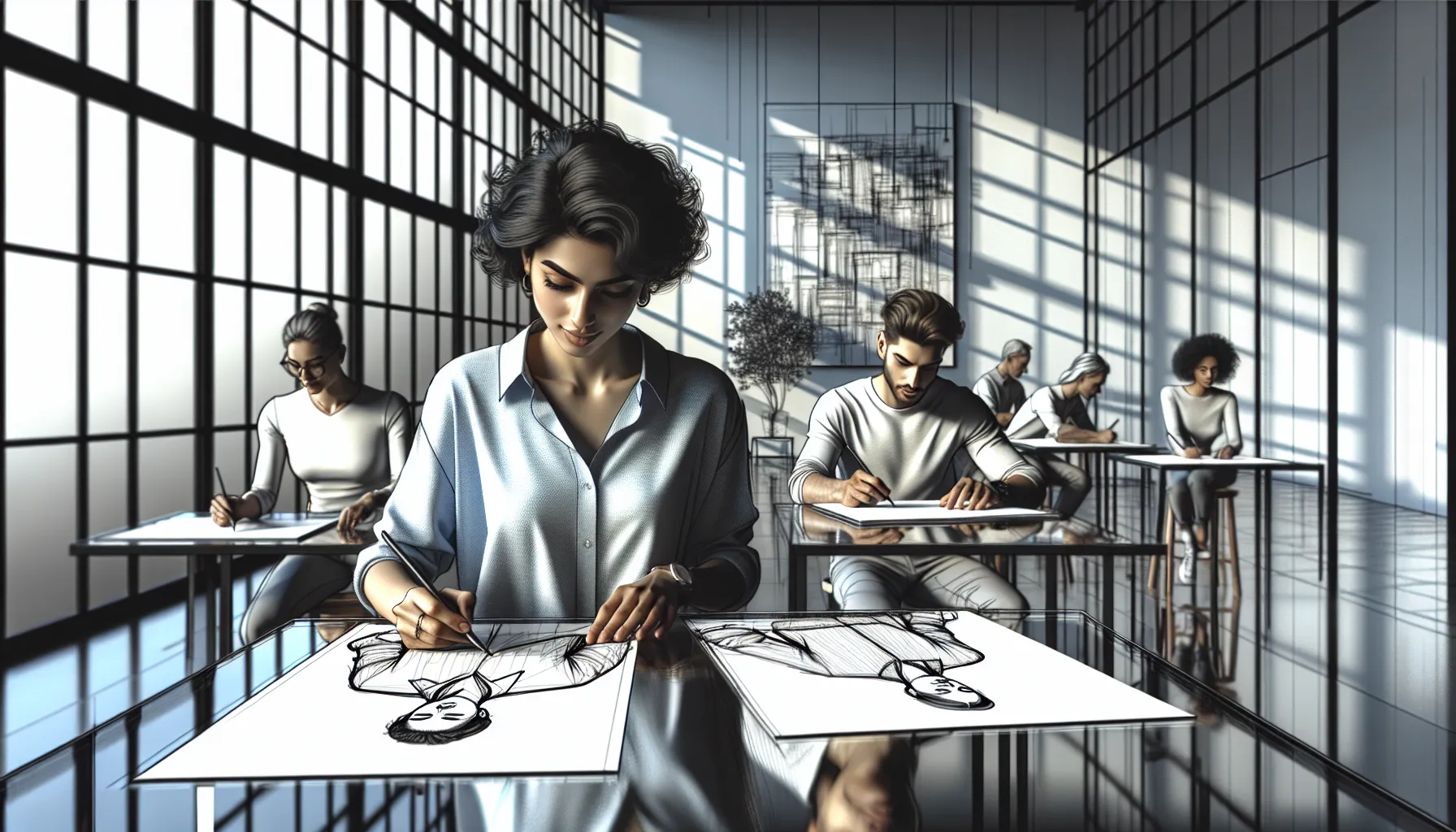
Outline drawing serves as the skeletal framework of an artwork. By definition, it involves creating lines that define shapes without intricate details or shading. Think of it as the first sketch on a blank canvas, simple yet essential. At its core, outline drawing helps us artists visualize our ideas and positions before diving into the details. We bring form and structure to our concepts, ensuring that even the most complex visuals start with an easy-to-understand guide.
This technique is not just for beginners: it’s also a powerful tool for seasoned artists. By practicing outline drawing, we sharpen our observation skills, enabling us to see shapes and lines more clearly. The journey of an artwork often begins here, leading the path to our final destination.
History and Evolution of Outline Drawing
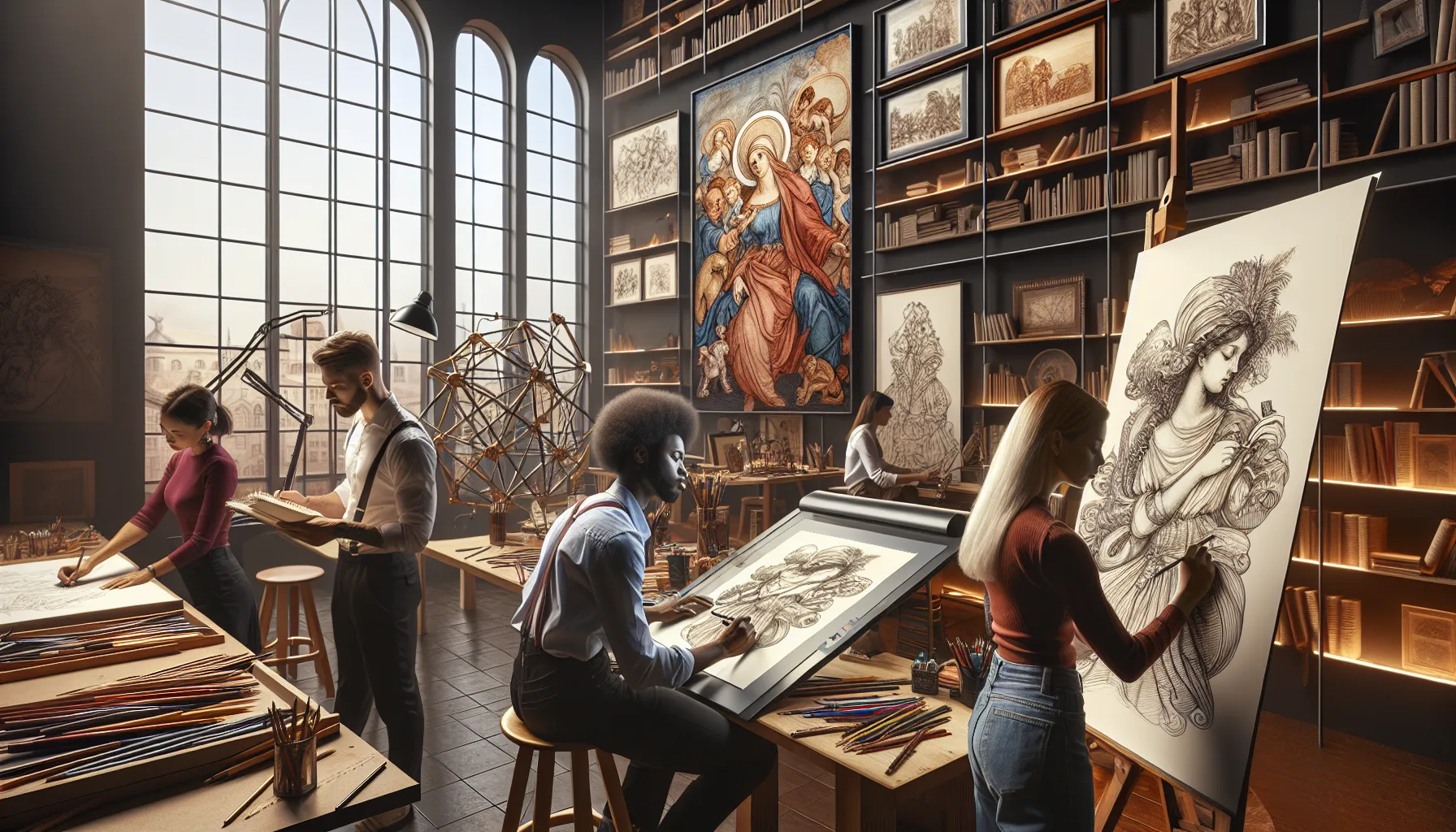
The rich history of outline drawing stretches back thousands of years. Ancient civilizations like the Egyptians used outlines in hieroglyphics to convey messages through simple but effective imagery. Fast forward to the Renaissance, a period teeming with artistic innovation where outline drawing flourished. Artists such as Leonardo da Vinci employed outlines to establish proportion and perspective in their renowned works.
Through the ages, this technique has evolved dramatically. The rise of impressionism and cubism saw artists like Georges Braque and Pablo Picasso pushing the boundaries of outline drawing. They transformed it into a dynamic part of their stylistic expression. Today, outline drawing remains relevant in various forms, from traditional pencil sketches to modern digital art, all while maintaining its fundamental essence.
Techniques Used in Outline Drawing
In outline drawing, several techniques can enhance our craft, making it an enjoyable experience. One method we often observe is contour drawing, where we focus on the edges of objects, capturing their outlines in one continuous line. This technique encourages us to eliminate distractions, enhancing our connection with the subject.
Applications of Outline Drawing
Outline drawing finds its way into multiple practices, from character design in animation to architectural blueprints. Graphic designers often rely on outlines to craft logos or websites, creating clear and concise visuals that communicate effectively.
Outline Drawing in Different Art Forms
Whether we are sketching in the street or crafting storyboards for a film, outline drawing acts as the backbone of many artistic endeavors. It’s amazing how such a simple technique can bridge various artistic disciplines. Comic artists use outlines to develop characters and scenes, while illustrators rely on them for children’s books, ensuring clarity and engagement.
The adaptability of outline drawing makes it a cherished skill across artistic domains, allowing us to tailor our approach towards our vision.
Benefits of Outline Drawing for Artists
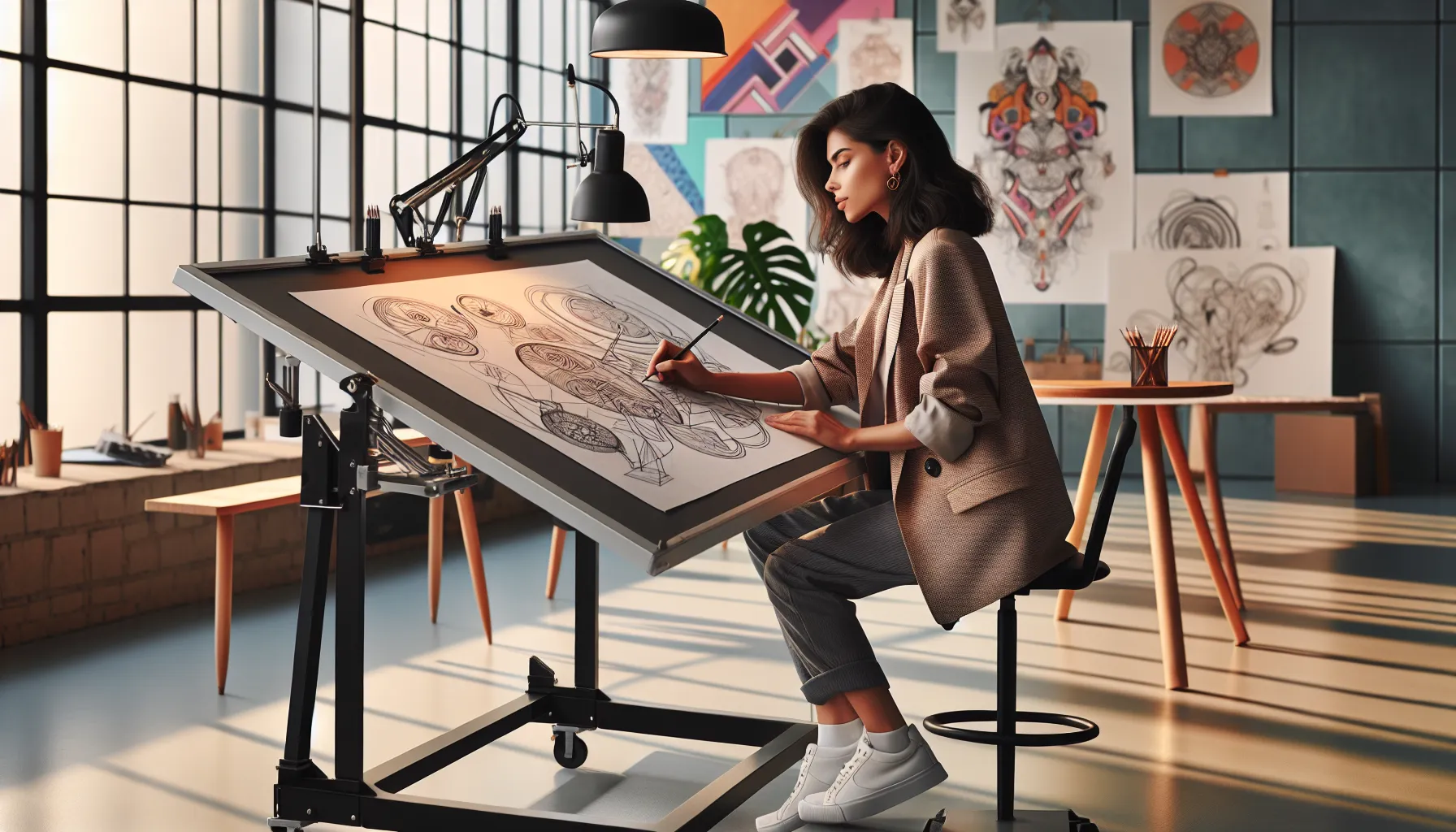
Outline drawing brings numerous benefits to our artistic journey. First and foremost, it enhances our ability to simplify complex forms into digestible components. By focusing on outlines, we learn to identify relationships and proportions that might otherwise elude our perception.
Besides, this technique serves as a safe sandbox for experimentation. We can sketch our wildest ideas without the fear of making irreversible mistakes. Outline drawing encourages us to explore creativity freely, paving the way for beautiful outcomes.
Finally, mastering outline drawing can improve our overall artistic skills, offering a solid foundation upon which we can build other techniques. As we refine our hand-eye coordination and understanding of form, we become more proficient in our expressive capabilities.