Gluten free travel food helps travelers avoid gluten while on the move. The guide shows planning, packing, snacks, meals, and safety tips. It gives clear steps and simple choices. Readers gain confidence to eat well when they travel.
Key Takeaways
- Plan ahead for gluten free travel food by mapping meals and snacks, testing one travel meal at home, and packing a checklist with containers, utensils, and allergy cards.
- Read labels carefully for wheat, barley, rye, malt, and cross-contact warnings and prioritize products with a clear “gluten-free” claim.
- Pack airtight containers, reusable silicone bags, ice packs, and shelf-stable proteins to keep food fresh and prevent cross-contamination on the go.
- Use apps, local research, and translated dietary cards when ordering out or shopping, and ask clear questions about shared fryers, utensils, and preparation methods.
- Carry an emergency kit with extra snacks, antacids, gluten test strips, and written allergy cards, and follow steps to hydrate, rest, and seek care after suspected gluten exposure.
Plan Ahead: Routes, Meals, And Label Reading
Create A Simple Meal Plan And Checklist
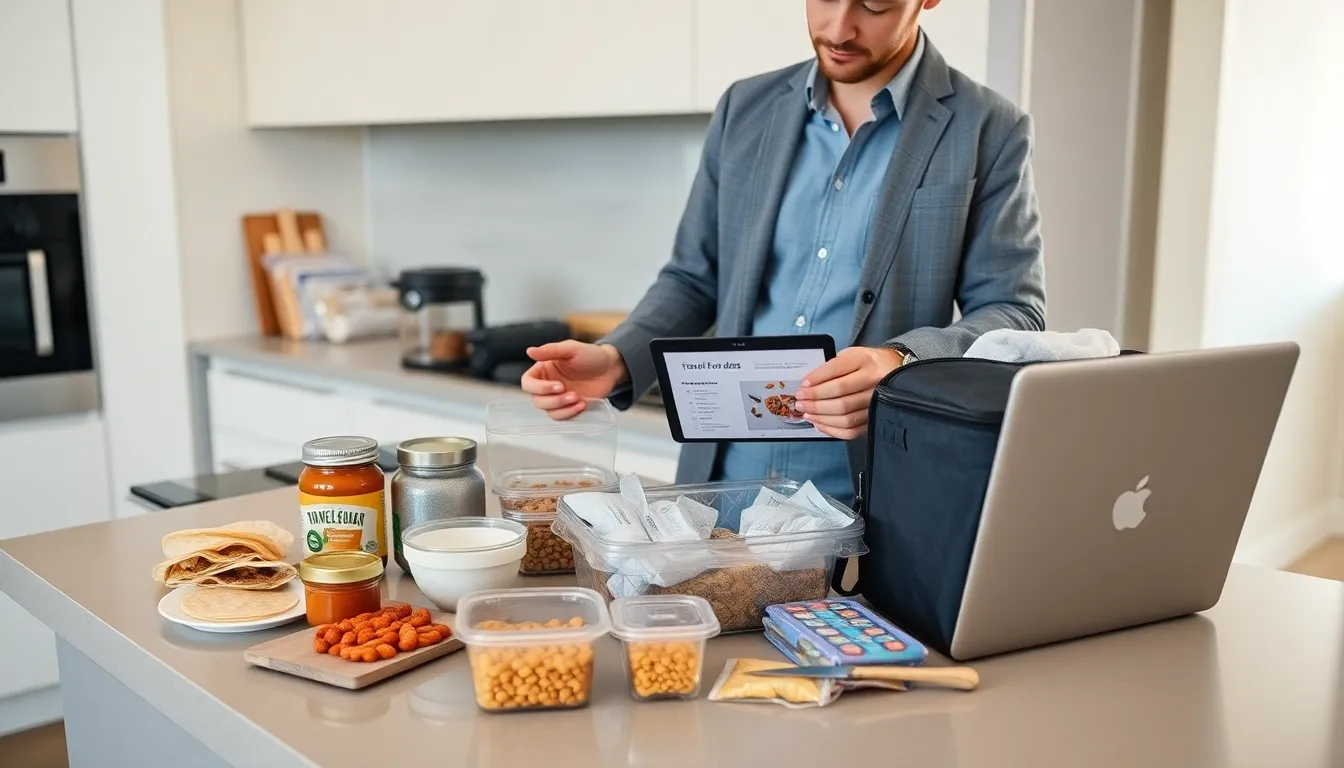
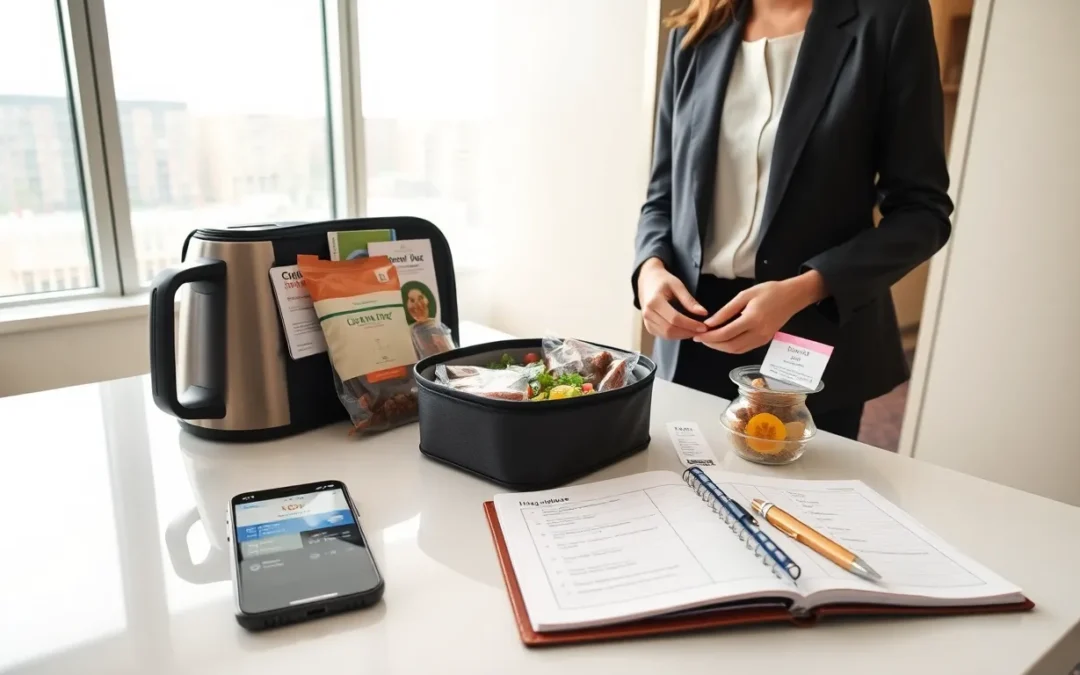
They choose a route and map food stops. They list three meals and two snacks per travel day. They pack a short checklist with key items: food, containers, utensils, allergy card, and hand wipes. They test one meal at home before a long trip. They set reminders to buy fresh items before departure.
How To Read Labels And Identify Hidden Gluten
They read ingredient lists for wheat, barley, rye, malt, and brewer’s yeast. They scan for statements like “contains wheat” or “may contain traces”. They prefer labels with a clear “gluten-free” claim. They watch for starches and hydrolyzed proteins that can hide gluten. They check cross-contact warnings on cooked or bulk items.
Use Apps, Local Research, And Dietary Cards
They use apps to find gluten-free options and to read labels quickly. They save local grocery and restaurant info offline. They carry a clear gluten-free dietary card that lists forbidden ingredients and safe requests. They show the card in local languages when needed. They join one online group for quick tips in each destination.
Pack Smart: Containers, Storage, And Safety
Best Containers And Packing Techniques
They choose airtight containers that fit carry-on rules. They pack reusable silicone bags for snacks. They use shallow containers for salads and stacked boxes for meals. They label containers with contents and dates. They pack a small insulated bag for perishable items.
Keeping Foods Fresh Without A Refrigerator
They use ice packs that meet travel rules. They buy cold items the day they eat them. They pick shelf-stable proteins and dried fruit for longer trips. They store food in shaded, cool places. They rotate food first-in, first-out to avoid waste.
Cross-Contamination Prevention While Traveling
They keep gluten-free foods separate from shared items. They use dedicated utensils and plates. They wipe surfaces before they eat. They ask hosts to seal gluten-containing items away. They avoid bulk bins and shared toasters.
Ready-To-Eat Gluten-Free Snacks For Every Trip
High-Protein And Shelf-Stable Options (Bars, Jerky, Nuts)
They pack protein bars that state gluten-free. They bring beef or turkey jerky labeled gluten-free. They include roasted nuts and mixed seeds. They add nut butter single-serve packs. They pick bars with simple ingredients and fewer additives.
Convenient Carbs And Crunch (Gluten-Free Crackers, Rice Cakes)
They pack gluten-free crackers for cheese and spreads. They bring rice cakes for a light crunch. They choose crispbread with clear gluten-free labeling. They keep small portions to avoid sogginess. They pair carbs with protein for steady energy.
Fresh Fruit, Vegetables, And Portable Dairy Alternatives
They bring apples, bananas, and grapes for easy snacks. They include carrot sticks, cherry tomatoes, and snap peas. They pack shelf-stable almond or oat milk boxes. They add single-serve yogurt or dairy-free yogurt cups. They wash fresh produce before packing.
Simple Portable Meals And DIY On-The-Go Recipes
No-Cook Lunches: Salads, Lettuce Wraps, Mason-Jar Meals
They layer salads in mason jars for neat transport. They pack dressing in small leak-proof containers. They build lettuce wraps with cooked chicken, avocado, and salsa. They use canned tuna in olive oil. They assemble wraps at stops to prevent soggy leaves.
Quick Hot Options: Instant Rice, Gluten-Free Noodles, Soups
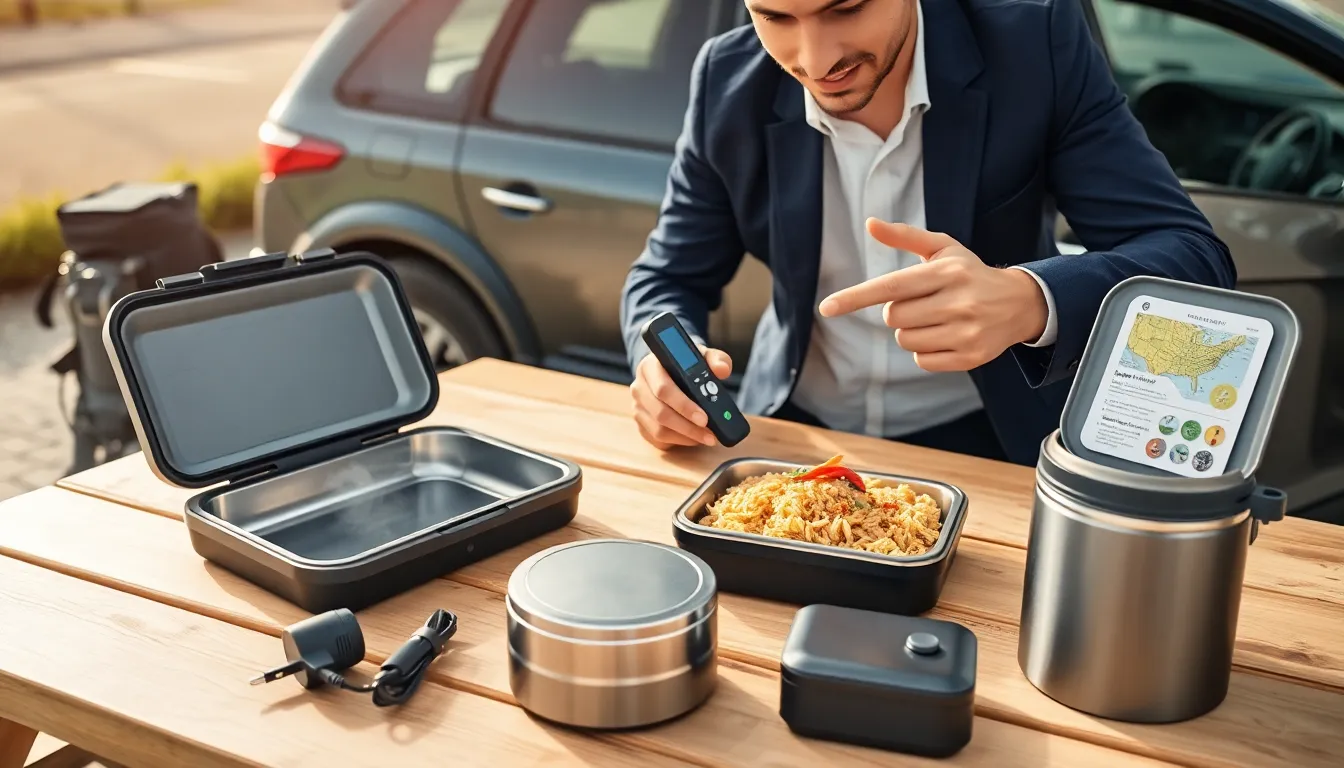
They carry instant rice cups that state gluten-free. They bring gluten-free noodle cups that only need hot water. They pack single-serve soup pouches labeled gluten-free. They use travel kettles where allowed to heat water. They test time and temperature at home first.
Breakfast Ideas For Travel: Overnight Oats, Chia Pudding, Egg Muffins
They make overnight oats in jars with certified gluten-free oats. They prepare chia pudding in single servings with fruit. They bake egg muffins with vegetables and cheese in a muffin tin. They store breakfasts in an insulated bag for morning use. They pick quick options for early departures.
Navigating Transit, Airports, And Eating Out Safely
What To Bring Through Security And Airline Tips
They bring solid food through security with no issue. They pack liquids like sauces in travel-size containers under rules. They inform gate staff about severe allergies if needed. They request gluten-free meals from the airline before check-in. They carry multiple snack options in case the airline cannot provide safe food.
Ordering Out: Phrases, Questions, And Red Flags
They ask if the kitchen has a gluten-free menu. They ask how the food is prepared and whether fryers are shared. They request separate utensils and clean surfaces. They watch for vague answers or hesitation. They leave if staff cannot answer clearly.
Using Local Grocery Stores, Markets, And Meal Kits
They shop local stores for fresh fruit, cheese, and prepackaged gluten-free items. They pick simple ingredients they can combine. They use meal kits that list all ingredients and show gluten-free labels. They buy sealed breads and snacks rather than open bakery items.
Gluten-Free Emergency Kit And Troubleshooting
Must-Have Items: Snacks, Antacids, Allergy Cards, Testing Strips
They pack extra shelf-stable snacks in case stores are limited. They include antacids and a small first-aid kit. They carry written allergy cards in local languages. They add gluten test strips for locations with uncertain labeling. They store medicines in original packaging.
What To Do After Suspected Gluten Exposure
They stop eating and rinse the mouth. They take any prescribed relief medication. They rest and hydrate. They track symptoms in a simple note for later care. They seek medical help if symptoms worsen or they suspect a severe reaction.