
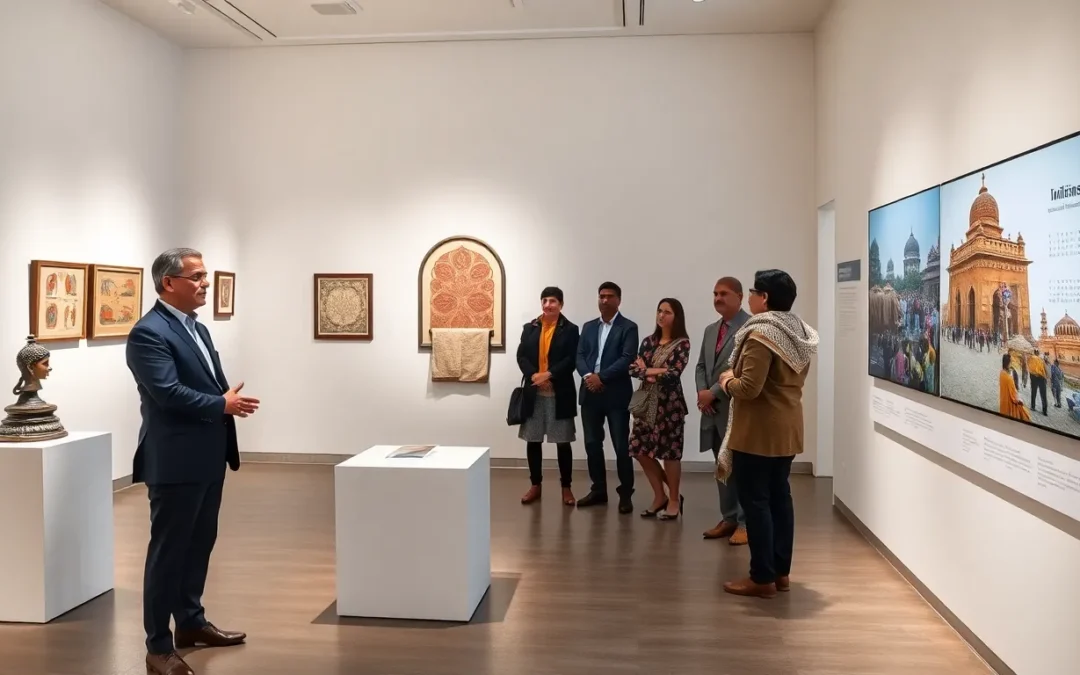
Indian art and culture shape daily life and public identity in India. Indian art and culture reflect thousands of years of history. Indian art and culture show regional variety and shared themes. This article lists main forms, festivals, regional styles, and modern trends. It uses clear facts and short explanations.
Key Takeaways
- Indian art and culture reflect continuous change from the Indus Valley through Mughal and colonial periods, blending religious, political, and social influences into lasting forms.
- Visual arts—painting, sculpture, and architecture—show clear regional techniques (Mughal miniatures, Rajput color, Chola bronze) that connect skill, patronage, and religious function.
- Everyday rituals and festivals structure social life and identity, so preserving local performance, oral histories, and craft techniques sustains community cohesion.
- Contemporary Indian art and culture increasingly use film, digital media, and cross-disciplinary design to reach new audiences and global markets.
- Conservation requires coordinated action: fund restoration of heritage sites, support museums and community custodians, and expand digital archives and craft education to secure traditions for future generations.
Historical Overview: From Indus Valley To Modern India
The Indus Valley people made urban plans, pottery, and seals. Archaeologists found figurines and decorated pottery. Later, Vedic texts shaped social and ritual ideas. Buddhism and Jainism added new art and architecture. Maurya and Gupta kings sponsored stone pillars and temple plans. Mughal rulers combined Persian and local styles in painting and buildings. European contact introduced new techniques and printing. Reform movements and the independence struggle affected artists and themes. After independence, artists mixed tradition and modern ideas. Scholars note continuity and change across eras in Indian art and culture.
Major Art Forms And Their Characteristics
The next sections list main art forms and their traits, with clear examples.
Visual Arts: Painting, Sculpture, And Architecture
Painters used fresco, miniature, and modern canvas. Mughal miniatures show fine detail and court life. Rajput paintings show bold color and folk stories. South Indian temple sculpture shows carved stone figures. Bronze casting reached a high level in Chola workshops. Temple architecture followed regional plans and roof styles. Islamic architecture used domes, arches, and calligraphy. Modern painters adopted oil and abstraction. Many artists combined local themes with global technique. Visual arts reflect religion, patronage, and skill across time.
Cultural Practices, Rituals, And Festivals
Daily ritual fits household life and social calendars. Many practices mark birth, marriage, and death. Festivals mark seasonal cycles and local myths. Communities use ritual to express values and group ties.
Regional Diversity And Local Identities
India has many climates, languages, and histories. These differences create distinctive local art and culture. Regional styles grow from materials, climate, and historical links.
Contemporary Developments And Cross-Cultural Influences
Modern life changed how people make and see art. Artists used film, digital media, and new materials. Cities supported galleries, festivals, and public art. Cinema became a major cultural force with mass appeal. Independent filmmakers explored social themes and history. Contemporary designers mixed craft with product design. These changes created new markets and audiences for Indian art and culture.
Preservation, Challenges, And Opportunities
Heritage sites need funds and skill for repair. Museums collect, document, and display artifacts. Community groups protect folk knowledge and ritual songs. Education programs teach craft techniques to young people. Digital archives record fragile performances and oral history.