
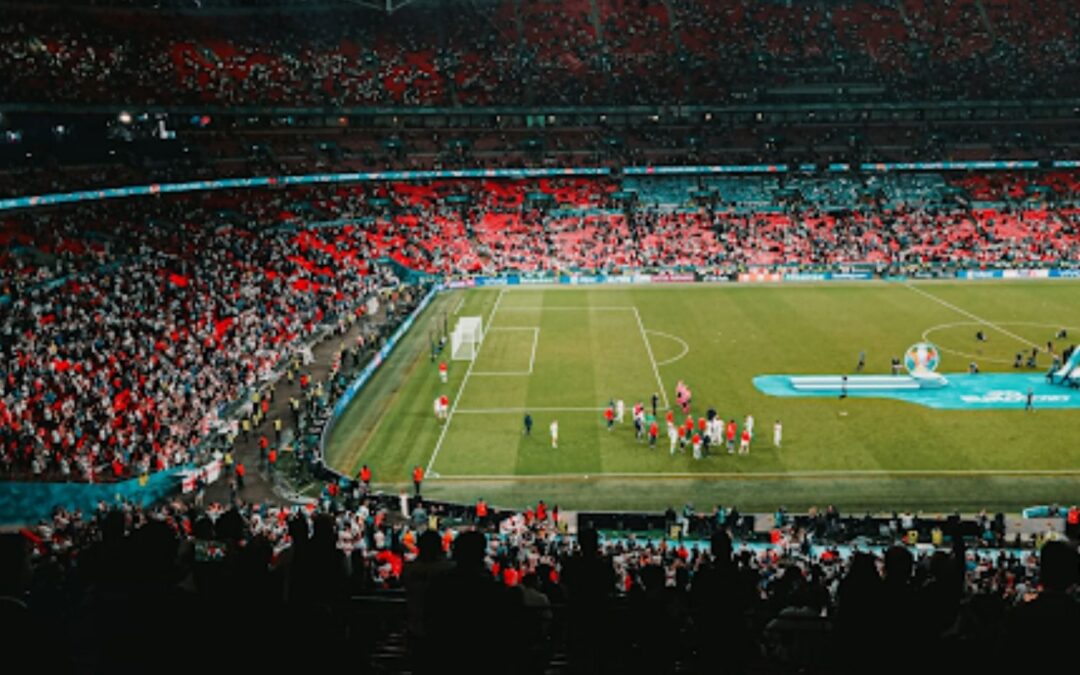
Sport in England was never purely about the result. Before a whistle blows, the venue is already working on you – telling you where you are, whose territory this is, what has happened here before you arrived.
That is why iconic venues continue to matter even in a more digital era. Fans may watch highlights on phones, plan trips on the move, and build matchday habits around portable screens, but the physical venue still anchors the experience. In practice, that means people often move between in-person atmosphere and mobile browsing, whether they are checking transport, tickets, local guides, or adjacent entertainment options such as https://rg.org/en-ca/casinos/mobile/ while planning a broader leisure itinerary around a sporting event.
England seems particularly tangled up in place in this way. A famous stadium can carry architectural interest, local pride, and national memory all at once, sometimes awkwardly. Supporters talk about certain grounds the way they’d talk about a theatre or a cathedral – not just where things happen, but where you go to reconnect with a story you already partly know. Whether that story is real or constructed is a separate question.
What Actually Makes a Venue Iconic
Good seats and decent sightlines are the starting point, not the point. What makes a venue accumulate meaning over time is repeated collective experience – enough matches, enough seasons, enough memory layered on top of itself that the place starts to feel like more than infrastructure.
In England, this process is visible because sport sits close to questions of identity in a way it doesn’t always elsewhere. Class, region, local loyalty – they’re all tangled up in it. A ground becomes significant through a combination of things: history, distinctive design, association with moments that mattered, and the kind of rituals that supporters maintain without anyone coordinating them.
The Problem With Wembley (and Why You Go Anyway)
Some venues have become national shorthand less because of what they look like than because of how often they appear at the kind of occasions people care about. Finals, ceremonies, title-deciding matches – they keep happening at the same places, which eventually makes those places feel necessary rather than incidental.
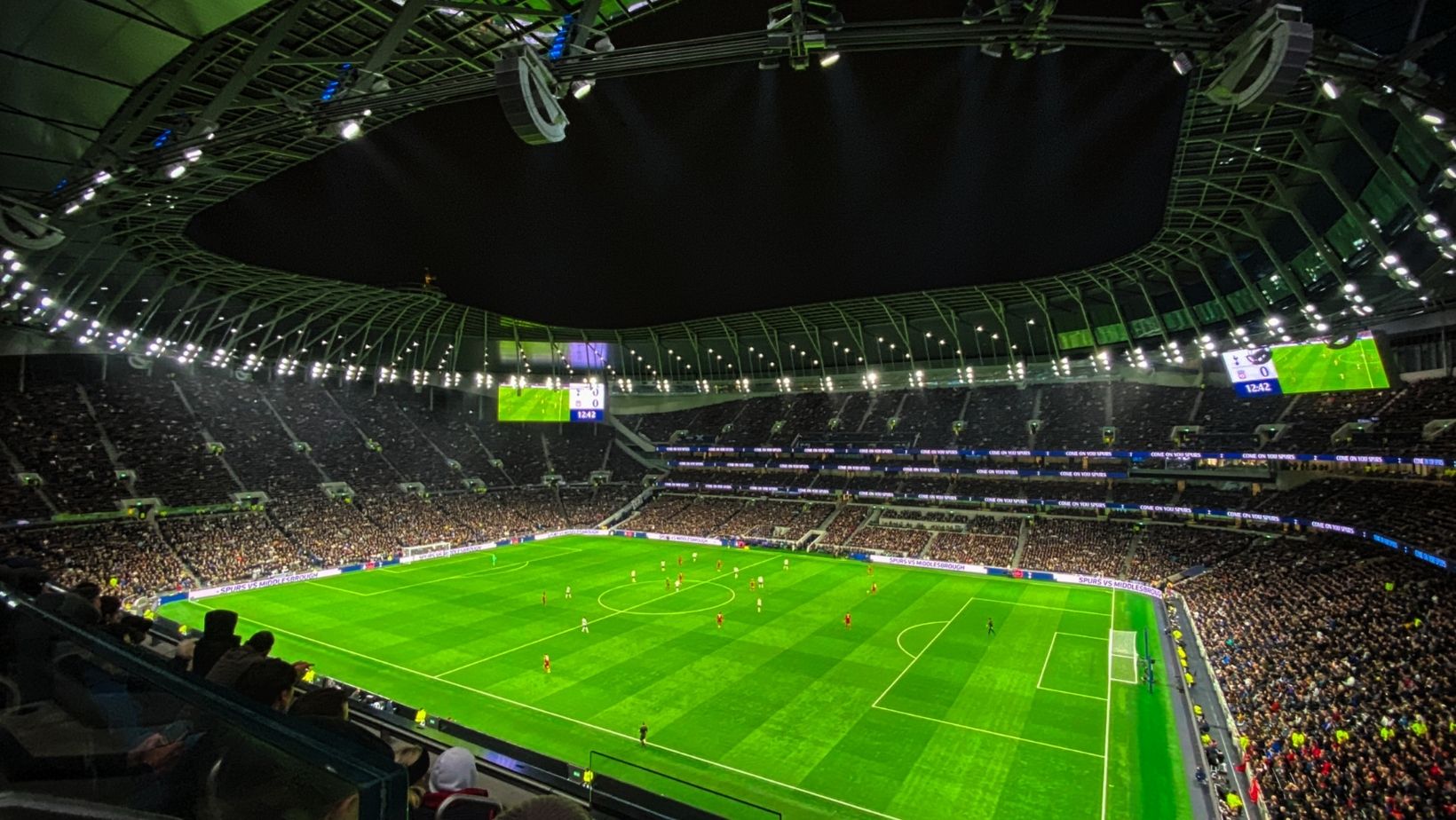
Wembley is the obvious case. Its meaning extends well past football. It’s about national occasion, a stage for things that are supposed to carry weight. Lord’s in cricket and Twickenham in rugby do something similar in more specific ways. You visit not only to watch sport but to stand inside a tradition.
That sounds almost embarrassingly sincere until you actually walk into one of these places before a major match. Then it makes sense.
Design and the Visual Memory of Sport
Architecture in sport rarely gets discussed as architecture. But a stadium with a recognisable silhouette ends up in a city’s visual identity whether anyone planned that or not. Broadcasters frame it, fans photograph it, visitors describe it.
The strongest visual identities don’t necessarily come from ambitious design. Often it’s continuity – a pavilion that’s been there for decades, a preserved approach, the kind of details that make a place feel like itself rather than like somewhere recently built. Fans tend to remember not only the result but the tunnel, the walk up to the stands, the specific atmosphere of the approach. These details are part of what they take home.
Venues as Something More Than Matchday
Few major English venues now operate as single-purpose buildings. Tours, archives, and in-house museums have become standard. They signal that understanding the place is part of the visit, not a bonus on top of attending an event.
Queen Elizabeth Olympic Park makes this explicit at scale. It’s public green space, cultural institutions, and regeneration infrastructure, with sport as one strand of it rather than the whole argument. That model has spread. A trip to a major sporting destination now legitimately includes architecture, walking routes, and restaurants alongside whatever is being played. The ground becomes a gateway to a place rather than an endpoint.
Local is Where the Atmosphere Actually Lives
National symbolism aside, the deepest meaning in any ground is usually local. Grounds become genuinely loved because they reflect the specific habits and humour of the people who return most often. The songs supporters choose, the pubs beforehand, the murals, the businesses that depend on event days – none of that is decorative. It’s where the atmosphere actually comes from.
Without it, even a technically impressive stadium feels like a venue for hire. With it, the place has roots. That’s why historically resonant grounds continue to hold value in a sports economy that tends to reward novelty: they offer continuity, and continuity is harder to manufacture than it sounds.
Heritage vs. Reinvention: An Ongoing Argument
The central tension for any major venue is staying relevant without becoming generic. Audiences expect comfort, connectivity, and year-round programming. They also want a place that feels like somewhere specific, not interchangeable with a large arena in any other city. Those two things pull in opposite directions and the argument never fully resolves.
The best examples protect what is symbolic while improving what is practical. They find new uses without erasing what made them distinct. It’s not a clean formula and it doesn’t always work, but when it does the venue justifies the journey on its own terms – not only because of what’s being played.