
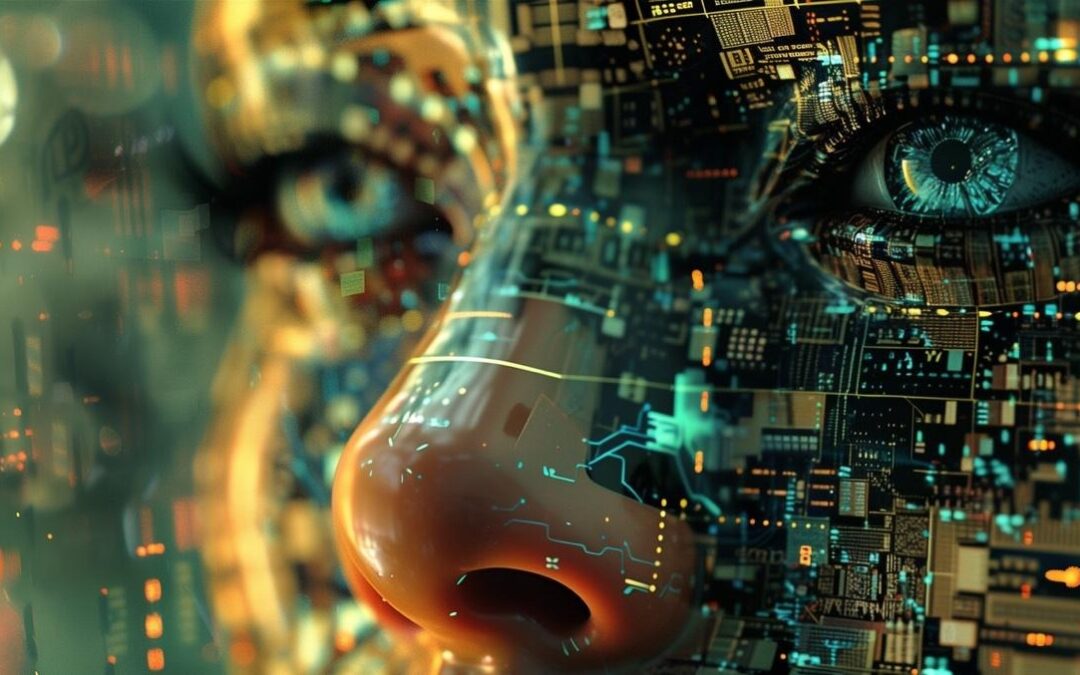
It’s now approaching four years since Jason Allen won first place in the digital art prize category at the Colorado State Fair. It occurred in September 2022, and the award caused quite the stir. The work, titled Théâtre d’Opéra Spatial, was AI-generated.
Thankfully, perhaps, there haven’t been any mainstream art awards that have courted controversy over AI since that Colorado State Fair. Yet, the questions of its place in art, whether it should have any place at all, and, indeed, whether anything AI-generated should be considered art have been persistent ever since.
Arguably, the bottom line is that art is, by its very nature, a form of human expression, with meaning in turn implanted by the artist and derived by the observer. That’s the base case.
Art can be found in many cultural endeavors
Modernity, for sure, has challenged those views. For example, if we consider a movie like The Godfather as art, should we say a television show like Keeping Up with the Kardashians is also art? Some claim – rightly in our view – that modern video games should be considered an art form, and thus we could extend it to puzzle games and online slot games. Not all art is equal, of course, so you may consider the Kardashians a low form of art, but art it remains.
The above questions and parameters are important, however, as they still retain the parameters that we set out as a base case; that art, whether good or bad, complex or simplistic, is a form of human expression. The penultimate word in that last sentence is paramount – human.
There has been an anti-AI art movement
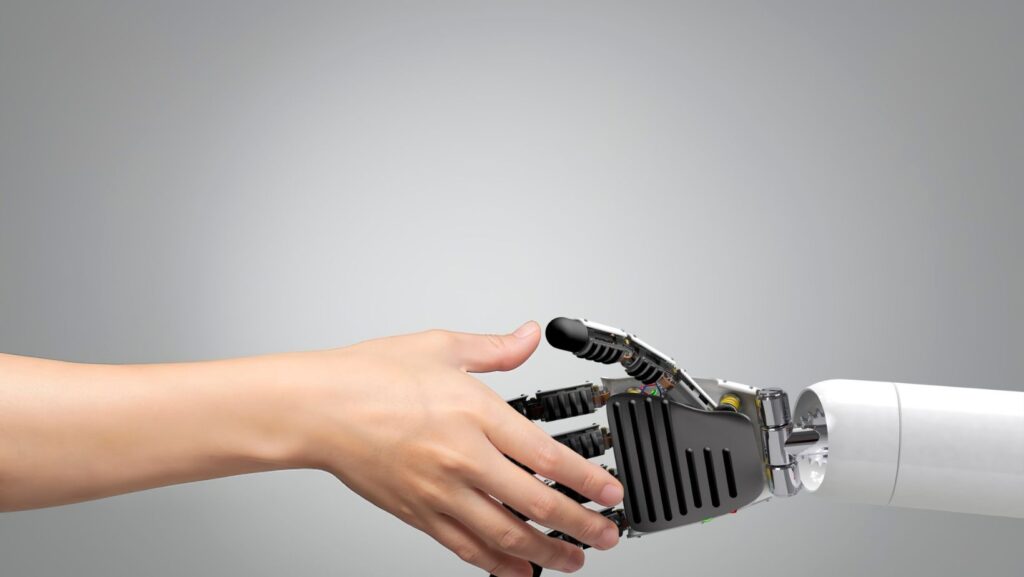
So, the above is the riposte to those AI art proponents who claim what they produce is art because it is aesthetically pleasing. Art does not mean pretty pictures, and it never has. Yet, that it is the claim of some – you can see something akin to a movement of AI ‘artists’ on Twitter/X, claiming that, yes, prompting AI to create something is, in fact, a form of art. You’ll probably be glad to note that the voices claiming that they are wrong are much more vociferous.
Yet, is there room for some nuance? Let’s take digital art, for example, which is obviously an area where AI could be most influential. Could an artist not use AI for dull, repetitive tasks to save on time and labor? A similar prospect for digital artists working on movies. One might argue that there isn’t anything wrong with a little help when the artist remains the architect. And there are other possibilities, too, such as AI as an aid for artists with disabilities.
However, this feels like a debate where we are only seeing the tip of the iceberg. Already, we have seen authors being accused of using AI to write books and outcry over actors, notably Val Kilmer, being brought ‘back from the dead’ to star in movies. The changes coming will be tumultuous, and a lot of artists aren’t happy about it.