
When we jump into the world of art, there’s one fundamental concept that keeps popping up: the outline. Imagine trying to make a cake without a recipe. Sure, you might end up with something edible, but it likely won’t win any awards. In the same way, outlines serve as our creative recipe, helping us construct stunning visual narratives. So, what exactly is an outline in art, and why should we care? Join us as we take a light-hearted yet insightful journey into the definition of an outline in art and its indispensable role in our artistic endeavors.
Definition of Outline In Art

An outline in art refers to the outer edge of a form or object, serving as the skeletal structure upon which we can build our creative masterpieces. This concept isn’t just confined to drawing: it extends into painting, sculpture, and beyond. Think of outlines as the scaffolding of our ideas. They keep everything stable while we add detail and depth.
When we create an outline, we’re not just sketching, we’re capturing the essence of our subject. It’s a visual representation of what we want to convey. In a way, outlines help us map out our artistic journey. The clarity they provide allows us to focus on the finer details without losing sight of the overall composition.
The Role Of Outlines In Composition
Outlines play a pivotal role in composition. They guide the viewer’s eye, offering a path through the artwork. Have you ever looked at a piece of art and felt your gaze being drawn along a particular line? That’s the magic of outlines at work.
In our creative process, they help us balance elements within a piece. By establishing clear boundaries, outlines enable us to create harmony between shapes and colors. This balance is crucial, as it ensures that our visuals don’t appear chaotic or overwhelming. Just like a well-structured essay, an outlined artwork communicates its message effectively.
Types Of Outlines In Different Art Forms
Outlines aren’t one-size-fits-all: they come in various forms depending on the art technique we choose to explore. For instance, in drawing, outlines can be bold and defined or soft and subtle, setting the tone for the entire artwork. Meanwhile, in painting, outlines may be less pronounced or even blended into the surrounding colors.
Sculptors, on the other hand, might rely on outlines to establish the shape of their work before adding texture and detail. Even graphic designers use digital outlines to create sleek, modern visuals. Each style delivers a unique impact, showcasing the flexibility of outlines across different mediums.
Techniques For Creating Effective Outlines
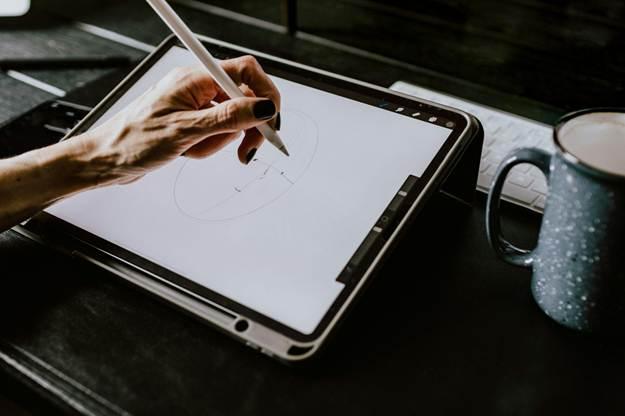
Now, let’s get our hands dirty. Creating effective outlines is an art in itself. One popular method is to start with light, precise strokes, gradually building up to darker lines as we refine our shapes. This approach helps us maintain flexibility as we work, allowing for adjustments as necessary.
Another technique involves using different tools. For example, we might use fine liners for detailed sketches or even brushes for softer outlines in painting. Experimentation is key here. The more techniques we try, the more we’ll discover what resonates with our style. Don’t be afraid to play around: after all, art is meant to be fun.
The Impact Of Outlines On Viewer Perception
Have you ever noticed how an effective outline can transform the viewer’s perception of an artwork? Outlines set expectations. A bold outline might communicate strength and confidence, while a delicate one may evoke elegance. This connection between outlines and viewer perception makes them a critical aspect of our artistic expression.
By strategically using outlines, we guide the narrative of our pieces. This allows us to convey emotions and themes, shaping how our audience interprets our work. So, outlines don’t just frame our art: they play a vital role in storytelling.