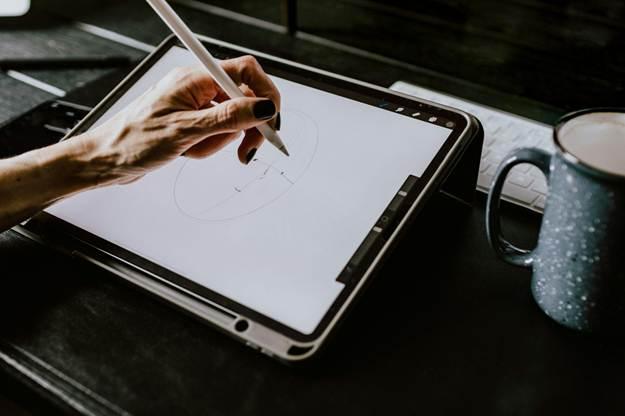

Art often feels like a beautifully chaotic expression of creativity. But before that masterpiece comes to life, there’s an unsung hero in the background: the outline. Whether we’re sketching a fleeting thought or crafting something monumental, outlines form the backbone of our artistic endeavors. So, let’s jump into the aromatic world of outlines in art: we promise it’ll be more exciting than a blank canvas left too long in the sun.
Outline Meaning In Art

When we think about outlines, we usually imagine just simple lines or sketches, but it’s so much more than that. Outlines serve as our first steps in the artistic process, guiding us to think conceptually about our subject matter. They help shape our vision and highlight essential elements while keeping distractions at bay. In essence, an outline acts like a roadmap: without it, we might find ourselves wandering off into creative chaos.
Historical Significance of Outlines in Art
Outlines have been around almost as long as art itself. From the prehistoric cave paintings in Lascaux that outline animals to Michelangelo’s preliminary sketches for the Sistine Chapel, we can see how artists historically used outlines to refine their ideas. They allowed artists to focus on proportion, perspective, and the overall composition. Historical masters like Leonardo da Vinci employed detailed outlines, proving their significance in guiding not just their work but the future generations of artists.
Different Types of Outlines in Artistic Expression
When we explore outlines, several forms come to light. They range from rough sketches to clean, defined lines. In the graphic arts, for instance, we often encounter contour outlines that precisely follow the edges of the objects. Painterly works may employ softer outlines, blending them into the canvas, creating a more organic feel. Typically, artists use varying depths of outlines to convey emotion, focus viewers’ attention, or establish dynamic compositions. Each type serves a unique purpose in enhancing our artistic expression.
Techniques for Creating Effective Outlines
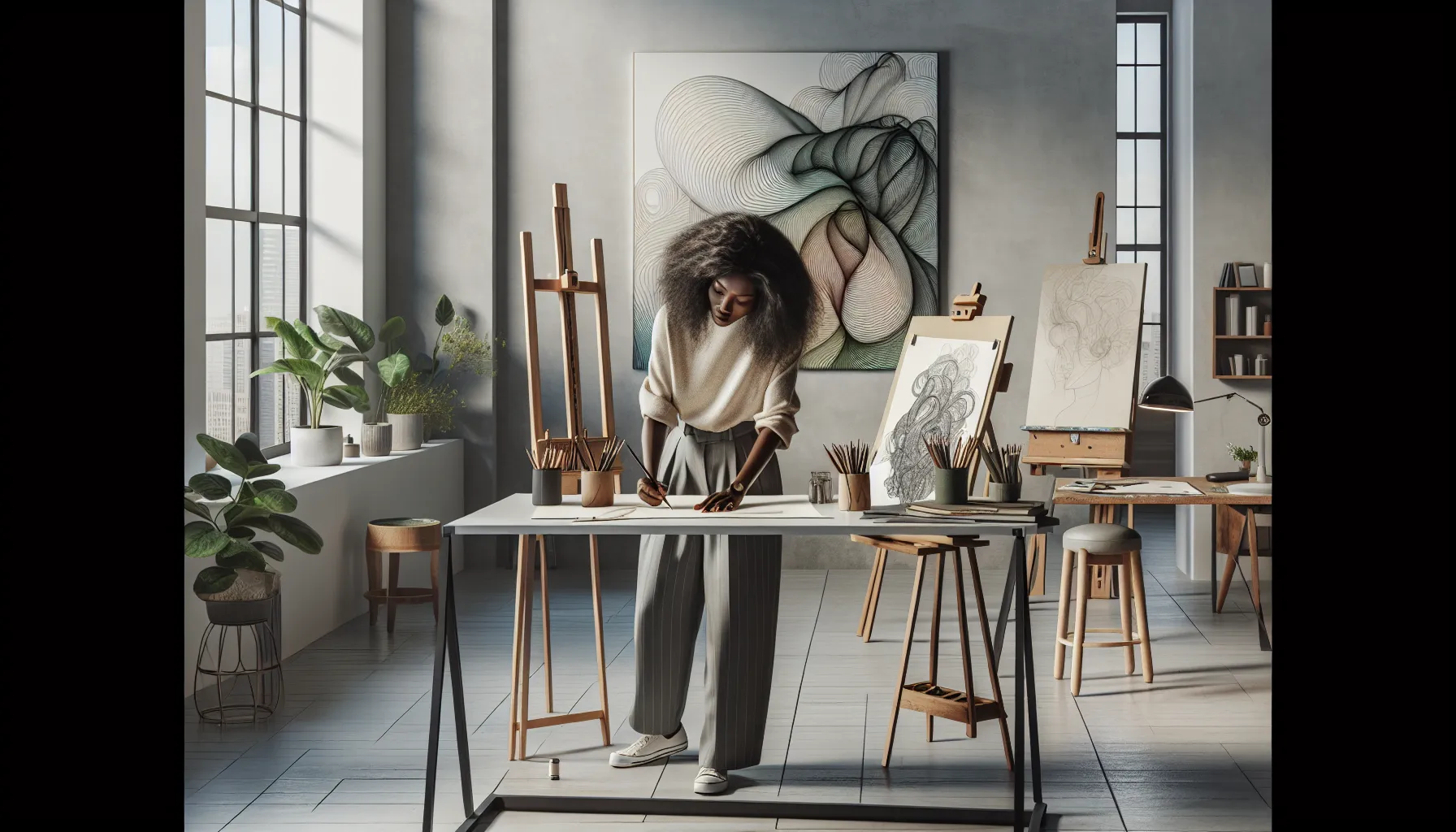
Creating effective outlines requires more than a steady hand: it involves strategic thinking. One popular technique involves starting with light pencil outlines, allowing us to adjust our compositions freely. Alternatively, many artists use a grid method to accurately translate proportions, especially for more intricate designs. Another essential technique is considering the flow of the outlines. Whether we create jagged lines for intensity or soft curves for calmness, understanding line dynamics can dramatically affect the final piece.
The Role of Outline in Various Art Forms
Outlines serve diverse purposes across different forms of art. In visual arts, they help define shapes, provide structure, and guide the viewer’s eye. Sculptors might outline their materials to visualize volume, while graphic artists use bold outlines for clarity and impact. In the performing arts, the concept of ‘outline’ also extends to choreography and narrative structures, acting as a backbone in developing scenes and character arcs. In all these cases, outlines serve an essential role in both planning and executing high-quality work.