Have you ever gazed at a painting and felt as if you could reach out and touch a sculpture? If so, you’ve experienced the magic of volume in art. This concept, often overlooked, is key to transforming flat canvases into mesmerizing worlds that pop with life. So, grab your brushes and let’s jump into the essentials of volume in art. Together, we’ll explore not just what it is, but why it matters, and how to master it.
Volume in Art
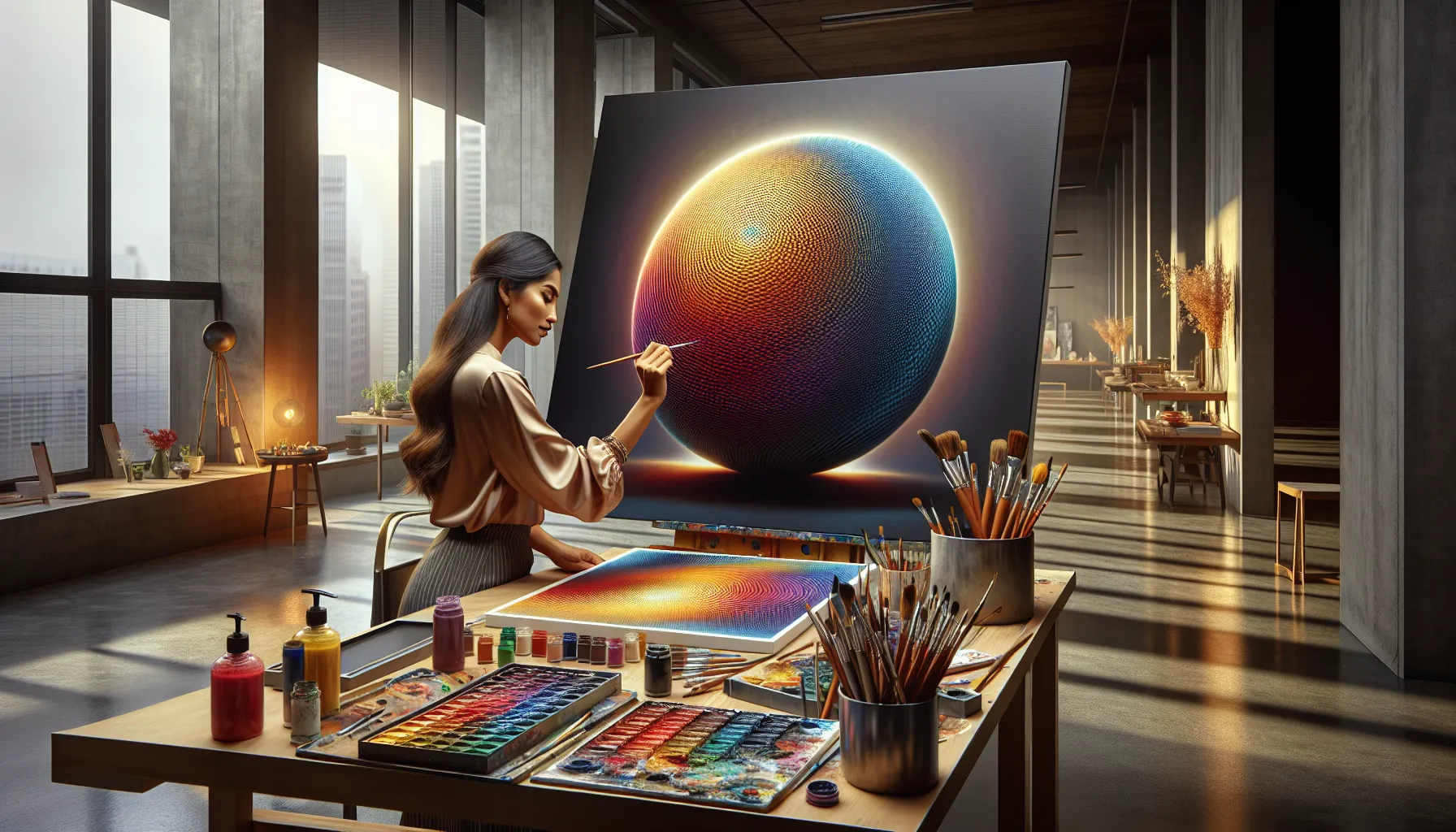
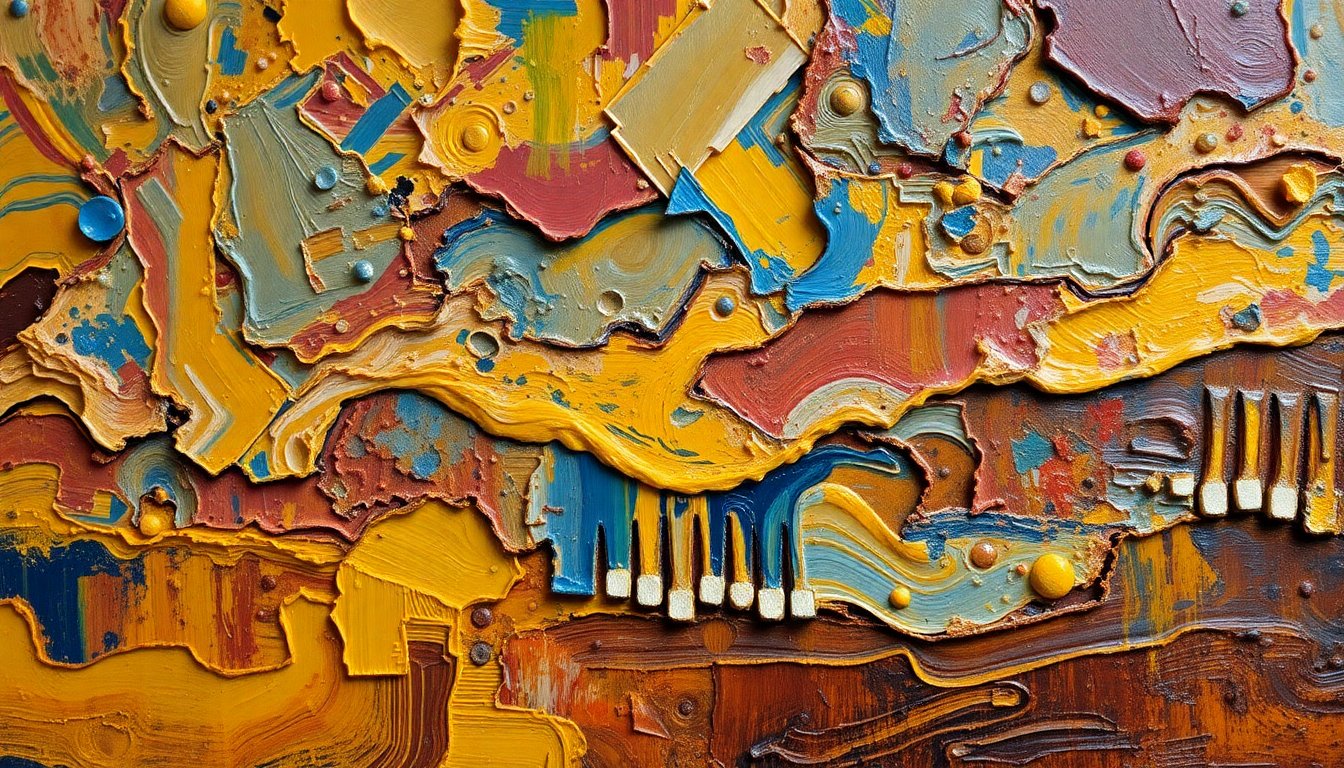
When we talk about volume in art, we’re referring to the illusion of three-dimensionality on a two-dimensional surface. It’s all about how we manipulate space, light, and form to create depth. Imagine a simple sphere: it looks round and full, right? That bounce of light we see on its surface is a crucial part of conveying its volume. Without it, that sphere would simply be a flat circle, lacking life and character.
In essence, volume is what gives life to our artwork. It invites viewers to engage with the piece, making them wonder what lies beyond the flatness of the canvas. By understanding volume, we unlock a fundamental tool that enhances our artistic expression.
The Importance Of Volume In Visual Composition
Volume is not just a fancy term we throw around in art circles: it’s a game changer in how our artwork is experienced. Think of volume as the backbone of composition. It guides the viewer’s eye, creating a pathway through the piece. When we use volume effectively, we create balance and harmony, drawing in our audience and keeping them captivated.
Also, volume pushes the boundaries of storytelling in art. A well-placed shadow can evoke emotion or create tension, helping us narrate deeper stories that resonate on another level. Without volume, our visuals risk becoming static and lifeless. In a world full of distractions, we must harness the power of volume to ensure our art stands out.
Techniques To Create Volume
Creating volume in our artwork can be achieved through various techniques. Here are some tried-and-true methods:
1. Light and Shadow
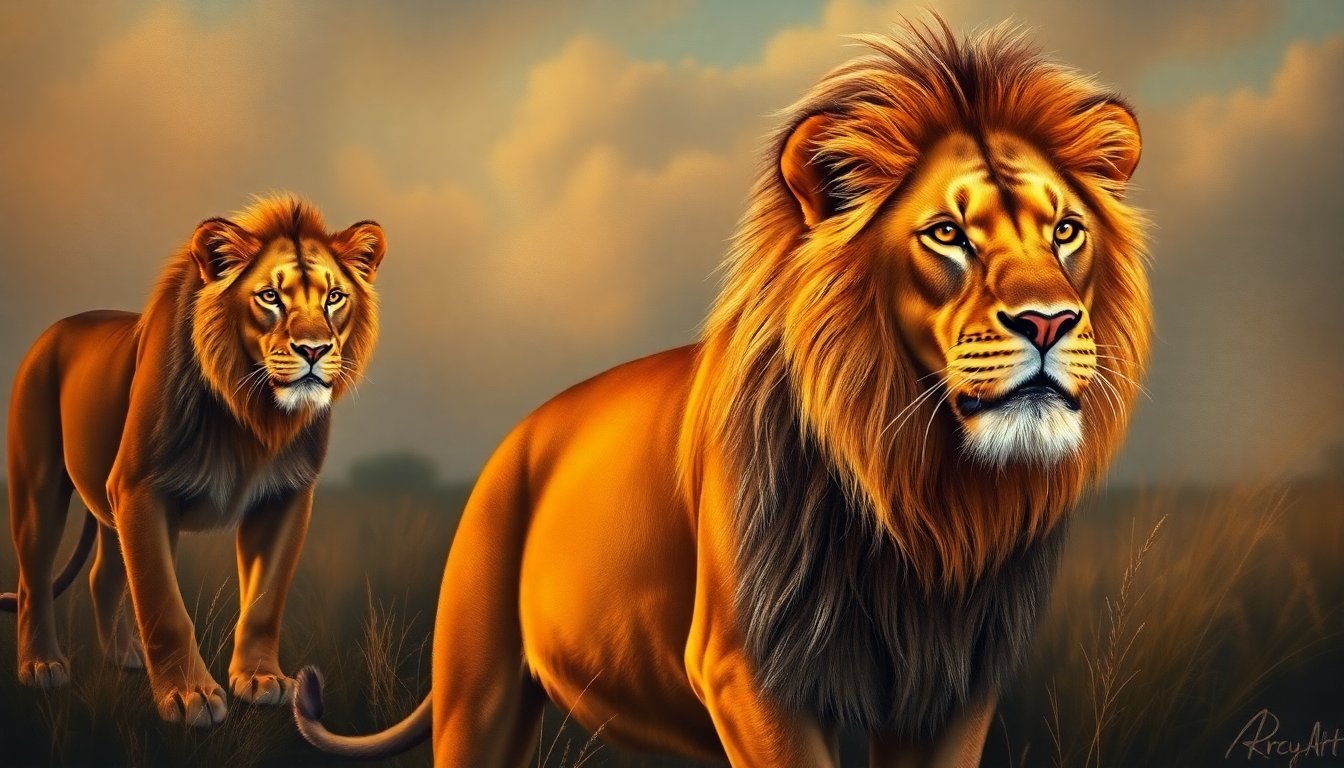
One of the most effective ways to create volume is through the careful manipulation of light and shadow. By placing highlights on surfaces where light hits directly and adding shadow where the light fades, we can enhance the feeling of three-dimensionality.
2. Gradation of Colors
Using gradation or a smooth transition between colors can give the illusion of depth. Lighter colors often appear as if they’re closer, while darker shades recede into the background. This technique can be especially useful in painting skies or landscapes.
3. Perspective
Employing perspective can lead the viewer’s eye into deeper spaces. Techniques like linear perspective create converging lines that draw attention towards a vanishing point, elevating the sense of depth and volume in the piece.
Examples Of Volume In Different Art Forms
Volume can be observed across various art forms. Let’s shine a light on a few examples:
Painting
Consider the works of artists like Caravaggio. His use of chiaroscuro, the stark contrast between light and dark, is phenomenal in creating volume. Each figure in his paintings feels robust and alive, drawing viewers into their stories.
Sculpture
Sculpture, by definition, is three-dimensional. Artists like Michelangelo used volume to their advantage, sculpting figures that appear ready to step off their pedestals. The curves and angles not only catch light but also interact with the space around them, making them truly immersive.
Photography
In photography, volume plays a crucial role too. A well-composed shot that incorporates foreground, middle ground, and background helps create depth. Photographers often use this technique to guide viewers’ eyes through their images, crafting a story that unfolds in layers.
Challenges In Representing Volume
While mastering volume is vital, it’s not without its challenges. One major hurdle is achieving a realistic portrayal. Sometimes, our use of light and shadow can feel forced or unnatural, leading to artwork that doesn’t resonate. Also, understanding the nuances of perspective can be daunting. Without a solid grasp of how to represent space, our pieces can fall flat, literally.
Another obstacle is the balance between volume and detail. Too much detail can overwhelm the viewer, yet too little can leave them disengaged. Our job is to find a middle ground where volume feels authentic and engaging.