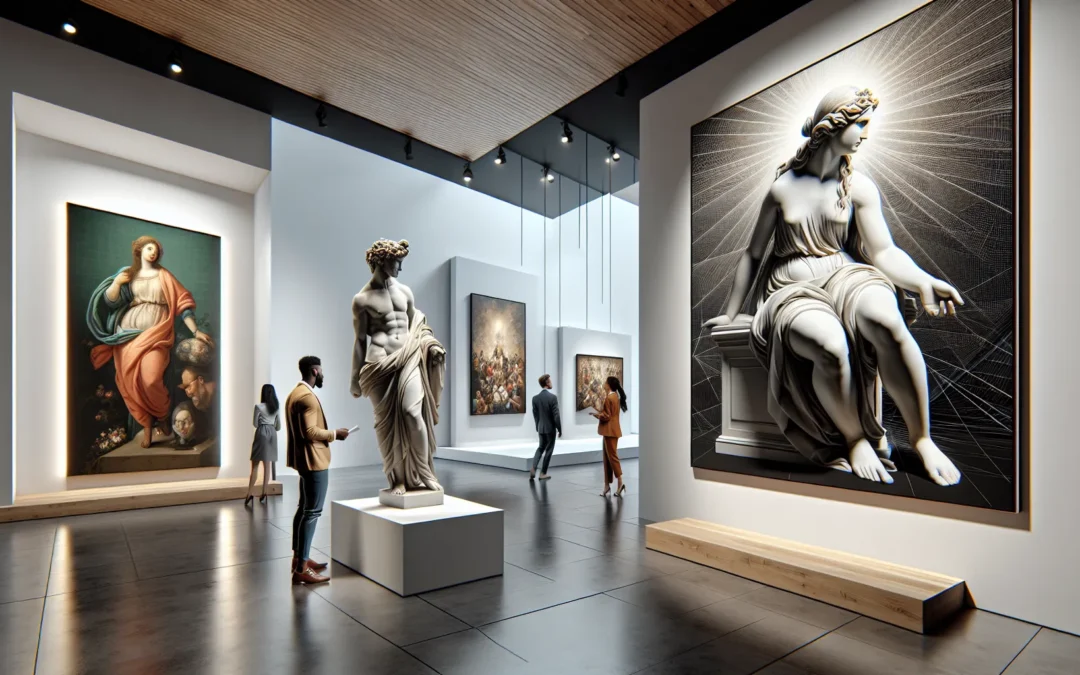
Have you ever looked at a painting and felt as if it had depth? Or wandered through a gallery and experienced the weight of a sculpture? If so, you’ve encountered the fascinating concept of volume in art. In this text, we’re diving deep (pun intended.) into the nuances of volume, how it’s applied, and why it matters. Buckle up, because we’re about to explore how artists make their works leap off the canvas, or pedestal.
What is Volume in Art
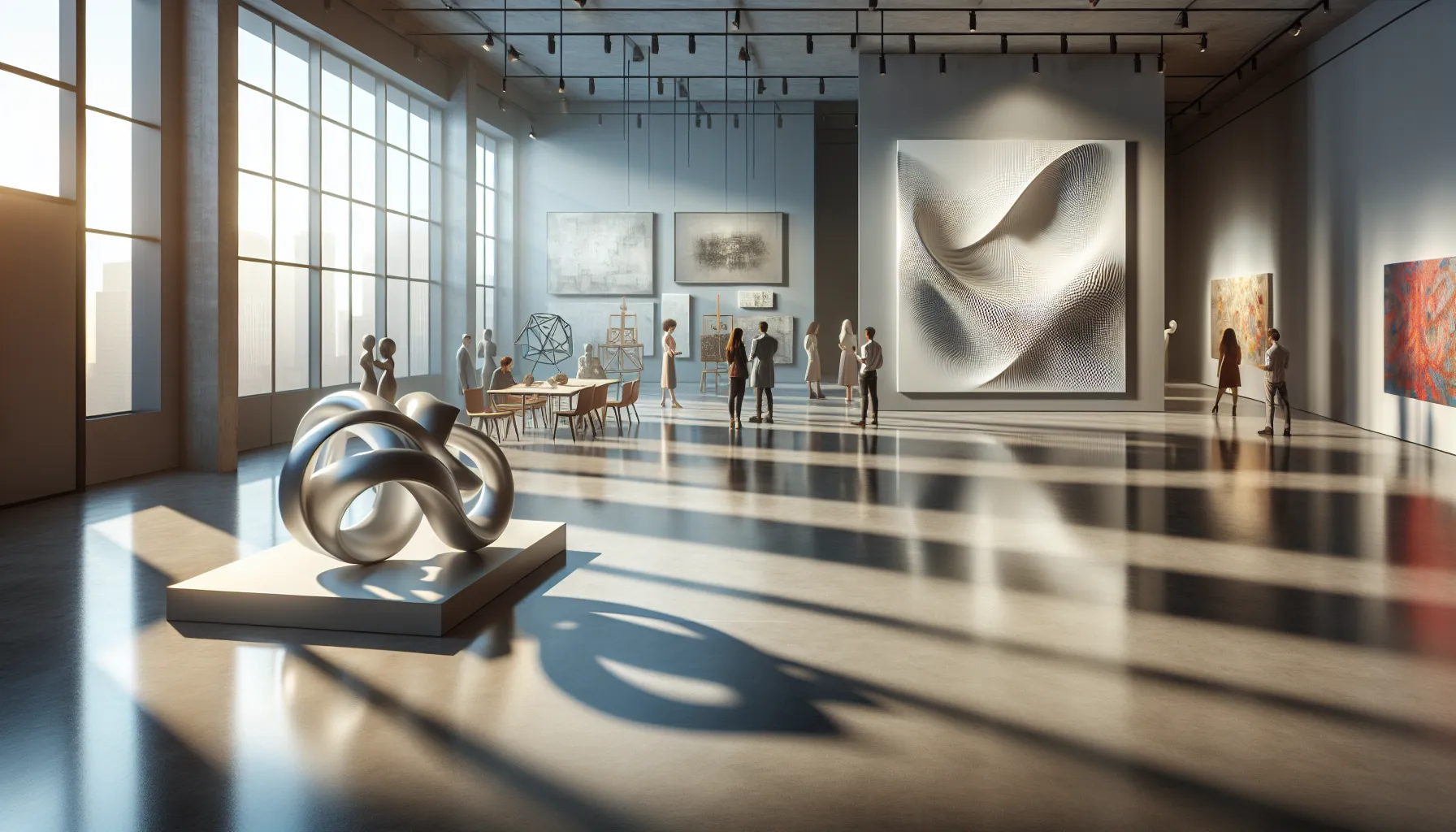
Volume in art refers to the illusion of three-dimensional space and mass within a piece. It’s not just about the physical substance: it’s about how shapes and forms interact to create depth. This concept is crucial in both two-dimensional and three-dimensional art forms. Artists use various techniques to manipulate our perception, making us feel as if we could reach out and touch their creations. Understanding volume enhances our appreciation of artworks and allows us to connect more deeply with the artist’s intentions.
The Role of Volume in Two-Dimensional Art

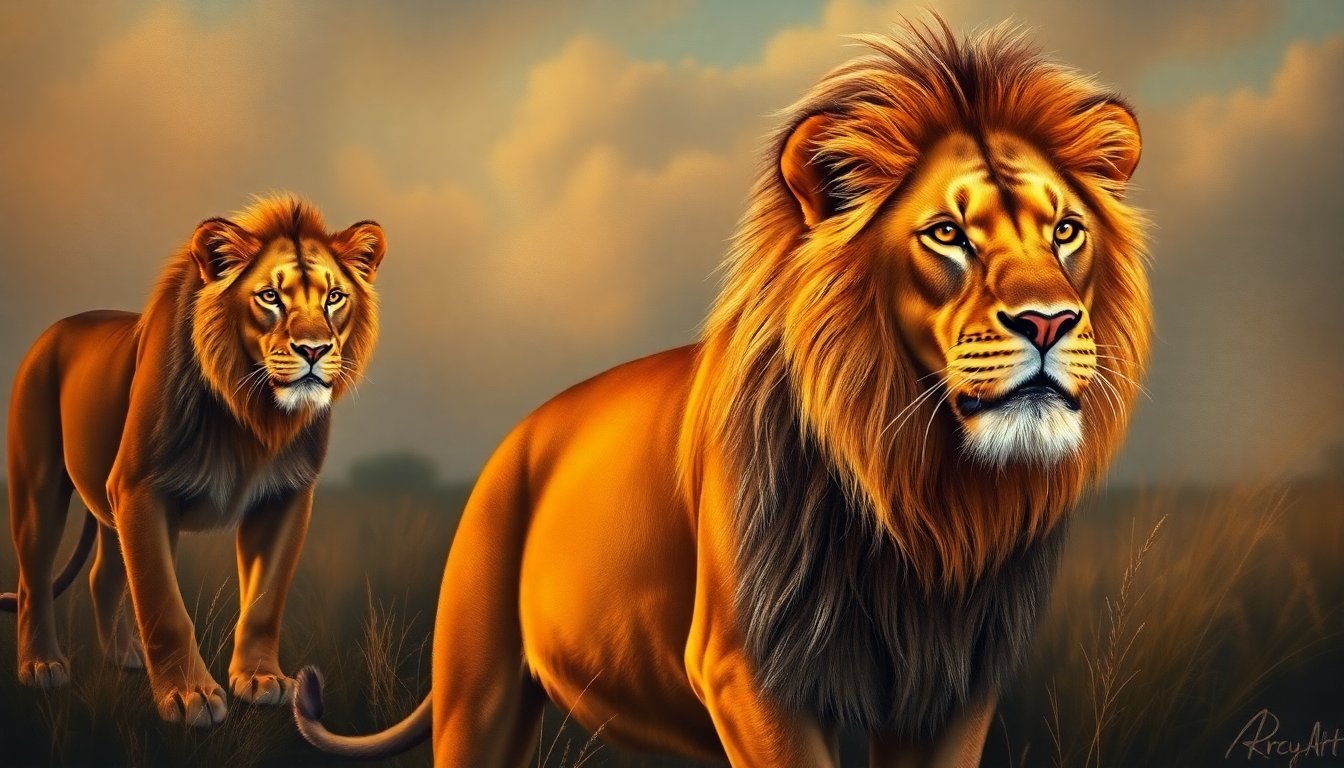
In two-dimensional art, such as painting and drawing, volume is achieved through techniques like shading, perspective, and color. We might not see a physical object with depth on a flat surface, but skilled artists create an illusion that tricks our brains into seeing form. For example, in works by Renaissance masters like Leonardo da Vinci, chiaroscuro plays a vital role. By contrasting light and shadow, they evoke a sense of volume, giving life to figures and objects, transforming a simple canvas into a strikingly real-world portrayal.
Volume in Three-Dimensional Art and Sculpture
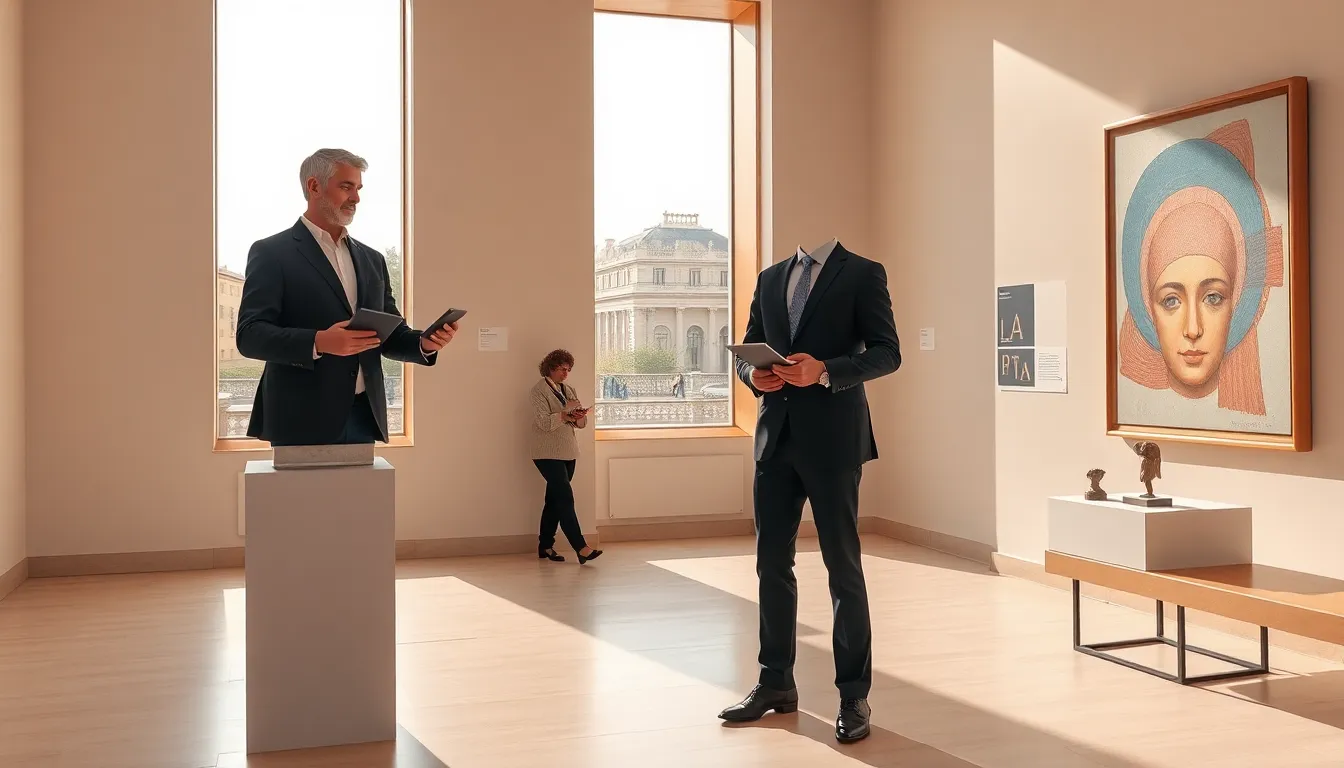
When we think about volume in three-dimensional art, sculpture immediately comes to mind. Here, artists work with materials like marble, clay, or metal, shaping them into forms that occupy space. The play of light and shadow becomes even more significant since the viewer can walk around the piece, observing it from multiple angles. Take Michelangelo’s David, for instance. The sculpture doesn’t just represent human form: it embodies it through volume, muscle definition, and a careful understanding of spatial relationships. We see how grandeur and intimacy can coexist beautifully in sculptural works.
Techniques for Creating Volume
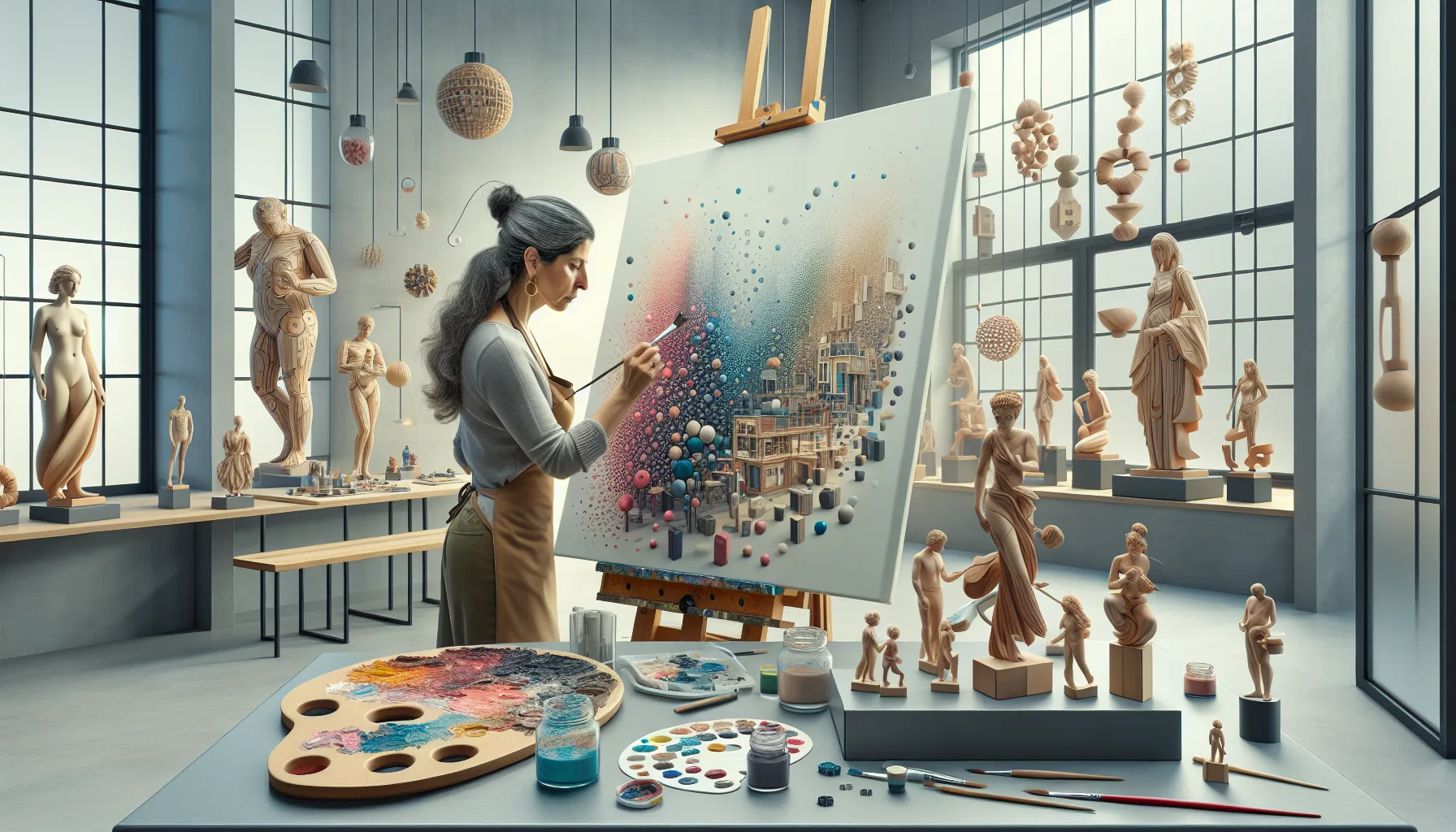
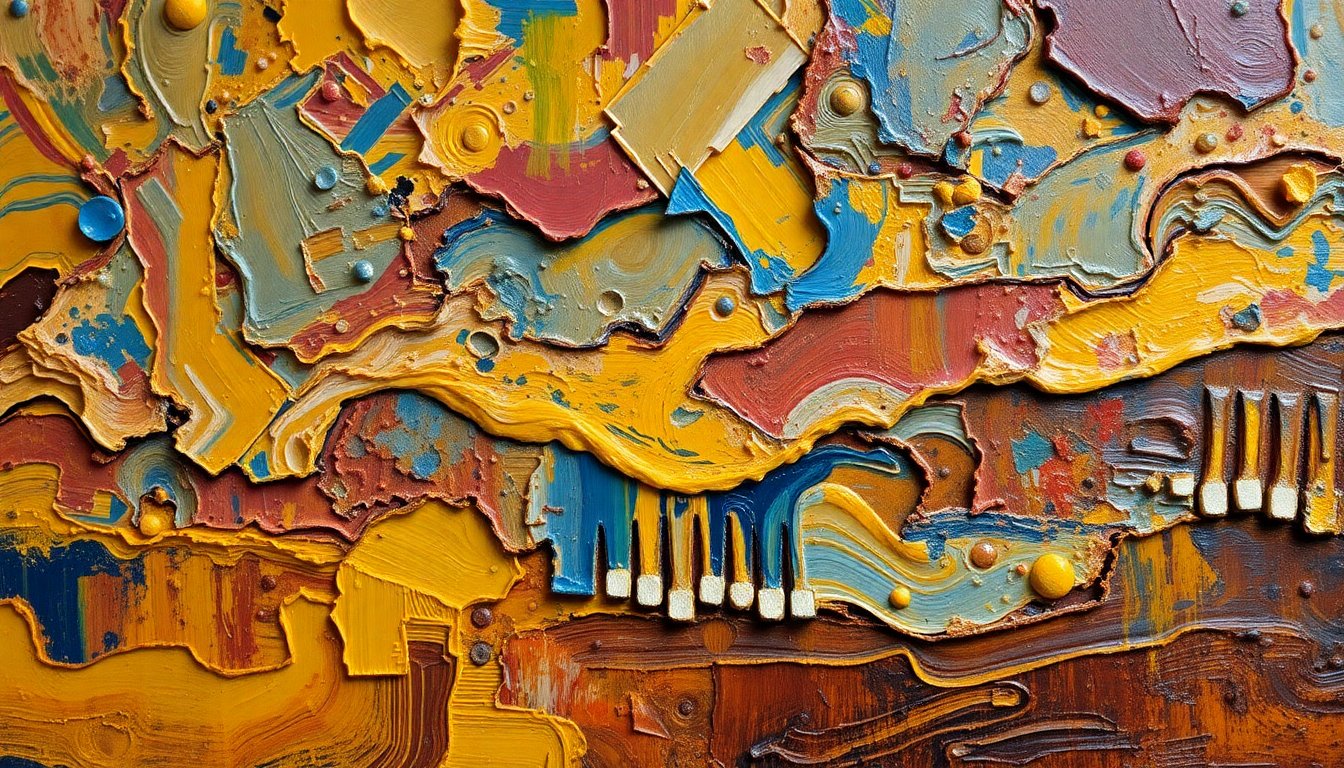
Artists employ various techniques to achieve volume, both on two-dimensional surfaces and in three-dimensional forms. In painting, techniques like layering paint, using varying brushstroke sizes, and employing gradations of color help create the illusion of mass. In sculpture, methods such as subtractive carving or additive modeling contribute to crafting volume. We can appreciate these techniques by enjoying how each artist manipulates their chosen medium, resulting in dynamic expressions that celebrate both form and space.
Examples of Volume in Various Art Movements
Throughout art history, we can find exemplary uses of volume in various movements. In Baroque art, the dramatic use of light contrasts adds to the volume of figures, adding emotional depth. Impressionism introduced a more subdued approach, focusing on how light can define form. Think of Monet’s water lilies: they float on the surface yet possess a depth that invites us to explore beneath. Even contemporary artists continue to explore volume, with installations that challenge our perceptions of space and mass, reminding us that volume is a living concept in the art world.