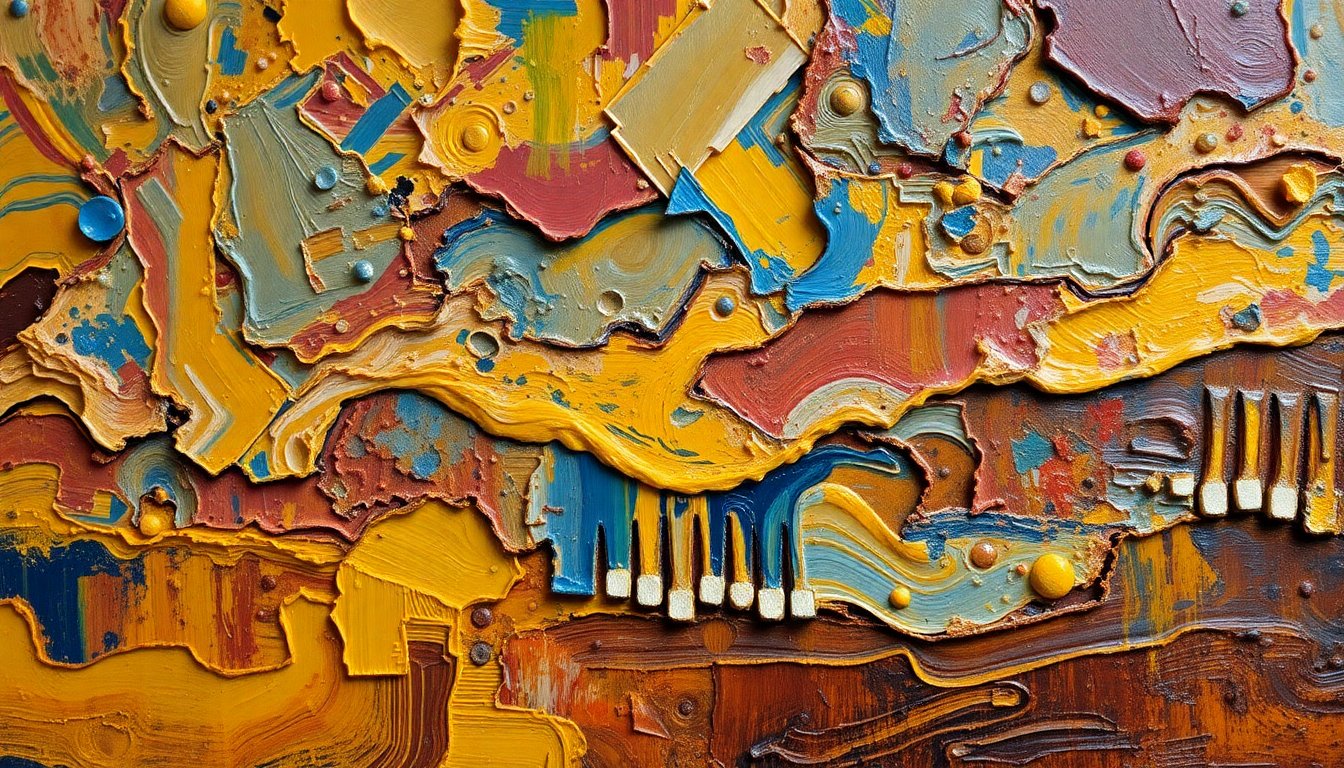

Picture this: You’re standing in front of a massive canvas, colors swirling and clashing, shapes twisting in ways your mind can’t quite pin down. Your heart beats a little faster. You’re not sure why, but you feel something—maybe joy, maybe confusion, maybe a punch of nostalgia. That’s the magic of abstract oil paintings. They don’t just hang on a wall; they grab you, shake you up, and leave you thinking long after you’ve walked away.
Why Abstract Oil Paintings Hit Different
Let’s be honest—abstract oil paintings can be intimidating. You might wonder, “What am I supposed to see here?” But that’s the point. Unlike a portrait or a landscape, abstract art doesn’t hand you the story. It asks you to bring your own. The thick, textured brushstrokes, the wild color choices, the way the paint seems to leap off the canvas—these aren’t accidents. They’re invitations.
Here’s why abstract oil paintings matter: They let you feel first and think second. The artist pours emotion into every stroke, and you get to decide what it means. It’s a conversation, not a lecture.
The Secret Sauce: Oil Paint’s Power
If you’ve ever watched an artist squeeze oil paint onto a palette, you know it’s not like any other medium. Oil paint is slow to dry, which means artists can blend, layer, and scrape for hours—or even days. This flexibility gives abstract oil paintings their signature depth and richness. You’ll see colors bleeding into each other, textures that beg to be touched, and layers that reveal new surprises every time you look.
Here’s the part nobody tells you: Oil paint’s unpredictability is a gift. Sometimes, a happy accident—a drip, a smear, a color that shouldn’t work but does—becomes the heart of the painting. If you’ve ever tried to control every detail in life and failed, you’ll appreciate the freedom oil paint gives artists to let go and see what happens.
What Makes a Great Abstract Oil Painting?
Not every abstract oil painting will move you. Some feel flat or forced. So what separates the forgettable from the unforgettable?
- Emotion: The best abstract oil paintings pulse with feeling. You can sense the artist’s mood—anger, joy, longing—without a single recognizable shape.
- Color Choices: Bold, unexpected color combinations can make your eyes dance. Think of Mark Rothko’s glowing rectangles or Helen Frankenthaler’s dreamy washes.
- Texture: Thick, impasto paint you want to run your fingers over. Or maybe a smooth, glassy surface that feels almost meditative.
- Movement: Swirling lines, jagged edges, or calm, balanced shapes. The best pieces feel alive, like they’re still changing.
If you’ve ever stood in front of a painting and felt goosebumps, you know what I mean.
Who Should Collect Abstract Oil Paintings?
Here’s the truth: Abstract oil paintings aren’t for everyone. If you want art that tells a clear story or matches your couch, you might get frustrated. But if you crave art that challenges you, that makes you feel something new every time you look, abstract oil paintings are your jam.
Collectors often say they buy with their gut. If a painting stops you in your tracks, if you can’t stop thinking about it, that’s your sign. Don’t worry about what your friends will think. The best collections are personal, not perfect.
How to Read an Abstract Oil Painting
Let’s break it down. You don’t need an art history degree to enjoy abstract oil paintings. Try this:
- Stand close. Notice the brushstrokes, the thickness of the paint, the way colors blend or clash.
- Step back. Take in the whole piece. What’s your first gut reaction?
- Ask yourself: What does this remind me of? A memory, a place, a feeling?
- Let go of “right” answers. Your interpretation is as valid as anyone else’s.
Here’s a secret: Even the artists don’t always know what their work means. That’s the beauty of it.
Famous Abstract Oil Paintings and Their Stories
Let’s talk specifics. Jackson Pollock’s “No. 5, 1948” looks like chaos—drips and splatters everywhere. But stand in front of it, and you might feel the energy, the tension, the sense that something big is happening. Or take Wassily Kandinsky’s “Composition VII”—a riot of color and shape that feels like music for your eyes.
These artists made mistakes. They painted over failed ideas, scraped off layers, started again. Their courage to keep going, to trust the process, is what makes their work unforgettable.
Tips for Displaying Abstract Oil Paintings at Home
If you’ve fallen for an abstract oil painting, here’s how to make it shine:
- Give it space. Let the painting breathe—don’t crowd it with other art.
- Play with lighting. Natural light brings out the richness of oil paint, but a spotlight can add drama.
- Trust your instincts. Hang it where you’ll see it every day, not just where you think it “should” go.
Abstract oil paintings can change the mood of a room. They can spark conversations, soothe nerves, or wake you up on a sleepy morning.
What to Look for When Buying Abstract Oil Paintings
Ready to start your own collection? Here’s what matters:
- Authenticity: Buy from reputable galleries or directly from artists. Ask about the story behind the piece.
- Condition: Check for cracks, fading, or damage. Oil paintings can last centuries if cared for.
- Connection: If a painting makes you feel something, trust that. Art is personal.
Don’t get caught up in trends. The best abstract oil paintings are the ones you can’t live without.
Final Thoughts: Why Abstract Oil Paintings Matter
If you’ve ever felt lost in front of an abstract oil painting, you’re not alone. But maybe that’s the point. These works invite you to slow down, to feel, to wonder. They remind us that not everything needs to make sense to be beautiful. And sometimes, the messiest, most unexpected moments—on canvas and in life—are the ones that stick with us the longest.
So next time you see a swirl of color and chaos, don’t walk by. Stop. Let yourself feel. You might just discover something new—about art, about the artist, or maybe even about yourself.