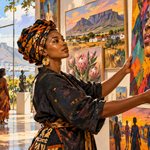
Imagine standing in front of a canvas, brush in hand, as the scent of linseed oil fills the air. You swipe a streak of cobalt blue across the sky, and suddenly, the world outside your window feels closer, more alive. That’s the magic of landscape oil paintings—they don’t just show a place; they pull you into it. If you’ve ever lost yourself in a painting, you know the feeling: time slows, colors pulse, and you start to see the world with new eyes.
Why Landscape Oil Paintings Still Matter
Let’s be honest—most of us scroll past a thousand images a day. But a great landscape oil painting stops you. It’s not just pretty scenery. It’s a record of how someone saw the world, brushstroke by brushstroke. These paintings have survived centuries, outlasting trends and technology. Why? Because they capture something real: the way light hits a field at dusk, the hush before a storm, the wildness of a mountain range. If you’ve ever felt stuck in routine, a landscape oil painting can jolt you awake.
The Origins: From Cave Walls to Canvases
Here’s the part nobody tells you: the urge to paint what we see outside isn’t new. Ancient artists scratched rivers and hills onto cave walls. But oil paint changed everything. In the 15th century, artists in Northern Europe started mixing pigments with oil, and suddenly, colors glowed. Jan van Eyck’s landscapes shimmered with detail. By the time the Renaissance hit, artists like Leonardo da Vinci and Albrecht Dürer were using oil to capture the world with a new intensity.
The Golden Age: Masters and Mistakes
Fast forward to the 17th century. Dutch painters like Jacob van Ruisdael made landscape oil paintings a big deal. They didn’t just paint what they saw—they played with mood, weather, and even politics. Here’s a secret: many of these artists struggled. Ruisdael died poor, and his work was ignored for years. But his paintings, with their stormy skies and tangled trees, still move people today. If you’ve ever doubted your own work, remember: even the masters had rough patches.
Impressionism: When Color Broke the Rules
Now, let’s talk about the rebels. In the late 1800s, artists like Claude Monet and Camille Pissarro took their easels outside. They wanted to catch the way sunlight danced on water or how fog softened a city. Their landscape oil paintings shocked critics. The colors looked wild, the brushwork loose. But here’s why it worked: they painted what they felt, not just what they saw. Monet’s “Impression, Sunrise” wasn’t just a harbor scene—it was a mood, a moment. If you’ve ever felt like breaking the rules, these painters are your people.
Modern Twists: New Voices, New Views
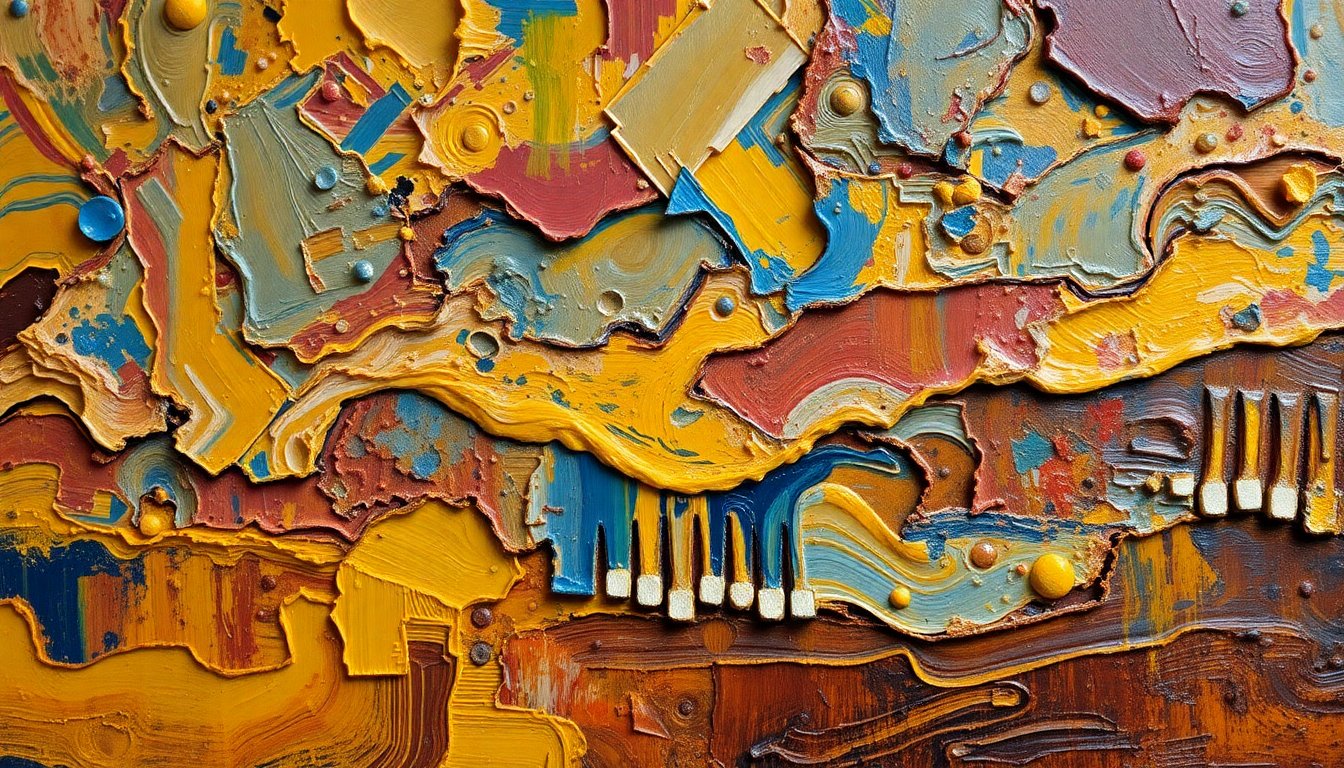
Today, landscape oil paintings come in every style you can imagine. Some artists use thick, sculpted paint; others go for dreamy washes of color. There’s no single way to do it. In fact, some of the most exciting work comes from artists who mix old techniques with new ideas. If you think landscapes are just rolling hills and sunsets, think again. Artists like David Hockney use bold colors and wild perspectives to shake things up. The lesson? There’s room for your voice, too.
What Makes a Great Landscape Oil Painting?
Here’s where things get real. A great landscape oil painting isn’t just about skill. It’s about feeling. The best paintings make you want to step inside them. They use color, light, and texture to pull you in. Want to try it yourself? Start with these tips:
- Pick a scene that means something to you. Don’t just copy a photo—find a place that stirs you up.
- Play with color. Don’t be afraid to exaggerate the blues in the sky or the gold in the grass.
- Use texture. Thick paint can make clouds feel heavy or grass feel rough.
- Keep it loose. Sometimes, a few bold strokes say more than hours of tiny details.
If you’ve ever felt intimidated by a blank canvas, remember: every artist starts somewhere. The only way to find your style is to make mistakes and keep going.
Who Should Collect or Create Landscape Oil Paintings?
This isn’t for everyone. If you want quick results or perfect realism, you might get frustrated. But if you love color, mood, and the slow process of discovery, landscape oil paintings are for you. Collectors often say these paintings bring calm and energy to a room. Artists say they help them see the world in new ways. If you’re curious, start small. Buy a print, visit a gallery, or try painting your backyard. You might surprise yourself.
Common Mistakes and How to Avoid Them
Let’s break it down. Most beginners make the same mistakes:
- Using muddy colors. Mix your paints cleanly and wipe your brush often.
- Overworking details. Step back and squint—does it feel right?
- Ignoring light. Notice where the sun hits and where shadows fall.
- Forgetting emotion. Ask yourself: what do I want people to feel?
Here’s why these matter: a painting that’s technically perfect but emotionally flat won’t stick with anyone. The best landscape oil paintings make you feel something, even if the trees are a little crooked.
How to Start Your Own Journey
If you’ve ever wanted to try painting, now’s the time. You don’t need fancy supplies. Grab a small canvas, a few tubes of oil paint, and a brush. Go outside, or look out your window. Paint what you see, but more importantly, paint what you feel. Don’t worry about getting it right. The joy is in the process. And if you’re collecting, trust your gut. Buy what moves you, not what’s trendy.
Final Thoughts: The Power of Color and Time
Every landscape oil painting is a time capsule. It holds a moment, a mood, a memory. Whether you’re painting or collecting, you’re joining a tradition that stretches back centuries. The world changes, but the need to capture its beauty stays the same. If you’ve ever stood in front of a painting and felt your heart skip, you know what I mean. That’s the real power of landscape oil paintings—connecting us, across time and color, to the world and to each other.