
Picture this: you’re standing in a sunlit attic, dust motes swirling, when you spot a canvas propped behind a trunk. The paint is cracked, the colors deep and mysterious. You brush off the cobwebs and realize you’re holding a vintage oil painting—something that’s survived decades, maybe centuries, of shifting tastes and family moves. If you’ve ever felt the thrill of discovery in a forgotten corner, you already know the magic vintage oil paintings can bring to a space.
Why Vintage Oil Paintings Still Matter
Let’s be honest—most of us scroll past endless digital images every day. But vintage oil paintings stop us in our tracks. They’re not just pretty pictures. They’re time capsules. Each brushstroke holds a story, a mood, a moment from another era. If you’ve ever wondered why people still hunt for these treasures, here’s why: vintage oil paintings connect us to the past in a way nothing else can.
Think about it. A painting from 1920 might have hung in a Parisian café, watched lovers quarrel, or survived a world war. When you hang it in your living room, you’re not just decorating—you’re inviting history in. That’s the part nobody tells you: vintage oil paintings aren’t just art. They’re living memories.
What Makes a Painting “Vintage”?
Here’s where things get interesting. Not every old painting counts as vintage. Most collectors agree that “vintage” means at least 20 to 100 years old, but not quite antique. The sweet spot? Paintings from the late 19th to mid-20th century. These works often feature bold colors, expressive brushwork, and subjects that feel both familiar and mysterious.
Let’s break it down:
- Age: Usually 20-100 years old
- Medium: Oil on canvas, wood, or board
- Style: Impressionist, post-impressionist, early modern, or even folk art
- Condition: Some wear is expected—think patina, not damage
If you’re after that “lived-in” look, vintage oil paintings deliver. They’re not for perfectionists. They’re for people who love a little mystery and character.
How to Spot Authentic Vintage Oil Paintings
Ever bought something online, only to realize it’s a cheap print? You’re not alone. Spotting real vintage oil paintings takes a sharp eye and a few tricks. Here’s what to look for:
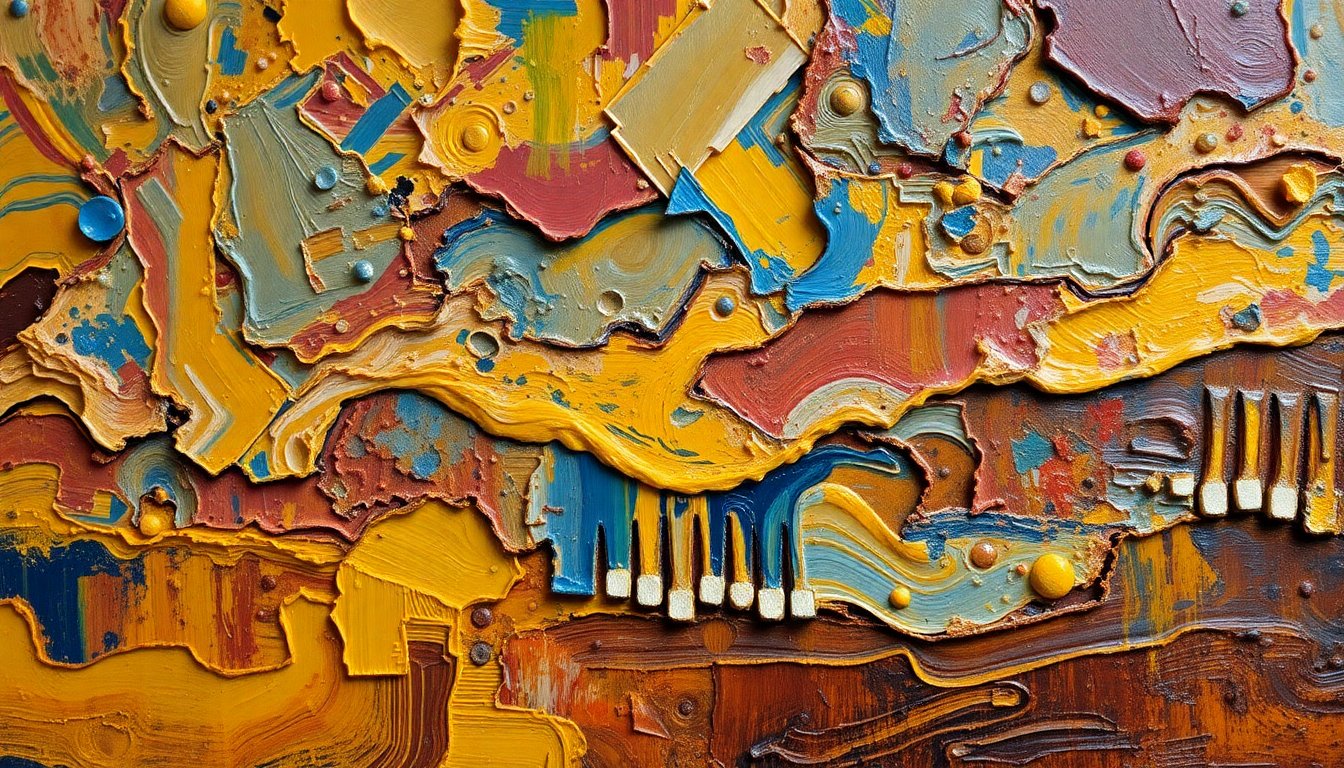
- Texture: Run your fingers gently over the surface. Real oil paint leaves ridges and valleys. Prints feel flat.
- Back of the Canvas: Flip it over. Vintage canvases often show age—yellowing, brittle edges, or old stamps.
- Signature: Many artists signed their work, but not always. Don’t let a missing signature scare you off.
- Frame: Original frames can be a clue. Look for hand-carved wood, old nails, or labels from long-gone galleries.
Here’s the part nobody tells you: sometimes the best vintage oil paintings are unsigned, a little battered, and totally unique. If you’re only chasing famous names, you’ll miss out on hidden gems.
Why Vintage Oil Paintings Feel Different
Let’s get real. You can buy a mass-produced print for twenty bucks. But it won’t make your heart skip a beat. Vintage oil paintings have a presence. The colors shift with the light. The brushstrokes catch your eye from across the room. There’s a reason designers and collectors obsess over them—they make a space feel alive.
Here’s why:
- Depth: Oil paint creates layers you can almost dive into.
- Imperfection: Tiny cracks, faded corners, and old varnish tell a story.
- Uniqueness: No two vintage oil paintings are the same. You’re not just buying art—you’re buying a one-of-a-kind experience.
If you’ve ever struggled to make a room feel “finished,” try hanging a vintage oil painting. It’s like flipping a switch. Suddenly, the space feels intentional, collected, and full of personality.
How to Choose the Right Vintage Oil Painting for You
Feeling overwhelmed? You’re not alone. The world of vintage oil paintings is huge. Here’s how to narrow it down:
- Trust Your Gut: If a painting makes you pause, there’s a reason. Don’t overthink it.
- Size Matters: Measure your wall. A tiny painting can get lost, while a huge one can dominate a room.
- Color Palette: Look for colors that work with your space—or go bold and let the painting set the tone.
- Subject: Landscapes, portraits, still lifes—pick what speaks to you. There’s no right answer.
Here’s a mistake I made: I once bought a moody seascape that looked amazing online. In person, it felt gloomy and out of place. Lesson learned—always try to see vintage oil paintings in person, or ask for lots of photos in different lighting.
Where to Find Vintage Oil Paintings
Ready to start your hunt? You’ve got options:
- Estate Sales: Early mornings, strong coffee, and a little luck can lead to big finds.
- Antique Shops: Prices can be higher, but you get to see the art up close.
- Online Marketplaces: eBay, Etsy, and 1stDibs have thousands of vintage oil paintings. Just watch out for reproductions.
- Auctions: Local auction houses sometimes have hidden treasures at reasonable prices.
If you’re new to collecting, start small. Buy what you love, not what you think will impress others. The best collections grow over time, one painting at a time.
How to Care for Your Vintage Oil Paintings
So you’ve found the perfect piece. Now what? Vintage oil paintings need a little TLC. Here’s how to keep them looking their best:
- Avoid Direct Sunlight: UV rays can fade colors and crack paint.
- Keep Away from Heat and Moisture: No bathrooms or above radiators.
- Dust Gently: Use a soft, dry brush or microfiber cloth.
- Frame It Right: A good frame protects the edges and adds style.
- Consult a Pro: If you spot flaking paint or mold, call a conservator. Don’t try to fix it yourself.
Here’s the part nobody tells you: sometimes, a little wear adds to the charm. Don’t stress over every tiny flaw. Vintage oil paintings are survivors—they’ve made it this far.
Who Should (and Shouldn’t) Buy Vintage Oil Paintings?
If you love stories, history, and a little mystery, vintage oil paintings are for you. They’re perfect for people who want their homes to feel layered and personal. But if you need everything to match perfectly, or you can’t stand a little imperfection, you might be happier with modern prints.
Collectors, designers, and anyone craving a sense of connection to the past will find joy in vintage oil paintings. If you’re just looking for cheap wall art, these might not be your best bet.
Final Thoughts: The Timeless Allure
Here’s what I’ve learned: vintage oil paintings aren’t just decorations. They’re invitations to slow down, look closer, and imagine the lives that came before us. Every time you walk past one, you get a little reminder that beauty—and history—can live right on your walls.
If you’re ready to start your own collection, trust your instincts, embrace the quirks, and let vintage oil paintings bring a little magic into your everyday life. Next steps? Start looking. The perfect piece might be waiting in the next attic, auction, or antique shop you visit.