Surgical tech training programs introduce students to operating room skills, patient safety, and sterile technique. They teach instrument handling, surgical procedures, and teamwork. Readers learn what programs cover and how to pick the right option.
Key Takeaways
- Surgical tech training programs teach operating room skills, sterile technique, instrument handling, and teamwork to prepare students for real clinical roles.
- Choose between certificate, diploma, or associate degree options by matching program length, clinical hours, and career goals to your timeline and advancement plans.
- Compare admissions requirements, program pass and job placement rates, clinical partnerships, and scheduling flexibility when evaluating surgical tech training programs.
- Earn certification—typically the NBSTSA CST—after completing an accredited program to improve hiring prospects and meet state or employer credential expectations.
- Assess program costs, financial aid, and local salary outlooks so you can balance time-to-completion, tuition, and expected job opportunities before enrolling.
What Surgical Tech Programs Cover And Who They’re For
Surgical tech training programs teach students to assist surgeons, maintain sterile fields, and prepare instruments. Programs cover anatomy, surgical instruments, infection control, and perioperative procedures. They also include patient safety, communication, and documentation. Students learn to set up the operating room, pass instruments, and handle specimens.
They suit people who want hands-on work in hospitals and clinics. They suit those who prefer technical tasks and team roles. They suit career changers, recent high school graduates, and allied health workers who want a clear career path. Some students seek quick entry into the workforce. Others plan to continue education in nursing or allied health.
Types Of Surgical Tech Programs: Certificate, Diploma, And Degree Options
Certificate programs focus on core skills and theory. They often run for 6 to 12 months. Diploma programs provide similar content with added clinical time. They usually run for 9 to 15 months. Degree programs offer broader healthcare education and general education courses. They typically run for 2 years for an associate degree.
Employers hire graduates from certificates, diplomas, and degrees. Certificate graduates enter the workforce quickly. Degree graduates may access more advanced roles and transfer credits to other health programs. Each program type balances time, cost, and depth of study. Prospective students should match program type to career goals.
Admissions Requirements And How To Choose The Right Program
Programs typically require a high school diploma or GED. They may require background checks, immunizations, and drug screening. Some programs require a basic life support (BLS) card. Programs may ask for prerequisite courses in biology or anatomy.
Applicants should compare program length, clinical hours, and pass rates. They should review graduate job placement rates and employer ties. They should visit campuses and talk to instructors. They should consider scheduling needs and costs. They should choose programs with clear clinical partnerships and strong student support.
Core Curriculum And Clinical Training Components
Programs split time between classroom instruction and clinical practice. Classroom work covers anatomy, pharmacology, and sterile technique. Clinical work provides real operating room experience under supervision. Students practice instrument handling, wound care, and patient positioning.
Essential Skills And Competencies Taught
Students learn instrument recognition, surgical counts, and sterile draping. They learn infection control and patient identification. They learn teamwork and communication in fast-paced settings. They learn to follow surgeon requests and anticipate needs.
Clinical Rotations, Labs, And Simulation Experiences
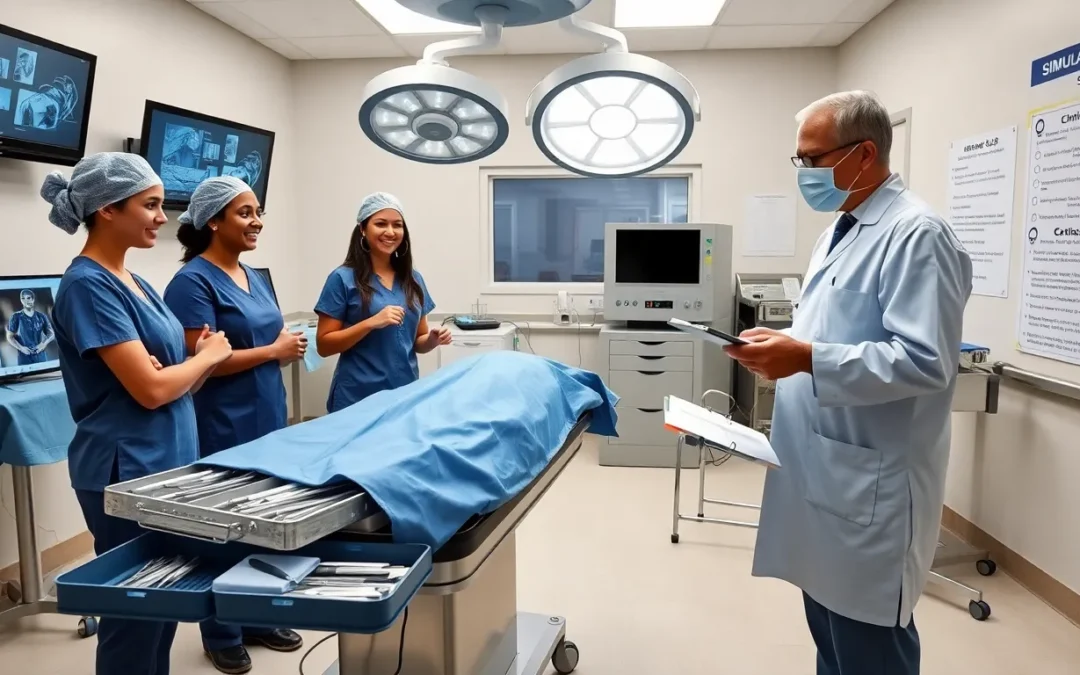
Programs schedule clinical rotations in hospitals and outpatient centers. Labs provide simulated operating rooms for practice. Simulation allows students to rehearse rare events and emergency responses. Clinical rotations let students work with surgical teams and handle real cases under supervision. Instructors evaluate skill performance and professional behavior.
Certification, Credentialing, And State Requirements
Certification increases job prospects and shows competency. States and employers often prefer certified techs. Certification requires program completion and passing an exam.
National Certification Exams And Eligibility
The National Board of Surgical Technology and Surgical Assisting (NBSTSA) offers the Certified Surgical Technologist (CST) exam. Candidates must complete an accredited program or meet military or equivalent experience requirements. Candidates register, take the exam, and report results to employers.
State Licensure, Registration, And Employer Expectations
Some states require registration or licensure for surgical techs. Employers may set credential requirements above state rules. Employers expect clean criminal records, current immunizations, and professional conduct. They expect technical skills, documentation accuracy, and teamwork.
Program Outcomes: Job Placement, Career Paths, And Salary Expectations
Programs report job placement rates to show graduate success. Higher placement rates indicate strong employer relationships and effective training. Graduates enter hospital surgery, outpatient surgery centers, and physician offices.
Typical Career Settings And Advancement Opportunities
Graduates work in general surgery, orthopedics, and specialty teams such as cardiovascular or neurosurgery. They work in teaching hospitals and ambulatory centers. Techs may advance to lead surgical tech, educator, or surgical first assistant with extra training. Some techs move into nursing, healthcare administration, or medical sales.
Average Salaries And Job Market Outlook
Pay varies by region, experience, and facility type. Median wages for surgical techs reflect stable demand. Job openings remain steady due to surgical volume and aging populations. Employers often offer shift differentials, benefits, and overtime. Graduates should research local salary ranges and demand before enrollment.
Program Length, Costs, And Financial Aid Options
Program length varies by credential and schedule. Certificate programs run 6 to 12 months. Diploma programs run 9 to 15 months. Associate degrees run about 2 years. Night, weekend, and hybrid schedules exist for working students.
Typical Program Duration And Scheduling Formats
Full-time programs deliver faster completion. Part-time programs stretch timelines for students who work. Hybrid programs combine online theory with in-person labs and clinicals. Programs list schedules and expected clinical hours in their catalogs.
Tuition, Fees, And Financial Aid/Scholarship Resources
Tuition varies by school type and program length. Public community colleges usually cost less than private schools. Students should factor fees for uniforms, supplies, background checks, and exams. Financial aid options include federal grants, loans, and work-study. Schools and foundations offer scholarships for surgical tech students. Employers sometimes offer tuition reimbursement for employees who commit to work after graduation.