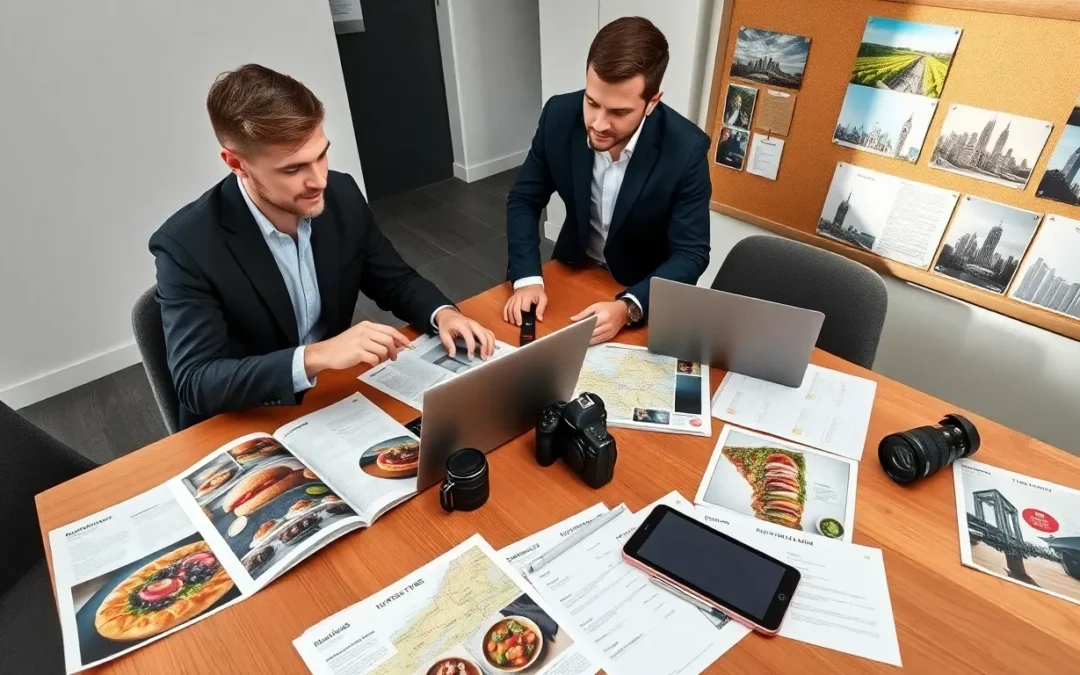
A food and travel magazine informs readers about food, places, and culture. It offers reporting, reviews, and practical guides. Editors set tone and scope. Writers and photographers gather facts and craft stories for readers.
Key Takeaways
- Define a clear reader profile (age, budget, interests) to guide every editorial decision for your food and travel magazine.
- Build repeatable content pillars—longform guides, short reviews, and visual stories—to create evergreen SEO assets and seasonal updates.
- Verify facts, prices, and permissions on every assignment and update online pieces when details change to protect credibility.
- Optimize formats and cadence for your audience by mixing daily short pieces with weekly or monthly longform, and repurpose updated guides across print, web, and app.
- Monetize transparently with ads, sponsored content, and affiliates while keeping editorial judgment separate and disclosing conflicts to maintain reader trust.
What A Food And Travel Magazine Covers
A food and travel magazine covers cuisine, destinations, and local customs. It profiles restaurants and street food. It explains how to get to a market and what to order. It compares food scenes across cities and regions. It reports on chefs, producers, and suppliers. It highlights seasonal menus and festivals. It maps routes for food-focused trips. It lists packing tips and dietary notes for travelers. It covers safety, budgeting, and timing. It blends practical advice with cultural context so readers can plan trips and meals.
Defining Your Audience And Niche
Editors define the audience for a food and travel magazine by age, budget, and interest. They ask who will read print or click online. They choose luxury, budget, family, or solo travel angles. They select culinary themes such as street food, fine dining, or regional specialties. They test niches with social posts and newsletters. They measure reader response and refine focus. They keep a clear reader profile for editorial decisions. They ensure each piece serves a known reader need.
Content Pillars And Feature Types
A food and travel magazine builds content around repeatable pillars. Each pillar supports features that attract regular readers and search traffic.
Signature Stories: Longform, Guides, And Lists
Editors commission longform narratives to explain traditions or tell chef stories. They publish destination guides with maps and budgets. They list top dishes, markets, and neighborhoods. They craft broad guides that serve as evergreen SEO assets. They update guides when prices or routes change.
Short-Form Content: Reviews, Profiles, And Timelines
Writers produce short reviews for restaurants and hotels. They write quick profiles of artisans and vendors. They assemble timelines for food trends and festival dates. They publish rapid content to match travel seasons and menu changes. They keep reviews direct and fact-based to build trust.
Visual Storytelling: Photography, Video, And Layout
A food and travel magazine uses visuals to convey taste and place. Photographers shoot food close-up and streetscapes wide. Editors choose bright, natural light for food shots. They frame images to show scale and texture. They commission short videos for recipes, markets, and tours. They use simple captions to add context. They design layouts that guide the eye and support scanning. Designers place callouts for tips and prices. They balance images and text to keep pages readable and fast to load on the web.
Practical Reporting: Research, Sourcing, And Fact-Checking
Reporters verify restaurant names, menu items, and hours. They confirm prices and transit times. They cite sources such as official sites, guidebooks, and local contacts. They document quotes and permissions for photos. They fact-check historical and cultural claims with experts. They update online pieces when facts change.
Writer And Photographer Workflow Best Practices
Editors set clear briefs for each assignment. They list the angle, key facts, and photo needs. Writers send drafts with sourcing notes. Photographers tag images with location and subject. Teams sync files to a shared folder. Editors review text and images in one pass. They schedule revisions and set firm deadlines.
Distribution, Formats, And Publication Cadence
A food and travel magazine chooses print, web, or app formats based on audience habits. It adapts features to each format. Print allows longform and curated photography. Web allows searchable guides and rapid updates. Apps enable maps and notifications. Teams set a publication cadence that matches resources and reader demand. They publish daily short pieces for news and weekly or monthly long pieces. They republish updated guides each season. They push headlines via newsletters and social platforms. They test formats and adjust frequency to keep readers engaged.
Monetization, Partnerships, And Ethical Considerations
A food and travel magazine earns revenue from ads, sponsored content, and subscriptions. It builds partnerships with tourism boards, restaurants, and brands. It offers affiliate links for bookings and gear. It sells prints and guides. It keeps clear disclosure for sponsored pieces. It separates editorial judgment from commercial deals. Editors use a simple policy for gifts and free trips. They require transparency in bylines and notes. They avoid reviews for partners without clear labeling. They maintain reader trust by reporting facts and noting conflicts.
Metrics, Reader Engagement, And Iterating Content
Editors track pageviews, time on page, and conversion rates for a food and travel magazine. They measure newsletter open rates and social shares. They run A/B tests for headlines and images. They use comments and surveys to gather reader input. They monitor search queries to find new guide topics. They update pieces that show steady interest. They remove or merge content that underperforms. They set monthly goals and report results to the team. They adapt the editorial plan based on clear data and reader feedback.