Art has always depended on access. People discover paintings, photography, sculpture and design through museums, galleries, books, studios and public spaces. Digital galleries have added another layer to that experience, making it easier for audiences to explore creative work from home, across borders and at their own pace. For artists and viewers alike, this shift is changing how art is found, shared and understood.
Online Spaces Lower the Entry Barrier
Traditional galleries can be inspiring, but they are not always easy to reach. Location, opening hours, travel costs and unfamiliar gallery culture can make art feel distant for some audiences. Digital galleries reduce many of these barriers by allowing people to browse collections from a laptop or phone.
This does not replace the feeling of standing in front of a physical artwork. It simply creates more entry points. Someone who might not visit a gallery in person can still discover an artist online, read about their process and begin forming a connection with the work.
Digital access helps:
- First-time art viewers explore without pressure
- Regional audiences discover artists from other areas
- Students research styles and movements more easily
- Collectors compare work before visiting in person
- Artists reach audiences outside their local networks
The result is a more open art ecosystem, where discovery is not limited to one city or institution.
Artists Can Build Their Own Visibility
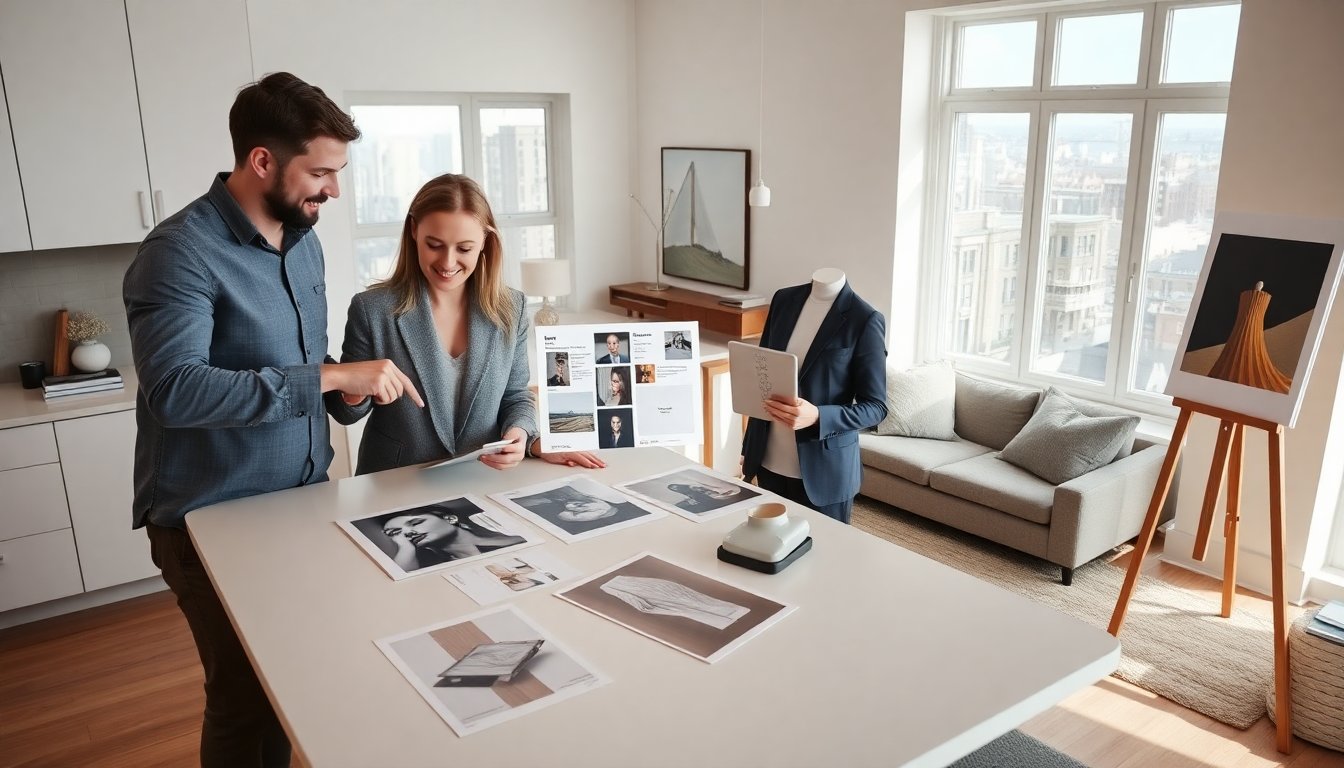
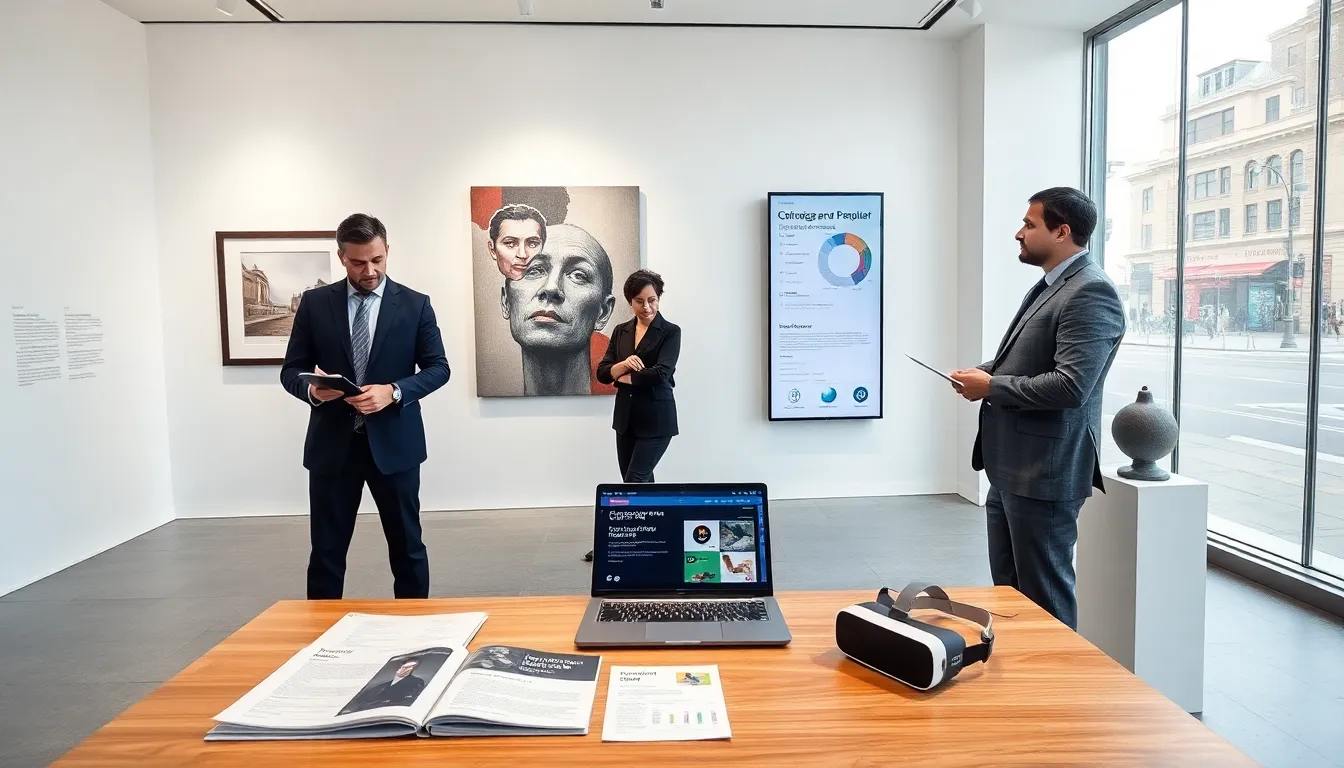
Digital galleries also give artists more control over presentation. Instead of relying only on physical exhibitions, artists can create online portfolios, virtual shows and archive pages that introduce their work clearly.
This matters because an artist’s digital presence often becomes the first point of contact. A curator, buyer or writer may search online before arranging a studio visit. A clean digital gallery can show not only finished pieces, but also themes, materials, scale and development over time.
A strong online art presence may include:
- High-quality images
- Clear artwork titles and dimensions
- Short artist statements
- Exhibition history
- Contact or enquiry options
Good presentation does not need to be overly commercial. It should make the work easier to understand and remember.
Digital Viewing Changes How People Browse
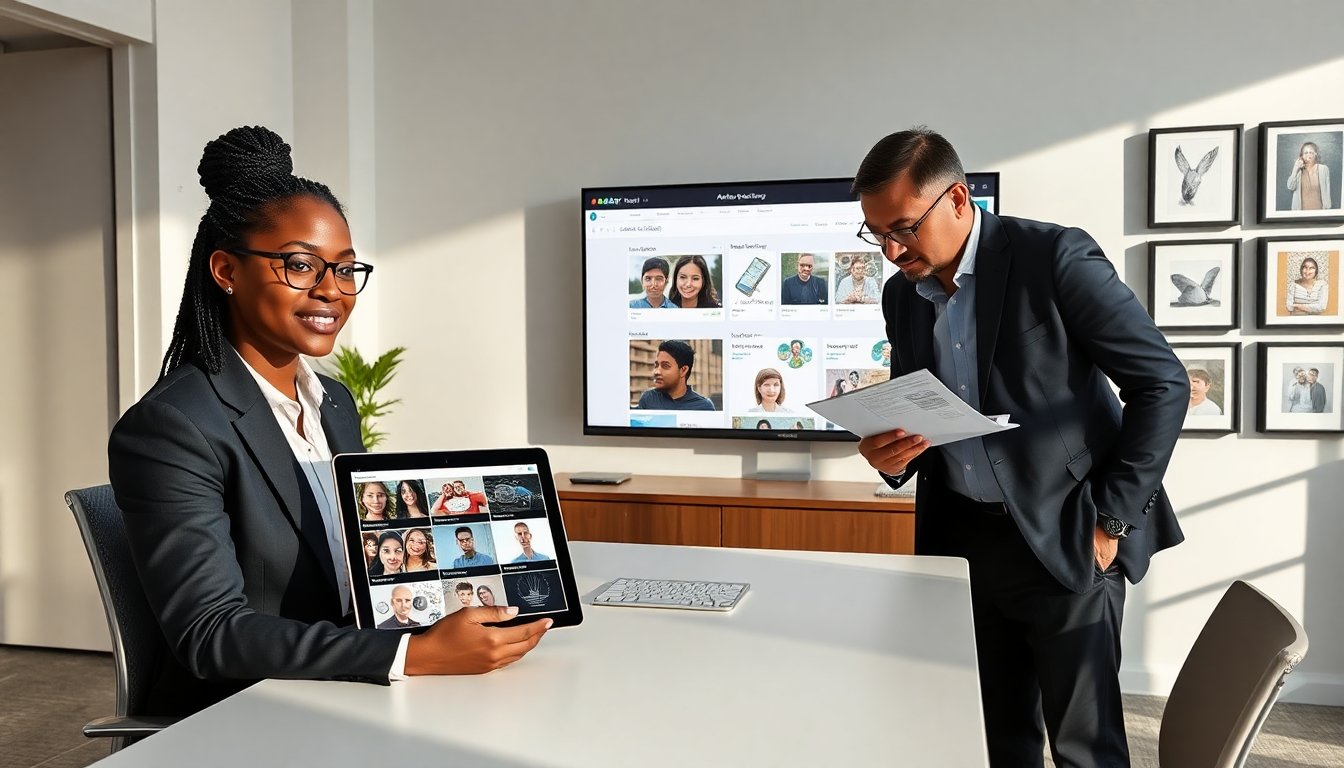
Online art viewing is different from walking through a gallery. In person, the body moves through space. The viewer notices scale, texture and distance. Online, browsing is faster and more selective. People may zoom into details, compare works in tabs or move quickly between artists.
This creates both opportunities and challenges. Artists and galleries need to think carefully about image quality, page layout and written context. A poorly photographed artwork can lose impact online. A cluttered page can distract from the work itself.
Digital galleries work best when they offer:
- Clean layouts
- Accurate image representation
- Detail views where possible
- Simple navigation
- Context that supports, rather than overwhelms, the artwork
The aim is to slow the viewer down just enough to pay attention.
Art Access Now Competes With Everyday Digital Habits
Digital galleries exist in the same online environment as streaming platforms, social media, shopping sites, educational tools and adult leisure platforms such as crazyvegas real money casino. This means art platforms must think seriously about user experience.
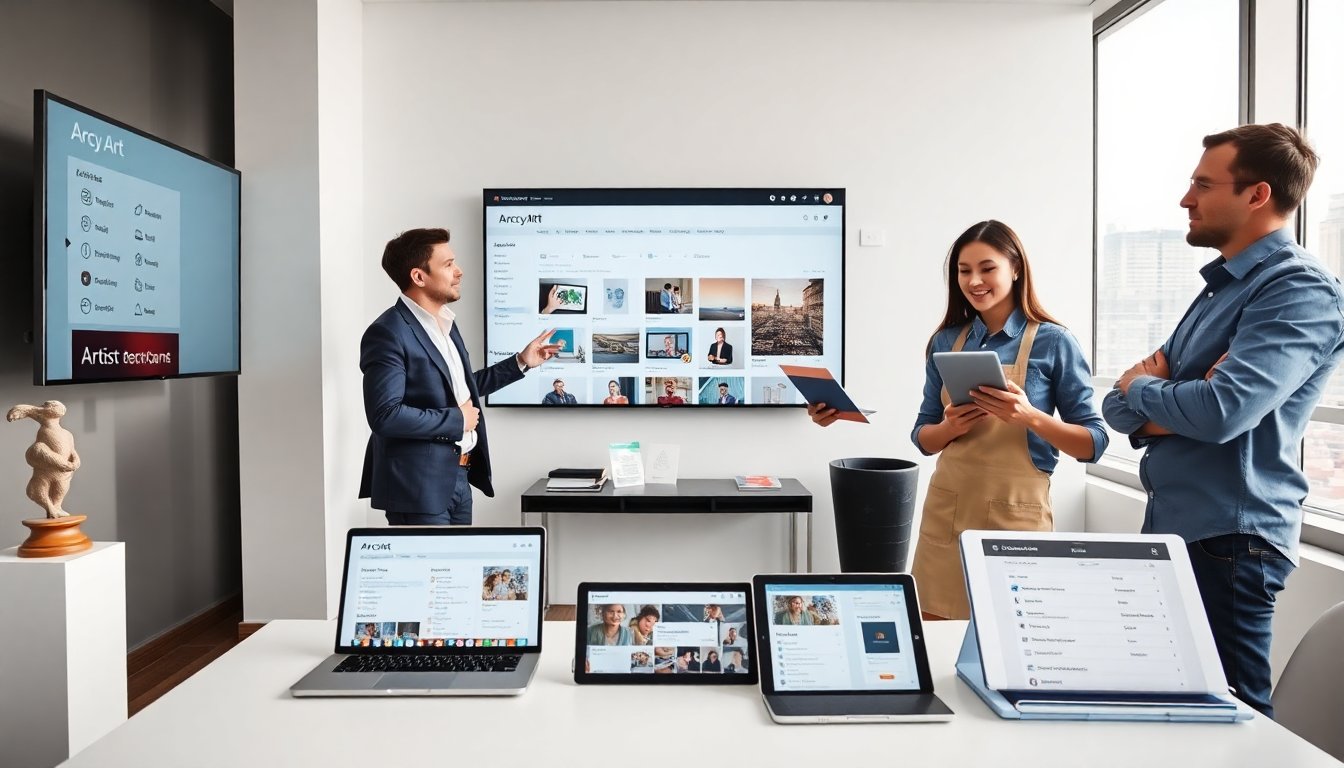
People are used to fast-loading pages, clear menus and responsive mobile design. If an art website is slow or confusing, visitors may leave before engaging deeply with the work. Good digital gallery design respects modern browsing habits without reducing art to disposable content.
Useful design choices include:
- Simple category filters
- Mobile-friendly image grids
- Clear artist profiles
- Easy search functions
- Fast page performance
Accessibility is not only about availability. It is also about making the experience comfortable and usable.
Education Becomes More Flexible
Digital galleries are especially valuable for art education. Teachers, students and casual learners can use online collections to compare styles, study movements and explore global perspectives. A classroom no longer needs to rely only on printed reproductions or local exhibitions.
Online platforms can support learning through essays, videos, interviews, virtual tours and curated collections. These resources help audiences understand not just what an artwork looks like, but why it matters.
Educational digital gallery features may include:
- Artist biographies
- Timeline tools
- Thematic collections
- Process videos
- Glossaries for techniques and materials
This kind of context helps make art less intimidating. Viewers can learn at their own pace and return to works more than once.
Physical Galleries Still Matter
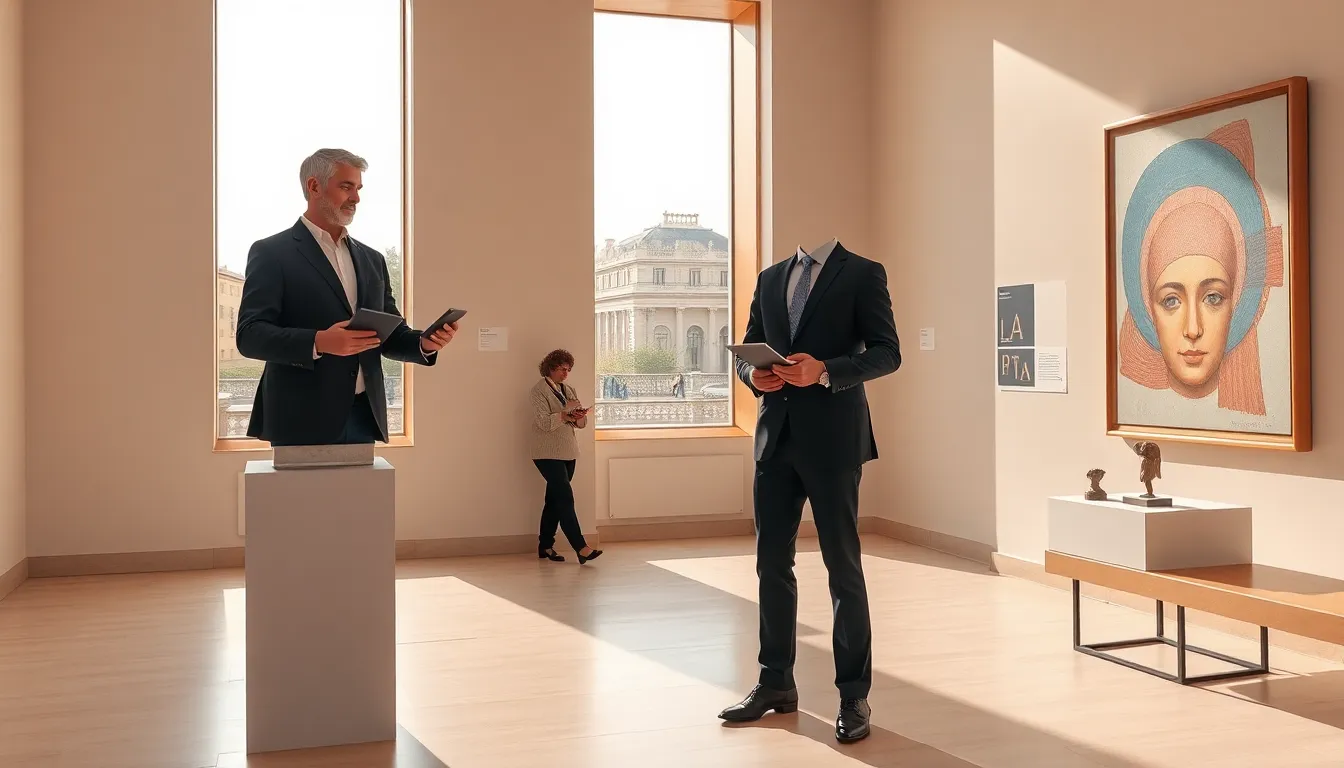
Digital access does not make physical galleries irrelevant. Seeing art in person offers scale, texture and atmosphere that a screen cannot fully reproduce. Instead, digital galleries often strengthen physical engagement by helping people decide what they want to see.
A visitor might discover an artist online, then attend an exhibition later. A collector might browse a digital catalogue before arranging a private viewing. A student might use online research to prepare for a museum visit.
The strongest future is likely a hybrid one. Digital galleries expand reach, while physical spaces deepen experience.
More Access Means More Possibility
Digital galleries are expanding art access by making discovery easier, broader and more flexible. They help artists present their work beyond local limits and help audiences engage with creativity in ways that fit modern life.
Art still benefits from quiet attention, thoughtful context and meaningful presentation. Digital platforms can support all of that when they are designed with care. As online galleries continue to evolve, they are not just changing where people see art. They are changing who gets invited into the conversation.