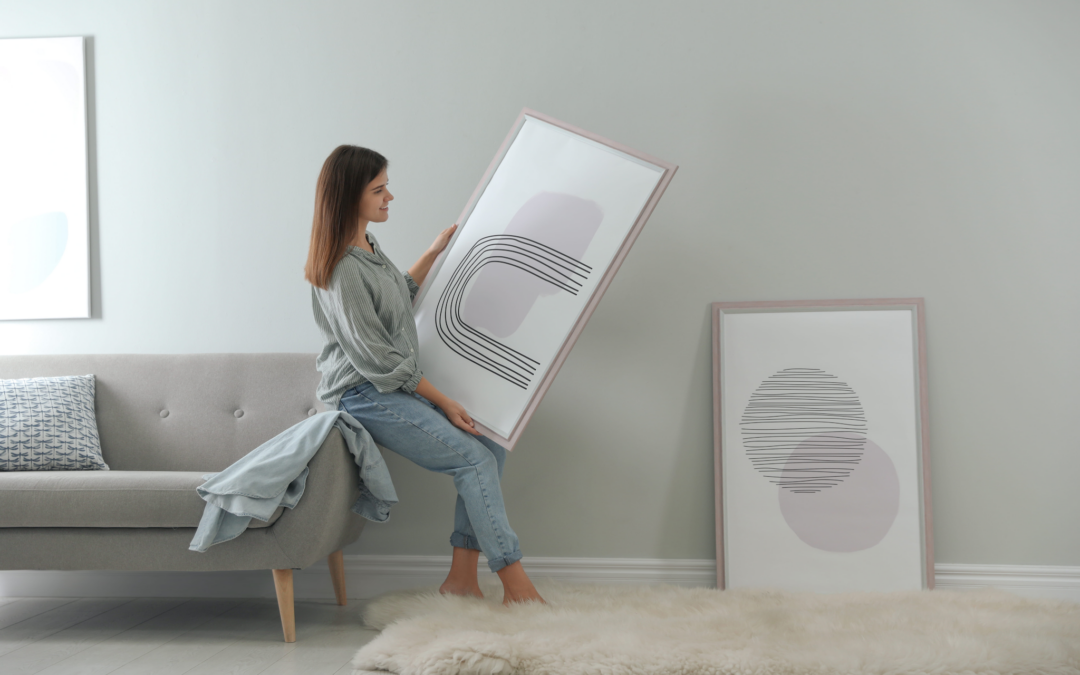
This shift reflects a broader movement within both interior design and contemporary art. Rather than selecting pieces solely for aesthetic compatibility, people are choosing artwork that reflects their experiences, relationships, memories, and personal interests. As a result, personalized art has emerged as a growing category within the modern home.
The trend can be seen across galleries, online marketplaces, and independent art platforms as consumers look for ways to bring personal narratives into their living spaces. This growing demand has also created opportunities for businesses that help individuals transform their own photographs and memories into artwork. Companies such as Paint Me Like have gained attention by offering creative ways for people to turn meaningful images into personalized art projects, reflecting the broader shift toward customization and self-expression in home décor.
As homeowners place greater value on authenticity and emotional connection, personalized artwork is becoming less of a niche concept and more of a defining feature of contemporary interior design.
The Decline of Mass-Produced Wall Art
For decades, mass-produced wall art dominated the home décor market. Affordable prints, generic landscapes, and trend-driven designs offered an easy solution for decorating a room. While these pieces remain popular, many homeowners are beginning to question their long-term appeal.
One reason is the growing awareness of how frequently these works appear across different homes, apartments, offices, and commercial spaces. A piece that once felt unique can quickly lose its impact when encountered repeatedly in catalogs, hotel lobbies, or social media posts.
As home design becomes increasingly personalized, generic artwork can sometimes feel disconnected from the people living with it. Contemporary design trends emphasize authenticity, individuality, and storytelling. In that context, art that carries personal meaning often feels more valuable than artwork selected solely for decorative purposes.
This doesn’t diminish the artistic merit of commercially available pieces, but it does highlight a changing expectation. Many homeowners now want their walls to reflect who they are rather than simply what style is currently popular.
The Emotional Power of Personalized Art
Art has always possessed the ability to evoke emotion. What makes personalized art particularly compelling is that the emotional connection already exists before the artwork is even created.
A painting inspired by a wedding photograph, a portrait of a beloved pet, a landscape from a memorable trip, or an image celebrating a family milestone carries significance beyond its visual qualities. The artwork becomes a vessel for memory and personal experience.
Psychologists have long recognized the relationship between physical environments and emotional well-being. Objects that remind us of meaningful experiences can reinforce positive memories and contribute to a stronger sense of belonging within a space. Personalized artwork naturally aligns with this principle because it transforms personal moments into permanent visual expressions.
This emotional component is one reason personalized art often becomes a conversation piece. Visitors are frequently drawn to works that have a story behind them, creating opportunities for homeowners to share experiences and memories through the art displayed in their homes.
The Rise of the Creator Homeowner
Today’s homeowners are more involved in shaping their living spaces than ever before. The growth of DIY culture, social media inspiration, and online design communities has encouraged individuals to take a more active role in the creative process.
Rather than relying exclusively on professional designers or retail trends, many people are curating homes that reflect their own tastes and experiences. This shift has given rise to what could be described as the “creator homeowner”—someone who views their home as an extension of their identity.
Personalized art fits naturally within this movement because it allows homeowners to participate directly in the creation of their décor. Whether commissioning a custom piece, selecting meaningful imagery, or engaging with creative projects based on personal photographs, individuals are becoming collaborators in the artistic process.
The result is often a more cohesive and authentic environment, where the artwork feels integrated into the homeowner’s story rather than imported from an external design trend.
Accessibility Is Changing the Art World
Historically, acquiring custom artwork was often viewed as expensive, intimidating, or inaccessible. Commissioning original pieces typically required relationships with artists, gallery connections, or substantial financial resources.
Digital platforms have dramatically changed this dynamic.
Today, artists and creative businesses can connect directly with consumers across the world. Online portfolios, marketplaces, and custom art services have reduced many of the barriers that previously separated creators from potential collectors.
This increased accessibility has expanded the definition of what it means to own personalized art. Homeowners no longer need to navigate traditional art institutions to acquire something unique and meaningful. Instead, they can explore a wide range of creative options tailored to their preferences, budget, and vision.
As customization becomes more common across industries, consumers are increasingly comfortable seeking products and experiences designed specifically for them. Personalized artwork is a natural extension of this broader cultural shift.
Personalized Art as a Statement Piece
Beyond its sentimental value, personalized art can also serve a powerful design function.
Large-scale custom works often become focal points within a room, anchoring the visual composition and guiding the overall aesthetic direction of the space. Because the imagery is inherently unique, these pieces frequently attract attention in ways that generic décor cannot.
A thoughtfully designed personalized artwork can create the same visual impact as a contemporary gallery piece while carrying additional layers of meaning for its owner. The combination of artistic presence and personal significance makes these works particularly effective in living rooms, entryways, offices, and other prominent areas of the home.
As contemporary interiors increasingly emphasize individuality, statement pieces that combine aesthetics with personal storytelling are becoming more desirable.
The Gifting Economy and the Demand for Meaningful Objects
The rise of personalized art is also connected to changing attitudes toward gift-giving.
Consumers are increasingly seeking gifts that feel intentional, memorable, and emotionally significant. Rather than purchasing generic products, many people want to give something that reflects a specific relationship, shared memory, or meaningful moment.
Personalized artwork fulfills this need exceptionally well. Because it is based on personal experiences or imagery, it becomes difficult to replicate or replace. This uniqueness elevates its perceived value beyond its physical form.
Whether celebrating anniversaries, weddings, birthdays, graduations, or memorials, custom artwork offers a level of thoughtfulness that resonates with recipients in a lasting way.
As consumers place greater emphasis on meaningful experiences and personal connections, the demand for personalized creative gifts is likely to continue growing.
What This Means for the Future of Home Décor
The future of home design appears increasingly centered on identity rather than uniformity.
While aesthetic trends will continue to evolve, the desire for spaces that reflect personal experiences is unlikely to diminish. Homeowners are becoming more selective about what they bring into their environments, prioritizing objects that carry significance and contribute to a larger narrative.
In this context, artwork serves a role that extends beyond decoration. It becomes a form of self-expression, a record of meaningful experiences, and a reflection of individual values.
Walls are no longer simply surfaces waiting to be filled. They have become opportunities to tell stories, preserve memories, and create environments that feel genuinely personal. As personalization continues to shape contemporary design, art will remain one of the most powerful mediums through which people define and communicate who they are.