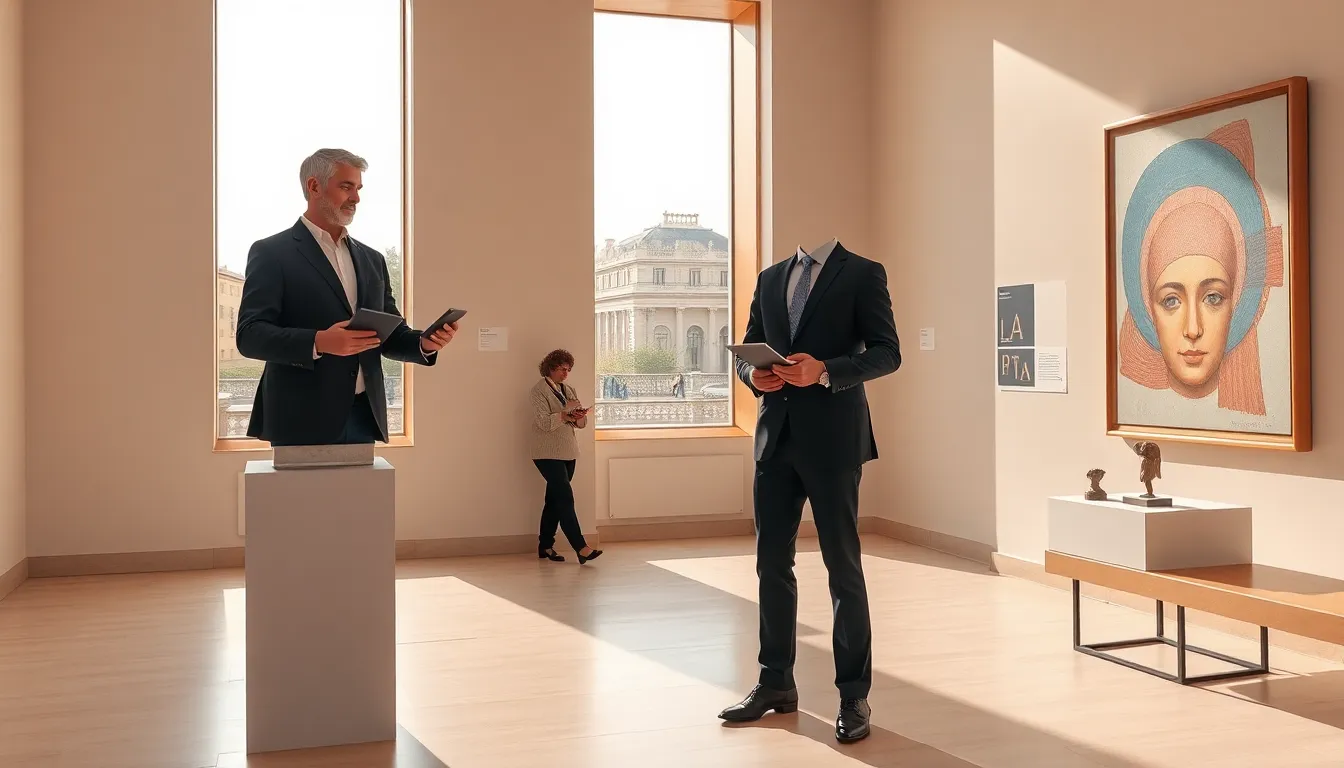

ArcyArt helps users find art history content quickly. The site serves images, timelines, and concise essays. Students, teachers, and researchers use ArcyArt for fast reference. The guide explains what ArcyArt offers and how to use it for study, teaching, and research.
Key Takeaways
- ArcyArt is a valuable online resource for quick access to curated art history images, timelines, and concise essays.
- Students, teachers, and researchers use ArcyArt to efficiently obtain visual references and key facts for study, teaching, and research.
- The platform’s clear organization and image-focused format support creating lesson materials and reviewing art movements effectively.
- ArcyArt serves as a starting point; users should verify attributions and citations with museum records and scholarly sources for accuracy.
- Its search tools allow finding content by artist, period, or work, making it easy to explore and export image references for citations.
- While ArcyArt speeds access to art history summaries, it may lack depth on contested details or latest scholarship, so cross-checking is essential.
What Is ArcyArt And Why It Matters To Art History
ArcyArt is an online platform that curates art history material. The site collects images, timelines, artist bios, and short analyses. Users find overview pages for movements, periods, and notable works. Scholars use ArcyArt to locate quick references and illustrations. Teachers use ArcyArt to build lesson visuals. Students use ArcyArt to review key facts and image attributions. The platform matters because it speeds access to curated visual and textual summaries. Many users prefer ArcyArt when they need clear snapshots before deeper research.
Key Features And Content Types On ArcyArt
ArcyArt divides content into clear types. The site lists timelines, exhibits, bios, image galleries, and essays. Each page includes citations when available. Users can search by artist, period, or work title. The interface displays thumbnails and short captions. The platform links to external museum records and catalogs when possible. ArcyArt updates pages to add images and references. The site keeps entries concise and image-focused. Educators find the concise format useful for slides and handouts.
How To Use ArcyArt For Study, Teaching, And Research
Students use ArcyArt to locate images and quick facts before deeper study. Teachers use ArcyArt to assemble slide decks and handouts quickly. Researchers use ArcyArt to find image leads and citation paths. Users should start with an overview page and then follow cited sources. The site supports basic searches by artist, period, and work. Users can export image references and note metadata for citations. For coursework, the platform helps students learn visual vocabulary and compare works. For research, ArcyArt can point to museum records and catalogs that require deeper verification.
Strengths, Limitations, And Best Practices When Relying On ArcyArt
ArcyArt provides fast visual access and compact summaries. The site saves time for quick overviews and teaching prep. ArcyArt limits depth on contested attributions and on archival documents. The platform may omit recent scholarship or niche monographs. Users should treat ArcyArt as a starting point rather than a final source. Best practice calls for cross-checking dates, attributions, and provenance with museum catalogs and peer-reviewed journals. Users should record original source links and verify image permissions before reuse.