
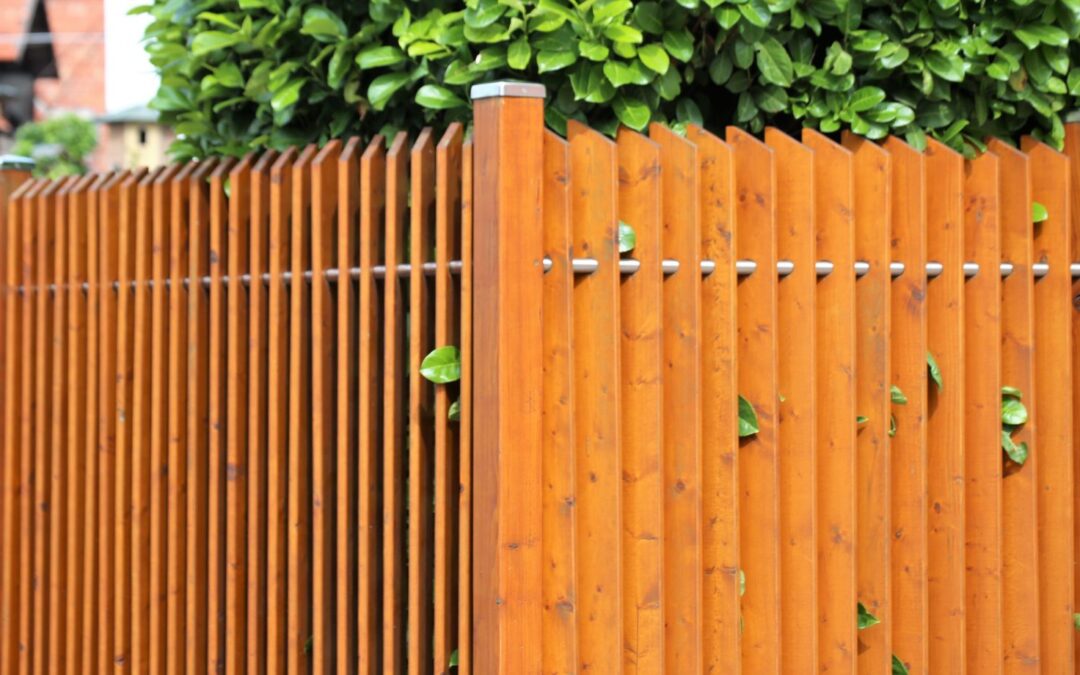
Fence material affects the installation price, privacy, visual weight, and long-term upkeep. A warm wood fence, an open chain link fence, and a solid steel panel fence can follow the same property line yet feel entirely different.
Comparing fence installation cost therefore means looking beyond a single price per linear foot to the material, layout, and site conditions.
What Determines the Cost to Install Fence Systems?
National pricing guides often express the average fence installation cost as an average cost per linear foot, commonly around $20 to $60. A quote presented per foot may fall below or above that range because several factors—including fence material, fence height, local labor costs, access, rocky soil, gates, and city permit fees—affect the work.
That broad national average is useful for early planning, but it cannot provide an exact number for an individual property. A straight fence line on level ground may be simpler to install than a fence that follows a slope, turns around landscaping, or requires several gates. Old fence removal can increase the scope further, especially when crews must extract concrete footings or carry dismantled sections through limited access. Removing an existing fence adds $3 to $5 per linear foot.
How Privacy and Site Requirements Shape the Choice
Solid materials increase privacy, while open materials preserve light and view A fence may recede into the landscape or become an architectural feature.
For most homeowners, the right choice balances:
- Desired privacy and security
- Fence cost and available budget
- Maintenance requirements
- Architectural style
- Fence height and layout
- Soil conditions and site access
- Gates and decorative details
These factors influence both the total price and the character of the finished boundary.
Fence Material Comparison at a Glance
| Fence material | Privacy potential | Visual character | Main cost drivers | Typical upkeep |
| Wood | Low to full, depending on board layout | Warm and natural | Wood species, height, board arrangement, posts, gates, and trim | Cleaning, finishing, and occasional repairs |
| Vinyl | Usually high with solid panels | Clean and uniform | Panel style, height, reinforcement, posts, and gates | Periodic cleaning |
| Steel panels | High | Modern and architectural | Panel system, finish, posts, gates, and installation method | Product- and finish-specific care |
| Chain link | Low without privacy inserts | Open and practical | Height, wire gauge, coating, posts, and gates | Coating and tension checks |
| Hog wire | Low | Open and garden-oriented | Panel size, wood framing, posts, and gates | Inspection of the frame and fasteners |
| Ornamental iron | Low | Formal and architectural | Panel design, height, finish, gates, and grade changes | Finish and corrosion checks |
These are general tendencies; site conditions, product quality, and installation requirements can change performance and cost.
How Wood Fence Cost Reflects Texture and Privacy
Wood grain and color variation can soften a property boundary and connect it with planting and exterior wood details.
Wood fences range from $10 to $45 per linear foot installed. Within that broad range, privacy fence cost depends on the wood type, board arrangement, fence height, fence posts, labor, and project details.
Wood selection is also regional. A cedar fence is common in residential settings across the Pacific Northwest, while redwood is more common around Sacramento. Cedar costs and redwood prices can vary with grade, board dimensions, availability, and post system. Pressure-treated pine may fall near the lower end in some markets, but two wood fences with the same height and layout may not be equivalent if these specifications differ.
Fence style also affects wood fence cost. A basic vertical fence may require fewer cuts and less labor than a horizontal design with carefully aligned boards. Taller fences require more materials and stronger support structures. A full wood privacy fence uses more material than an open picket fence. Custom gate installation, decorative caps, trim, and arbors can increase material costs and the overall installation cost. Adding a gate can cost between $300 and $1,400.
Wood may need periodic cleaning, staining, sealing, and repairs as it responds to moisture and sunlight. Its initial price should therefore be considered alongside future maintenance.
Homeowners comparing wood styles can consult experienced residential fencing professionals to understand how board direction, post systems, privacy needs, and local conditions may affect the design.
How Vinyl and Steel Panels Affect Privacy and Installation Cost
Vinyl privacy fencing creates a clean, consistent surface for properties where full screening is the main goal.
Vinyl fence installation commonly costs $30 to $60 per linear foot. The fence cost may change with panel style, fence height, posts, reinforcement, gates, and the complexity of the job.
Vinyl needs periodic cleaning but no staining or sealing. Its uniform appearance is more formal than natural wood.
Steel panel fencing creates a strong visual boundary. Steel fences cost between $17 and $90 per linear foot. The wide range reflects differences in panel systems, finishes, posts, installation methods, and design.
Solid metal panels create a modern, architectural boundary. Dark finishes contrast with planting, while lighter finishes can feel less visually heavy.
Open Materials for a New Fence: Chain Link, Hog Wire, and Ornamental Iron
A new fence does not need to form a solid wall; open designs can define the property while preserving light, views, and planting.
Chain link is often the most affordable option among the materials compared here. Chain link fence cost typically ranges from about $8 to $35 per linear foot installed. The price depends on height, coating, wire gauge, posts, gates, and labor.
Chain link can appear industrial, but black or green coatings and nearby planting help it recede into the landscape.
Wood-framed hog wire panels provide security while preserving views, combining natural texture with an open boundary.
Ornamental iron uses vertical pickets and decorative details to create a formal boundary without blocking views. It suits areas where visibility, curb appeal, and security matter more than complete screening.
Pricing varies with panel design, height, finish, post spacing, gates, grade changes, and installation requirements. Because wrought and ornamental systems differ, an estimate should identify the exact panel system and scope.
Planning a Fence Installation Project: Fence Height, Layout, and Site Conditions
The lowest cost does not automatically create the best result. Before they install a fence, homeowners should define what the fence project must accomplish and how each section of the boundary should function.
Solid backyard sections can provide privacy, while open front sections preserve views. Gates, slopes, corners, and material transitions affect post placement, hardware, labor, and appearance.
Architectural fit also matters: cedar or redwood can add natural texture; horizontal wood and steel panels create a contemporary line; chain link and hog wire preserve views; ornamental iron provides a formal, open edge.
An online calculator can help establish a preliminary budget, but a dependable estimate requires confirmed measurements, material and post specifications, gate locations, grade changes, access conditions, and a review of the existing fence. Through professional fence design and installation, homeowners can compare materials, understand labor and site requirements, and shape the project around both practical needs and visual preferences.
What to Compare in Fence Installation Estimates
When comparing fence contractors, homeowners should confirm that every estimate covers the same scope. Hidden costs can add 10–20% to total project cost. Each estimate should specify:
- Total linear footage and fence height
- Exact material, grade, panel system, and post type
- Number, size, and hardware specifications of gates
- Removal and disposal of the existing fence
- Concrete, grading, and other site preparation
- Finishes, coatings, trim, and decorative details
- Permit-related responsibilities
- Cleanup and applicable warranty terms
The amount homeowners pay for a fence reflects its material, privacy level, design, and installation quality—not only the number of feet along the boundary. A thoughtful choice makes the fence feel like part of the property rather than an afterthought.