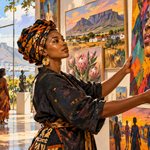
For fine artists working in developing art markets, the path to growth has historically been steep. Limited access to formal art education, few local galleries, scarce mentorship, and geographic isolation from major cultural hubs have all posed significant barriers. But the digital revolution is rewriting that story. E-learning has emerged as a powerful equalizer, giving artists in emerging economies the tools, knowledge, and connections once reserved for those in established art capitals.
Whether you’re a painter in Lagos, a sculptor in Manila, or a digital illustrator in São Paulo, online learning can transform both your craft and your career. Here are practical e-learning strategies fine artists in developing markets can use to thrive.
Build a Strong Technical Foundation
Mastery of fundamentals separates hobbyists from professionals, yet formal art schooling remains inaccessible to many. Fortunately, the internet is overflowing with high-quality instruction. Platforms like Coursera, Skillshare, and Domestika host courses taught by working professionals covering everything from color theory and anatomy to oil painting and digital rendering.
The key is to approach these resources with structure rather than randomly hopping between tutorials. Design a personal curriculum. Start with drawing fundamentals, progress to composition and color, then specialize in your chosen medium. Set weekly goals and complete assignments as if you were enrolled in a formal program. This disciplined approach builds genuine skill rather than surface-level familiarity.
Many institutions now offer free or low-cost resources as well. The Metropolitan Museum of Art provides extensive online access to its collection and educational materials, allowing artists anywhere to study masterworks in detail and understand the techniques of the great painters throughout history.
Develop Business and Marketing Skills
Artistic talent alone rarely sustains a career. In developing markets, where formal art infrastructure may be thin, artists must often be their own agents, marketers, and business managers. E-learning fills this gap beautifully.
Online courses in entrepreneurship, social media marketing, photography, and pricing strategy are essential for artists hoping to sell their work. Learning to photograph your art professionally, write compelling artist statements, and market yourself across platforms can dramatically expand your reach and income.
This entrepreneurial mindset is worth cultivating early. In fact, foundational digital and creative skills are increasingly being introduced at younger ages, with quality middle school online programs helping students blend artistic exploration with practical technology skills. Artists who develop both creative and business competencies position themselves for lasting success rather than fleeting recognition.
Leverage Global Communities and Feedback
One of the greatest challenges for isolated artists is the absence of critique and community. In major art centers, feedback flows naturally through schools, galleries, and peer networks. E-learning platforms and online communities replicate this vital exchange.
Join online forums, Discord servers, and social media groups dedicated to your medium or style. Platforms like ArtStation, Behance, and Reddit’s art communities offer spaces to share work, receive constructive criticism, and connect with peers worldwide. Regularly posting your work and thoughtfully engaging with others accelerates growth in ways solo practice never could.
Many artists also find mentorship through these channels. A generous professional halfway around the world might offer guidance that reshapes your entire trajectory. The relationships built in these communities often prove as valuable as the technical lessons themselves.
Study Art History and Theory
Great artists are informed artists. Understanding art history, movements, and theory enriches your work and situates it within a broader cultural conversation. This knowledge also helps you articulate your practice to collectors, curators, and grant committees, an increasingly important skill as you professionalize.
Free resources abound. Khan Academy offers comprehensive art history courses, while countless museums and universities have digitized lectures and collections. Immersing yourself in the evolution of artistic thought helps you find your own voice and understand where your work fits in the ongoing story of art.
For artists in developing markets, studying both global and local art traditions is especially powerful. Blending international techniques with indigenous aesthetics and cultural narratives can produce distinctive, market-differentiating work that stands out on the world stage.
Master Digital Tools and New Media
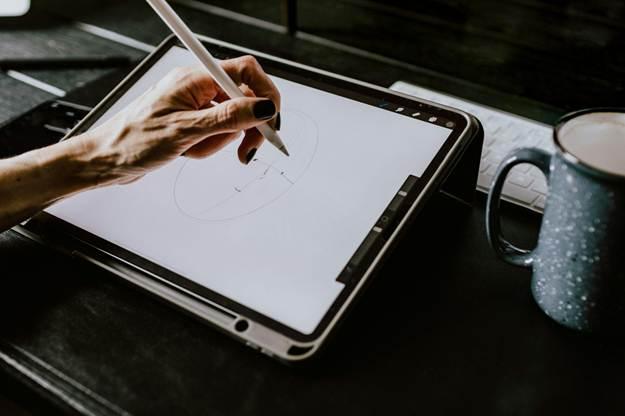
The definition of fine art continues to expand. Digital painting, 3D modeling, animation, and even AI-assisted creation are opening new markets and revenue streams. For artists in developing economies, digital media offers a particularly accessible entry point, requiring only a computer or tablet rather than expensive studio space and materials.
Invest time in learning industry-standard software like Photoshop, Procreate, Blender, or Clip Studio Paint. These tools not only enable new forms of creative expression but also unlock freelance opportunities in illustration, concept art, and design, fields where geographic location matters far less than skill and reliability.
Digital work is also inherently shareable and sellable across borders. An artist can license illustrations, sell prints, or create NFTs and reach international buyers without ever shipping a physical canvas.
Access Global Markets Online
Perhaps the most transformative opportunity e-learning unlocks is access to global markets. Once you’ve honed your craft and business skills, online platforms let you sell directly to a worldwide audience. Etsy, Saatchi Art, and your own website or social media storefront allow artists in any location to reach collectors far beyond their local market.
Learning the mechanics of e-commerce, international shipping, digital payments, and customer relationships is essential. Organizations like UNESCO have long recognized the creative economy as a driver of development, and artists who master these digital sales channels contribute to that economic growth while building sustainable careers.
Building an email list, maintaining a consistent online presence, and telling your story authentically all help convert casual viewers into loyal collectors. These skills are entirely learnable through the same online resources that teach technique.
Commit to Lifelong Learning
The most successful artists never stop learning. In rapidly evolving markets, staying current with trends, tools, and techniques is essential. Cultivate the habit of continuous education, dedicating regular time to expanding your skills and knowledge.
Set aside a portion of each week for learning, whether that’s completing an online course, studying a master’s work, or experimenting with a new medium. This ongoing investment compounds over time, keeping your practice fresh and your career resilient.
Conclusion
For fine artists in developing art markets, e-learning is nothing short of revolutionary. It dismantles traditional barriers, democratizes access to world-class education, and connects isolated creators to global communities and markets. By building strong technical foundations, developing business acumen, engaging with online communities, and embracing digital tools, artists anywhere can build thriving, sustainable careers.
The canvas is now truly global. With curiosity, discipline, and the wealth of resources available online, artists in emerging markets have everything they need to make their mark on the world.