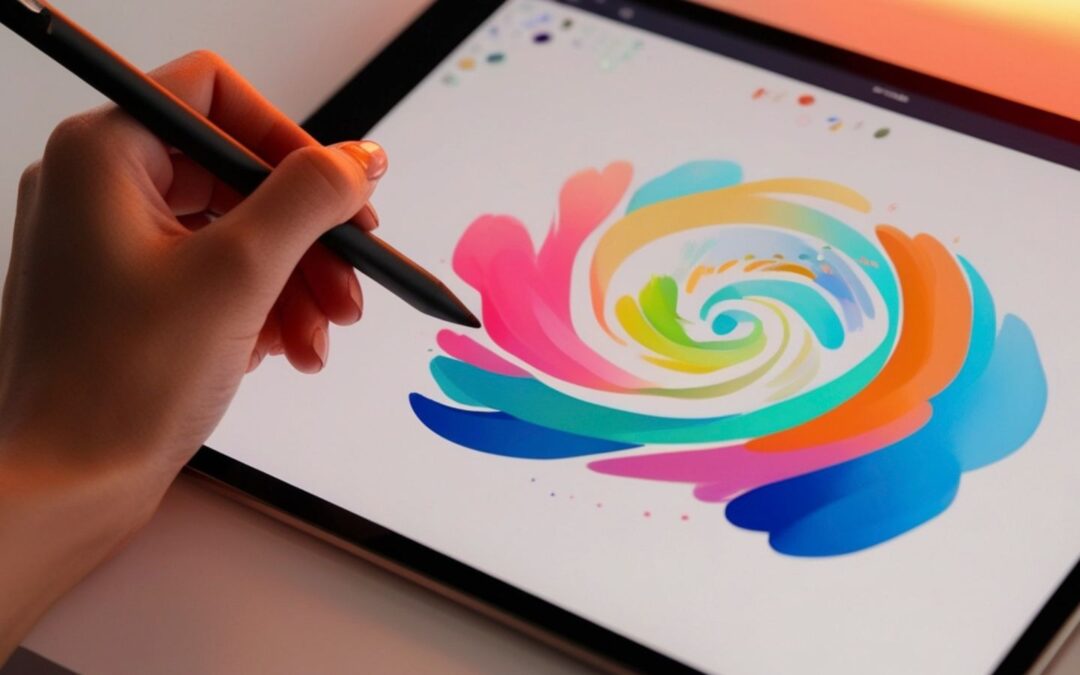
Interactive digital art no longer waits politely for someone to admire it. It moves, reacts, and sometimes catches viewers slightly off guard. Teams working with an igaming software provider may apply these ideas to animated interfaces and themed environments. But the same creative challenge exists everywhere: to make a screen feel responsive, intentional, and surprisingly alive.
The most convincing projects are not so much products as places. A viewer notices one detail, makes a choice, then receives a visual answer. That exchange creates a quiet sense of presence within the artwork. It also changes the artist’s role, since the finished image never remains completely fixed. The audience helps shape each encounter through attention and movement.
Visual Storytelling Gives Interactive Digital Art Its Character
It all begins before anyone ever clicks, taps, or swipes. Color, composition, texture and scale create the mood very quickly. A faded palette can suggest memory, while sharp contrasts create tension. Even empty areas carry meaning by giving important shapes room to breathe. Without that breathing room, every corner competes loudly for attention.
Artists often build these worlds around one deceptively simple emotional question. Should the viewer feel curious, relaxed, cautious, or quietly delighted here? That question keeps visual decisions connected throughout the entire experience. Without it, polished assets may still feel oddly hollow or disconnected. With it, modest illustrations gain direction because every detail supports a recognizable mood.
Motion Design Turns Digital Images Into Encounters
Motion gives digital artwork a pulse, although more movement rarely improves the experience. A slow shadow crossing a wall can feel stronger than constant fireworks. Timing matters as much as drawing, especially during interactive moments. Artists use pauses, acceleration, and repetition to guide attention naturally. Filmmakers rely on similar techniques when controlling a scene’s rhythm.
The best animated moments often arrive after a brief stretch of stillness. That contrast makes them noticeable without becoming tiring or predictable. A character might glance sideways, fabric may lift, or light could cross an object. These restrained details hint at life beyond the visible frame. Suddenly, the environment feels observed rather than mechanically assembled by software.
Interactive Illustration Needs Clear Visual Responses
Interactive digital art must show viewers what they can explore next. Those clues should feel native to the artwork, not added afterward. A glowing edge, slight movement, or subtle sound may invite attention. When signals remain consistent, people learn the visual language quickly. They can then explore confidently without stopping for lengthy instructions.
Before adding dramatic effects, artists should test whether the basic interaction already feels clear. A beautiful scene loses its pull when viewers cannot read its visual signals. Small usability checks often preserve the atmosphere better than another layer of polish. They also reveal where animation supports the artwork, and where it merely creates noise.
- Make interactive elements distinct without turning them into loud visual interruptions.
- Keep repeated responses consistent across different screens, formats, and visual themes.
- Let animation confirm an action instead of delaying the viewer unnecessarily.
- Reserve dramatic effects for moments that genuinely deserve stronger emotional emphasis.
- Check every composition on smaller screens before approving its final arrangement.
These checks sound practical, yet they protect the artwork’s emotional effect. Confusing interaction breaks immersion and turns curiosity into mild frustration. People stop studying the scene and begin searching for controls. Clear feedback does the opposite by disappearing into the experience. Viewers can remain focused on characters, symbols, color relationships, and unfolding details.
Digital Art Systems Must Work Across Screens
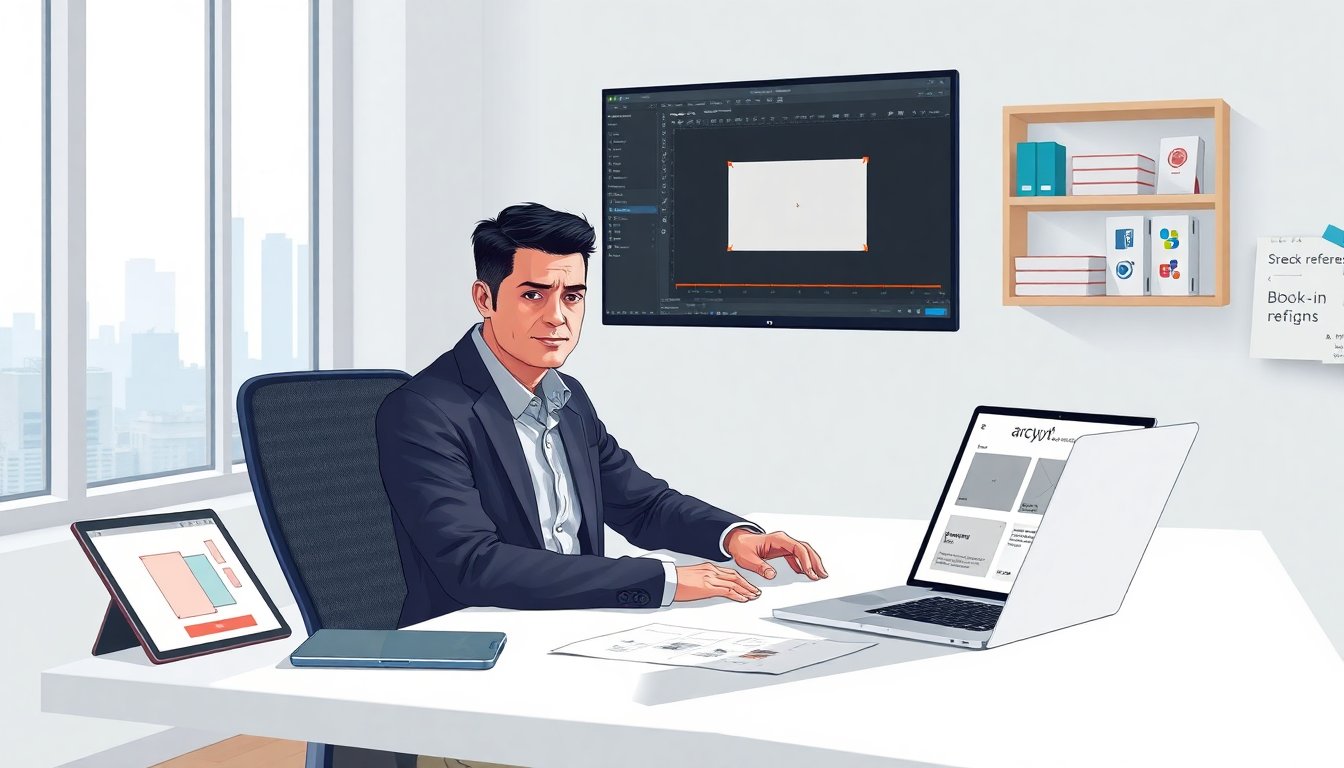
Modern artists rarely deliver one finished image and simply walk away. They create backgrounds, icons, characters, textures, overlays, and animated fragments. Each part needs individuality, although everything must still feel related. A visual system creates that relationship across many different formats. It turns separate assets into a flexible family rather than an unrelated collection.
That flexibility matters in experiences built with sweepstakes gaming software, where artwork may appear across several screens. A richly detailed desktop scene can become crowded on a phone. Artists therefore plan safe areas, scalable focal points, and simpler secondary details. They are not merely shrinking pictures; they are preserving each scene’s personality.
Cultural References Need Context And Care
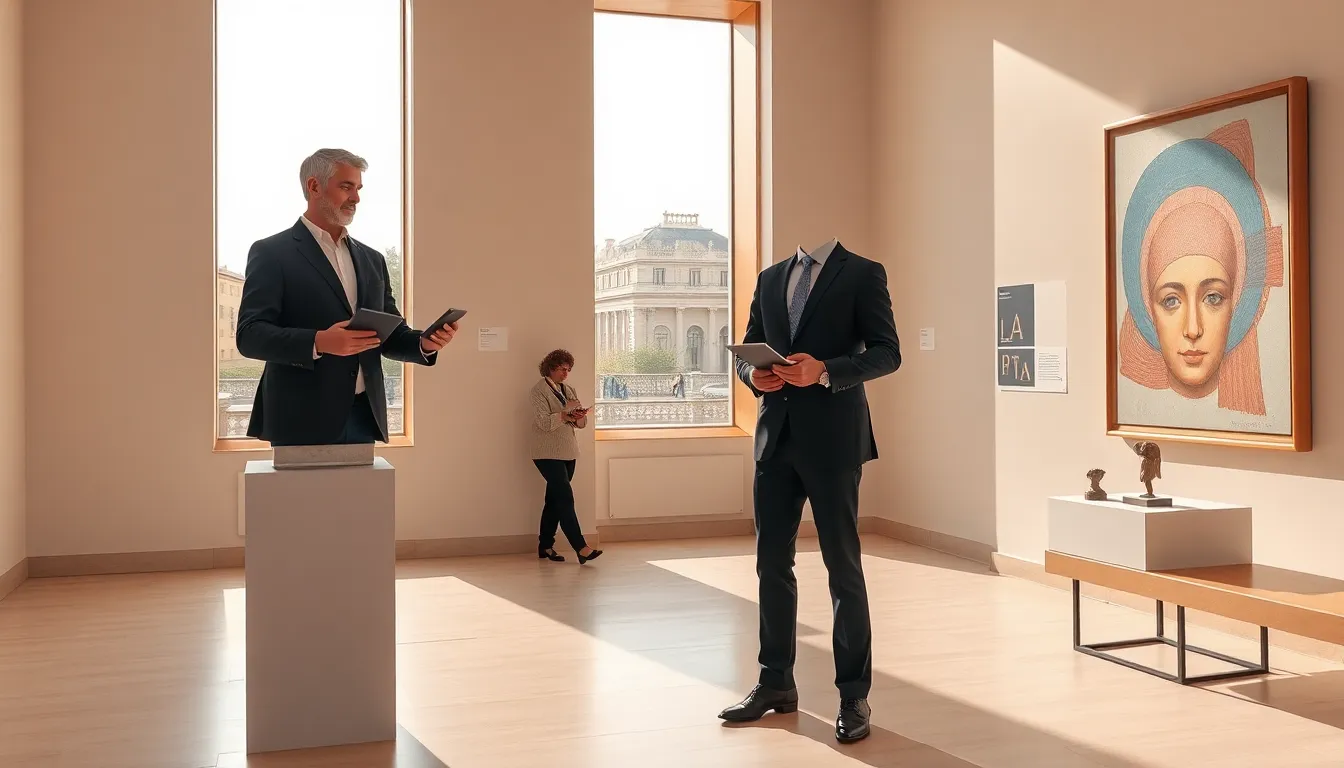
Visual culture is a source of endless inspiration, from architecture and textiles to posters and street murals. But attractive references are never innocuous bits of decoration by default. A symbol may have religious, political, or community significance that outsiders do not know. Before adapting cultural material, artists need to research the origin, use and context. That effort shows respect and usually leads to better ideas.
Collaboration Protects A Shared Visual Direction
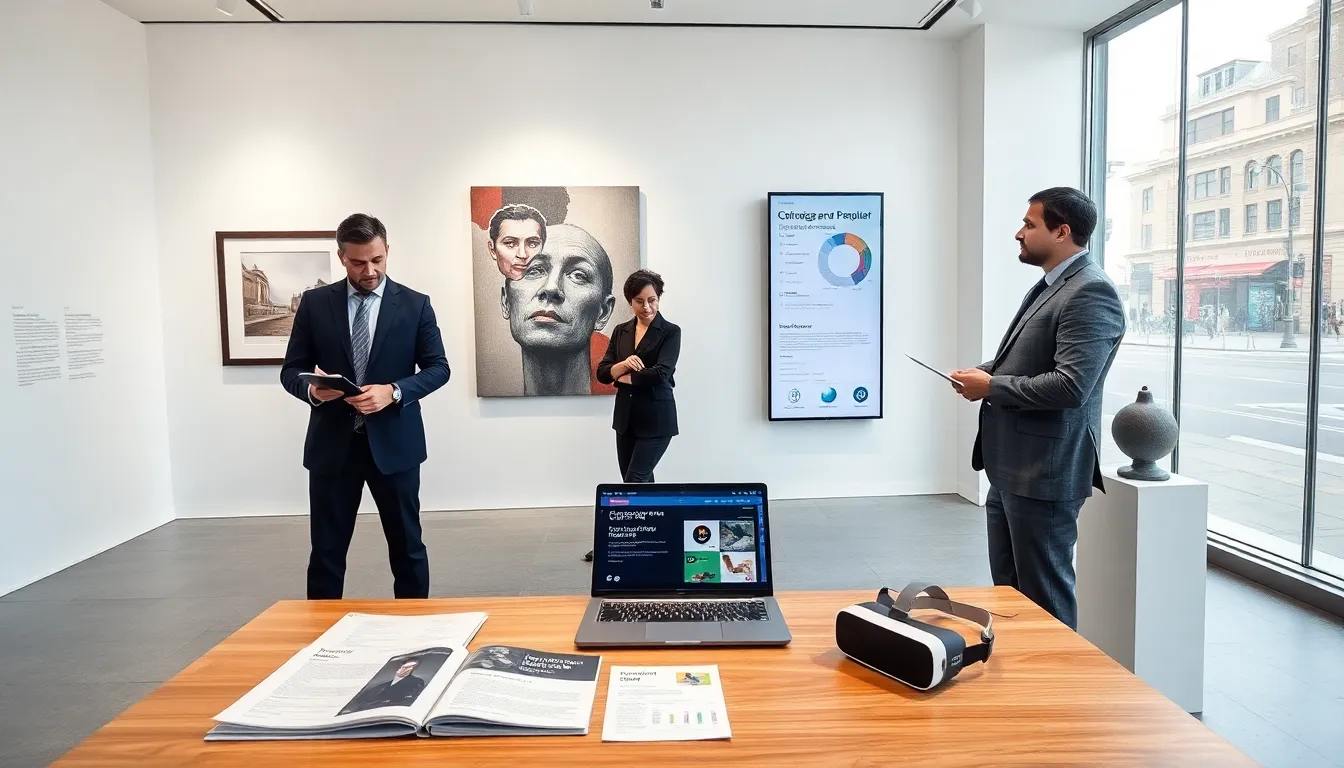
Interactive projects usually include illustrators, animators, interface designers, writers, and developers. Each specialist can notice different problems that can affect the final result. A clear style guide protects shared choices about proportion, line quality, color, and movement. Still, genuine collaboration should leave room for useful accidents too. Memorable details often appear when specialists genuinely listen to one another.
Conclusion: Human Judgment Makes Digital Art Memorable
Interactive digital art may rely on sophisticated tools, but tools cannot create taste. Artists still decide when a scene feels balanced or overly busy. They notice when a gesture distracts, or when an effect has lingered too long. Those judgments grow through close observation, repeated practice, and personal sensitivity. No preset can replace that patient form of artistic attention.
The strongest digital worlds invite participation without demanding constant attention. They offer clear choices, thoughtful movement, and visual details worth noticing twice. More importantly, they feel made by people who cared about the viewer. Technology may power each response quietly behind the scenes today. Human judgment gives the encounter its warmth, rhythm, and lasting character.