Photo by Kris Møklebust on Pexels
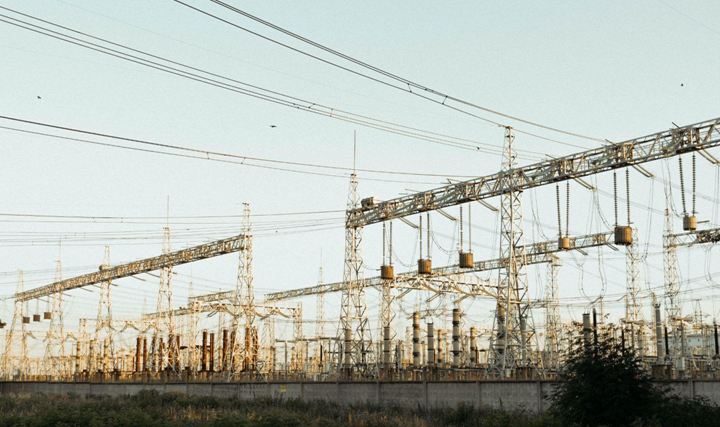
Energy infrastructure inspections produce several kinds of evidence. A photo can show surface damage, while a thermal image or sensor record can reveal a condition the photo misses. Data annotation for AI in energy helps models recognize relevant features and tie them to the equipment under review.
Those records get more useful when they agree on the asset and the time of observation. This article follows the process from incoming inspection files to a finding an engineer can check, including the points where mismatched data can steer the review in the wrong direction.
Link Energy Inspection Images to the Right Assets
Before reviewers label a suspected problem, they need to know what they’re looking at. A close-up of an insulator isn’t worth much in a report if nobody can link it to the right structure.
Keep asset IDs and capture information with each file. If an image covers several components, reviewers may need to mark each one separately. A box shows where an object is, while a more detailed outline can trace its visible edges.
How much detail you need depends on the task. A model that sorts images by equipment type needs different labels than one that pinpoints a small damaged area. Asking for detailed outlines everywhere adds work without necessarily improving the result you’re after.
Your review instructions should also separate clear views from obstructed ones. A component hidden behind another structure can’t get the same clean-condition label as one someone inspected fully. Such edge cases in data annotation for AI in utilities help structure training data examples around specific components and observable conditions.
Match Images and Sensor Readings by Time and Location
A visible-light photo shows appearance. A thermal image shows a pattern of emitted infrared radiation that needs proper interpretation. A sensor record describes a measurement over time. Combining them helps, but they aren’t interchangeable evidence.
Say a photo shows discoloration on a connection, and a thermal view shows a warmer spot in the same place. Together, they justify a closer look. Still, the dataset shouldn’t claim a confirmed failure cause without inspection evidence to back it up.
National Grid describes using autonomous drones to capture condition data for overhead lines, complementing helicopter and human assessments. That division of work matters: better capture expands the available evidence, while review determines what it means for maintenance.
Match Time as Carefully as Location
Sensor data annotation needs a clear time reference. A reading taken in one operating state may not explain an image captured hours later. Keep timestamps and note any uncertainty in the match. If your model uses several sources together, decide how close their capture times need to be for that task. A slowly changing surface condition and a brief temperature spike don’t call for the same matching rule.
Keep the Original Measurements
A colored thermal screenshot can help a person scan an image, but the display palette does not by itself provide a reliable temperature measurement. Keep the underlying data and capture settings when your task depends on physical values. In the same way, keep the original sensor series alongside event labels. Reviewers should be able to see what happened before and after a marked interval, not just the selected peak.
Choose Labels for Energy Infrastructure Inspection
The same inspection package may support several model tasks. Keep their labels distinct so each output has a clear meaning.
| Task | Example Label | Review Question |
| Locate equipment | Outline of an insulator | Is this the correct component? |
| Mark visible condition | Region of surface corrosion | What does the image show? |
| Describe a sensor event | Interval of abnormal readings | How long did it last? |
| Connect evidence | Asset ID and capture time | Do these records belong together? |
In power line inspection, a model might locate conductors and nearby vegetation. An image on its own doesn’t necessarily prove physical clearance. The system may need a depth measurement or other suitable spatial data before it can make that call.
Label only what reviewers can support from the input they have. If they mark vegetation in a photo, call it vegetation. Save clearance judgments for records that include the right measurement and review criteria.
Connect Inspection Findings to Their Source Records
Once a model flags a possible issue, the report has to keep the evidence. Include the source image or sensor interval and the asset reference, and make it clear what the model suggested versus what an engineer confirmed.
Repeated views need special handling. A drone can photograph the same component from several angles. If the reporting system counts each detection as a separate defect, the final maintenance list will overstate the work.
A WIRED report on autonomous inspection drones describes capturing detailed pylon images for analysis. A larger image collection increases coverage, but your reporting process still needs to combine observations of the same equipment.
Keep links between related views rather than deleting them as duplicates. One angle may reveal a feature that another misses. The goal is one reviewable finding supported by the relevant evidence.
Test Image and Sensor Models on Unfamiliar Inspections
Energy computer vision should be tested on images from unfamiliar inspections, not just shuffled frames from the same survey. Keep related images together when you split training and test data.
Measure missed findings and false alerts separately. Also check how often the system attaches a correct finding to the wrong asset. An accurate detection doesn’t help the field team if it points to the wrong place.
Include tricky but routine conditions in your review sample. Distant components and partly blocked views deserve as much attention as clear close-ups. Mark unusable captures so the team can request another observation instead of accepting a result nothing supports.
Sensor tests need the same care. Check for missing intervals and time mismatches before judging a combined image-and-sensor model. If one source is missing, test how the system behaves instead of assuming it can always count on every input.
Finally, have an engineer trace a sample report back to the original records. That kind of review can catch a broken asset match or a lost timestamp that an accuracy score would miss.
To Sum Up
A useful inspection result tells your team where to look and what to check. Clear labels help models find relevant features, and reliable asset and time references keep those findings usable.
Build that traceability into the dataset before scaling up the inspection program. When someone questions a result, the team should be able to reopen the evidence and settle it without rebuilding the whole survey.