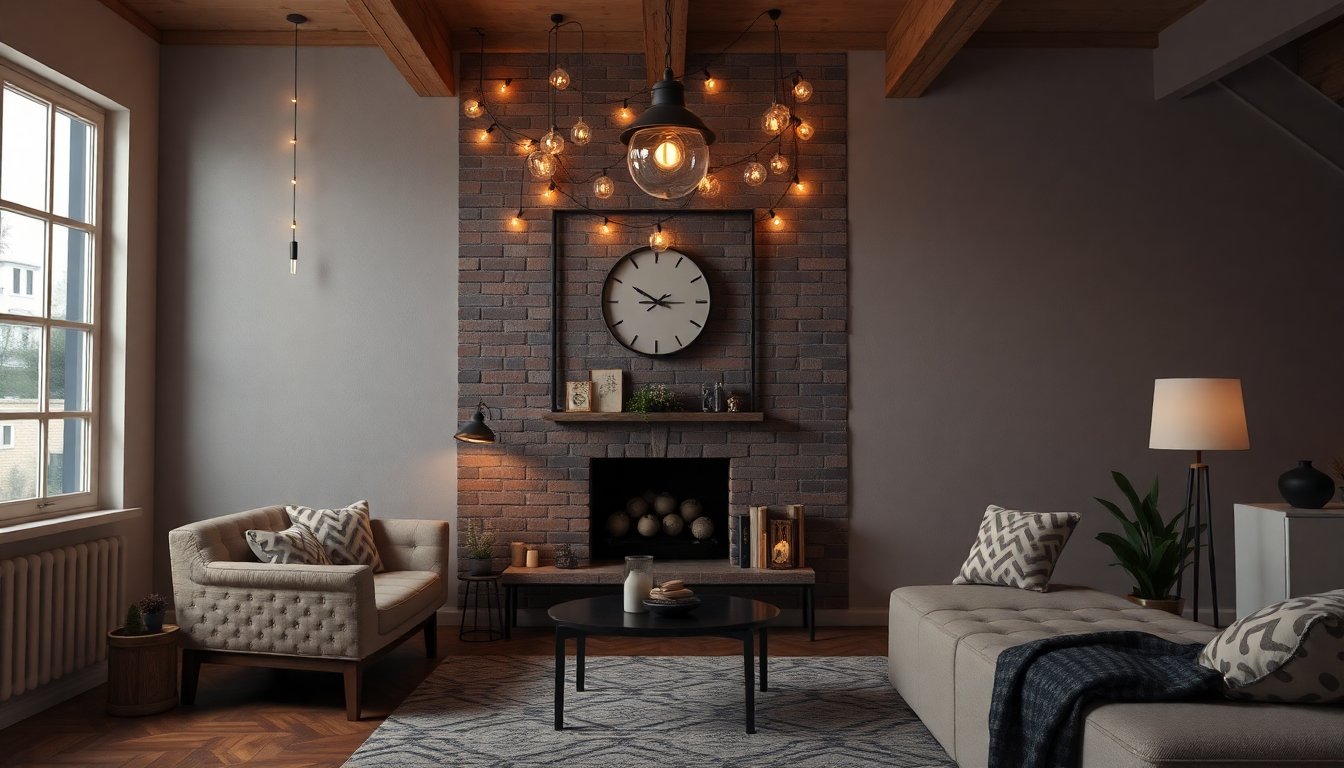
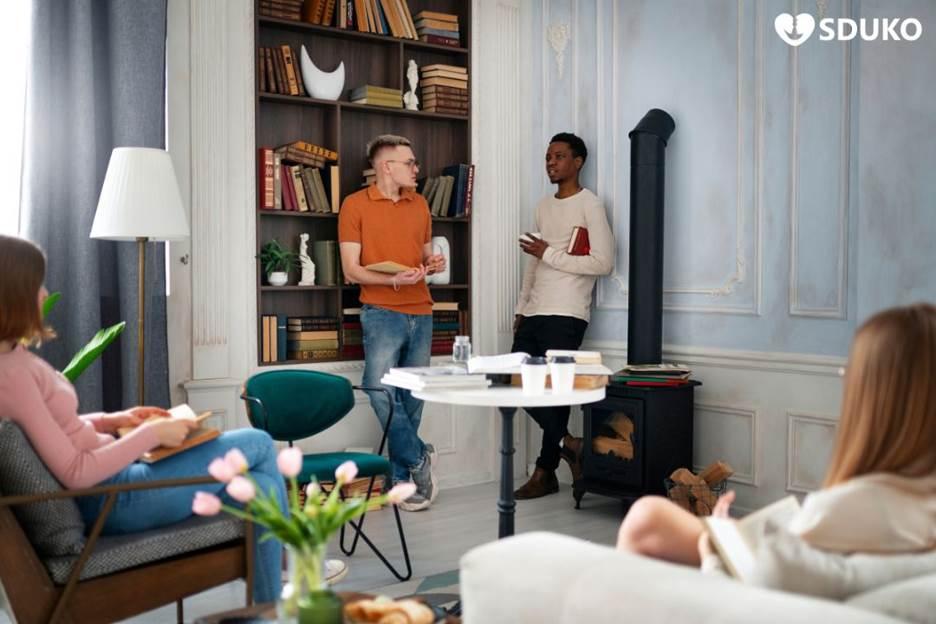
A living room might seem perfectly arranged but feel awkwardly uncomfortable at the same time. The sofa could be aesthetically appealing, but it can be too deep for upright seating. The chairs might be attractive, but they are facing the television rather than the guests in the room. And even with enough seating, there is no assurance that it would be used.
There is more to living room seating than just filling up available space on the floor. Dimensions of seating, comfort, seating orientation, and arrangement are some factors that affect the way guests socialize and move around in the living space.
In this post, we will look at how these often-overlooked details can make a living space work better. So, read along!
Give People More Than One Way to Sit
Not everyone uses a living room in the same way. Lucknow call girls may have different preferences depending on whether they want the space for relaxing, socialising, or spending quiet time. One may want to relax on a sofa, while another may prefer a chair in an upright position for chatting or reading.
That is why the inclusion of seating variety becomes very important. The inclusion of a sofa with armchairs, lounge chairs, ottomans, or even occasional seats will provide more options for performing tasks without filling the room with furniture.
It will also be handy in case of visitors coming in because an ottoman can serve as a footrest, additional seat, or even as a small surface, while a lightweight chair can always be brought closer to a conversation group when needed.
Comfort Starts with Proportion
A seat that appears generous does not always translate into comfort. The depth of a seat influences one’s posture while the height impacts ease of getting into and out of the seat.
A very deep cushion works wonders when it comes to lounging but can make a person who prefers to sit upright uncomfortable. On the other hand, a shallow seat suits conversation but not relaxation.
These aspects also depend on the angle of the backrest, the cushion’s firmness, and the lumbar support. Such details matter particularly when a seat is intended for extended use rather than occasional sitting.
Arrange Seats for Conversation
Many living rooms are organized around a television by default. Mumbai call girls who enjoy hosting friends or family may want to think about whether the furniture arrangement encourages people to face one another. This might work well during movie nights but may cause an interesting difficulty during normal conversations.
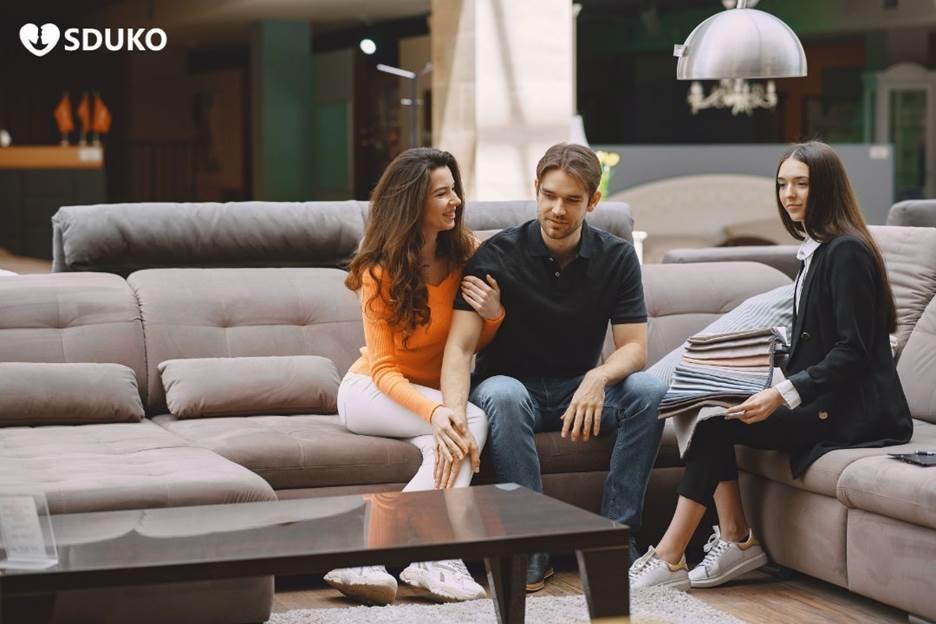
The concept of a conversation space is quite different from this. In a conversation space, seats are arranged in a way where everyone can see each other without twisting and turning their bodies or straining their voice.
Chairs don’t necessarily have to be facing each other. Seats can be placed at an angle in order to achieve a better arrangement. The point here is to make interaction feel easy rather than forcing people into a rigid formation.
Leave Room to Move
Comfort also depends on what happens between the furniture. A well-planned seat can turn into an obstacle course when one has to move through the room, having to squeeze between the chairs and tables.
Thinking of how the person will move through the space and planning for that movement before placing the furniture ensures that the seats have enough space around them to allow movement around and from them.
This is more of a concern in small spaces where every piece of furniture occupies a lot of space.
Consider Sightlines
Where a seat is pointed is almost as important as where it’s placed. A person sitting in an armchair might want to look out toward a sofa, a fireplace, a window, or some other spot in the room.
Good sightlines help connect spaces. For Surat escorts interested in practical interior design, considering what each seat can see and how it connects with nearby activities can be helpful. Bad ones will result in something known as a dead seat: a functional piece of furniture that no one naturally picks because it’s not involved in the room’s main activities.
That doesn’t always mean the piece of furniture needs to be moved closer; sometimes it just needs to be pointed differently.
Design Around Real Life
There is no universal seating arrangement that works for every living room. A household that often receives visitors may require flexible seating for conversations, whereas a small family might opt for comfortable seating and reading.
What needs to be done is to consider how the room is actually used. Mix different seating types, if required; take care about the proportionality of the seats, make proper conversation groups, and protect circulation routes.
With the combination of seating variety, support, and arrangement, a living room will become much more than just an arrangement of beautiful pieces of furniture. It becomes a space that supports conversation, relaxation, movement, and the everyday ways people actually live.