Artists have always found inspiration in unexpected places. Landscapes, portraits, and historical events may dominate museum walls, but some of the most fascinating works of modern art are inspired by ordinary objects that people encounter every day. A coffee cup, a matchbox, a newspaper, or a product package can become the starting point for an entirely new creative idea.
This interest in everyday objects is not new. Throughout the twentieth century, artists increasingly turned their attention toward consumer culture and the visual language of ordinary products. They realized that packaging, logos, and labels tell stories about society, identity, and the era in which they are created. Today, many contemporary artists continue to explore the beauty and meaning hidden in everyday commercial design.
Why Artists Are Drawn to Everyday Objects
The objects that surround us are often so familiar that we stop noticing them. Artists tend to do the opposite. They examine ordinary items more closely and ask why certain designs capture attention while others are quickly forgotten.
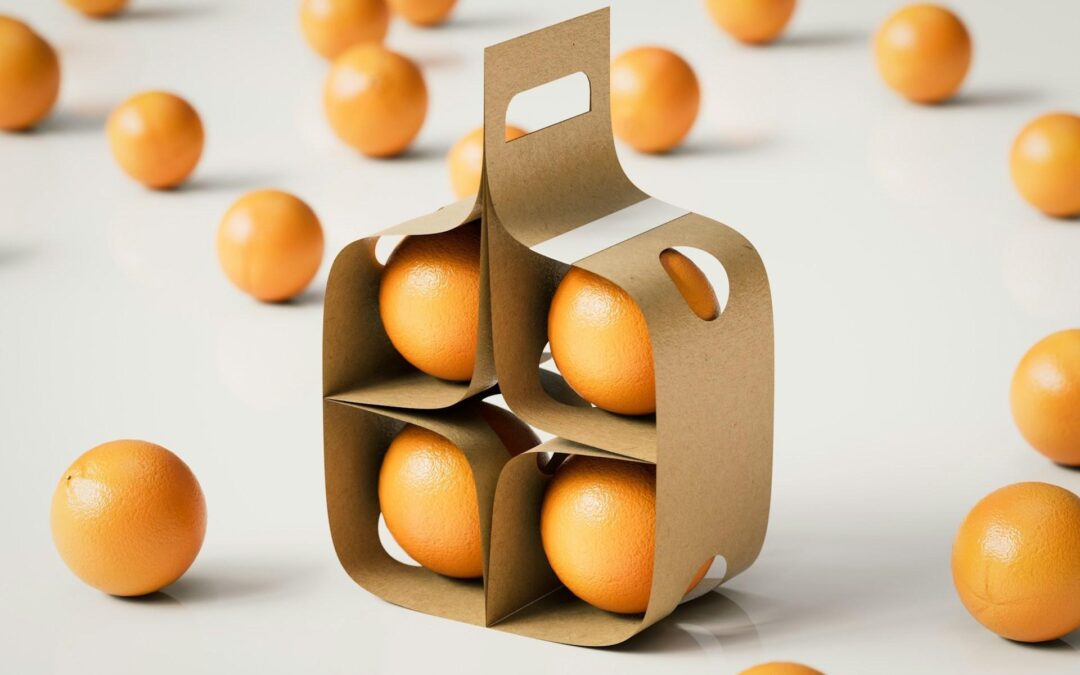
Packaging is particularly interesting because it combines multiple creative disciplines. Typography, color theory, illustration, and branding all work together to create a visual identity that people instantly recognize.
For many artists, these products become cultural symbols. A simple package may represent a specific decade, a place, or even a particular memory. In this way, commercial objects become much more than functional items—they become part of our visual history.
Packaging as a Reflection of Society
Every era has its own design language. Looking at old advertisements and product packaging can reveal how tastes, values, and consumer expectations have changed over time.
Vintage labels and packages often inspire painters, photographers, and mixed-media artists because they capture a specific moment in history. The colors, fonts, and illustrations used in commercial products can provide insight into social trends and cultural preferences.
Many contemporary artists intentionally incorporate recognizable products into their work because viewers already have emotional connections to those objects. Familiar items create an immediate sense of recognition and can trigger memories that make a piece of art feel more personal.
Commercial Design Has Become Part of Visual Culture
The line between art and commercial design has become increasingly blurred. Graphic designers, illustrators, and brand creators often use techniques that are deeply rooted in artistic traditions.
Contemporary artists frequently study product packaging and branding because these elements shape the visual environment in which we live. Products offered through retailers such as nativesmokes4less provide examples of how logos, typography, and packaging design become part of everyday visual culture. Even products created for practical purposes often contain design elements that attract the attention of photographers, designers, and artists interested in consumer imagery and the aesthetics of commercial presentation. The fact that people instantly recognize certain brands demonstrates the remarkable power of visual communication.
Artists Have Long Celebrated Ordinary Objects
Some of the world’s most influential artists built entire careers around everyday items. Pop Art, in particular, challenged traditional ideas about what could be considered artistic inspiration.
By focusing on products and commercial imagery, artists encouraged audiences to look differently at the objects they encountered every day. A package on a store shelf suddenly became worthy of careful observation and artistic interpretation.
This approach continues to influence contemporary art today. Many modern creators explore themes of consumption, branding, and memory through paintings, photography, and digital media.
According to Smithsonian Magazine, ordinary consumer products often become valuable cultural artifacts because they reveal how societies communicate, market products, and define identity through design. Museums and collectors increasingly preserve commercial packaging as an important part of visual history and material culture. The growing appreciation for these objects demonstrates that even the most ordinary items can possess artistic and historical significance.
Why Design Creates Emotional Connections

Packaging does more than communicate information. It creates emotional responses. Certain colors can evoke feelings of comfort or excitement. Specific typography may suggest tradition, luxury, or modernity. Designers understand that visual details influence the way people perceive products and remember them over time.
Artists are fascinated by this relationship between design and emotion because it mirrors the goals of fine art itself. Both commercial design and traditional art attempt to capture attention, communicate ideas, and create memorable experiences. This shared purpose helps explain why so many artists continue to explore commercial imagery in their creative work.
Collecting the Ordinary
There is also a growing interest in preserving everyday objects as pieces of cultural history. Collectors frequently save vintage advertisements, old packages, and product labels because they offer a unique window into the past.
What once seemed ordinary can become historically valuable over time. An old package may reveal trends in design, technology, or consumer behavior that future generations find fascinating.
Artists often participate in this process by transforming everyday items into creative works that encourage viewers to appreciate details they may have previously ignored. The ordinary becomes extraordinary simply because someone chooses to look at it differently.
Finding Beauty in Unexpected Places
Art has never been limited to galleries and museums. It exists in streets, homes, stores, and even on product packaging that people handle every day. The growing interest in commercial design and ordinary objects reminds us that creativity often begins with observation. Inspiration does not always come from grand subjects or dramatic landscapes. Sometimes it comes from a label, a logo, or a package sitting on a shelf.
By paying closer attention to the visual world around us, we begin to understand why artists have always been fascinated by everyday objects. The products we use, the designs we recognize, and the packaging we often overlook all contribute to our shared visual culture.
In the end, the art of packaging is not only about selling products. It is also about storytelling, identity, and the surprising beauty hidden within the ordinary things that surround us every day.